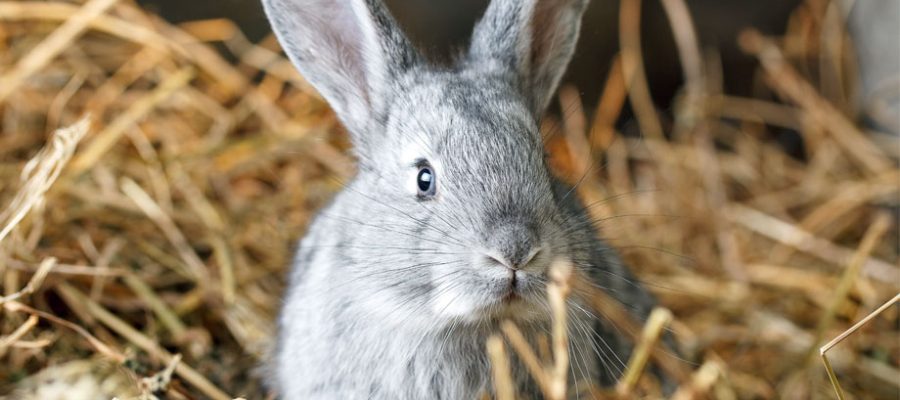
The principle is very simple, but it doesn’t work for all rabbits because they cannot be «trained» in the classic sense. All you can do is push them in the right direction and hope they accept the offer. It works best when the animals are still young and can therefore be used for rabbit toileting from an early age. However, you should not be disappointed if it doesn’t work and you should not react with pressure, harshness or punishment under any circumstances, as this can deeply upset sensitive furry friends!
Below we will explain the basic principle of the training and then give you some tips you can try if it doesn’t work as hoped.
How to accustom rabbits to rabbit litter?
Before starting training it is important to choose the right tools and place them in the right places. In general, all types of flat bowls or easy-to-clean boxes are suitable as rabbit toilets. These should be as large as possible and always offer your animals enough space to move and turn around (depending on the size of the rabbit, for example 50 x 50 cm or more). They should also have a flat entry or low edge so they can get in and out easily. In addition to toilets specially designed for rabbits that meet these requirements, you can also use cat litter boxes, which offer a little more freedom of movement, especially for larger furry friends. However, make sure the edge is low to allow for easy access. Since at the beginning of training you will need different pee options, depending on the size of the enclosure or your apartment, you can also use the bottom trays of discarded transport boxes, cages, etc. or use boxes from the hardware store. At first it’s simply a matter of offering as many baths as possible to increase the chances of success! The goal will then be to gradually reduce the number of toilets until there is one per rabbit left.
For starters, there should be such a toilet in every corner of the enclosure or room – and in places where your four-legged friends have previously preferred to do their business. In general, your wards should not stray anywhere in the enclosure or room from one of the toilets, at least at first when they are not yet used to it. The more options you offer, the more likely one of them will be used.
Leer mas Arthritis in dogs! What can I do?
The absorbent bedding in the rabbit toilet is covered with a layer of soft straw to increase the comfort factor.
Now fill the “pee boxes” with absorbent, odor-absorbing litter, such as wood pellets, and add a second layer of straw to provide some comfort. Now take a good portion of dirty, smelly litter from the pen and put it in the rabbit toilets. The smell should encourage your furry friends to visit this very place when they have to. Now it’s time to wait and watch. If your rabbits “go off the rails,” clean the puddle with a dish towel and place it in the toilet. The «smell principle» should apply here too: your rabbits should learn where to do their business or that the strange thing in the corner is the perfect place to pee!
Important: Cat litter is not suitable for rabbit toilets: instead choose rabbit-safe variants such as wood pellets.
My rabbits don’t use the bathroom: what should I do?
Getting rabbits used to the toilet can take a lot of time and patience, and sometimes it doesn’t work at all. Every rabbit is different and house training cannot be forced. Under no circumstances should rabbits be scolded or punished for not using the toilet, as they cannot understand the context and are deeply upset by such behavior.
Leer mas Fruits and vegetables for your dog
In case your charges don’t accept baths, below we have collected some tips and tricks that you can try.
Important: Always keep in mind that health reasons can also be a reason for “impurities”, for example a bladder infection, kidney failure or E. cuniculi. In these cases, pools of urine are usually found everywhere or in different places. This is obviously a case for the vet and should be clarified as quickly as possible. Furthermore, it is completely normal for unneutered rabbits to mark their territory, especially unneutered rams, females in heat and animals during puberty. However, this marking appears more in the form of urine splashes than puddles.
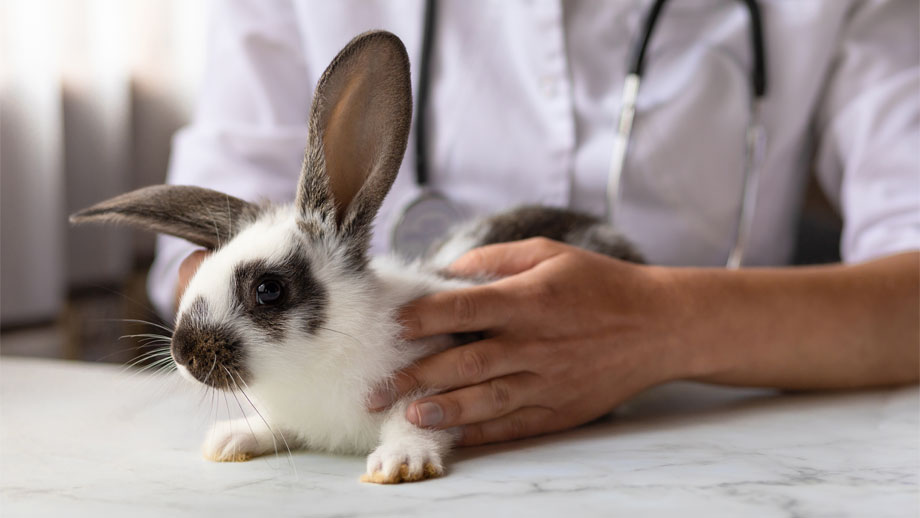
If you are unsure whether the cause of the «dirtiness» may be due to health reasons, you should consult a veterinarian and have your furry friend checked.
Have you ruled out health causes through the vet, but your furry friends still don’t accept the toilets offered? Then you can try the following:
Leer mas Profile of the nevus of Boraras | Reproduction and breeding
- Sand: Replace waste in toilets with sand. Although this does not bind the odor very well and therefore quickly becomes unpleasant, it can initially help to make the toilet more attractive for your animals. If you choose the sand variant, you can gradually add the pellets until the sand is completely replaced with an absorbent and odor-catching litter.
Sand does not bind odors very well and therefore stinks quickly, but it can initially help to accustom your four-legged friends to using the toilet, so gradually replace the sand with e.g. B. wood pellets and straw.
- forage: Placing a bowl of tasty food in the toilet or placing the hay rack on it may seem strange, but it can also be helpful, as many rabbits urinate where they eat.
- Increase the feel-good factor: If the rabbit toilet is large enough, you can promote the well-being of your four-legged friends, for example by integrating a shed or shelter so that they feel safe and protected.
- Temporary space reduction: A temporary support can be to «enclose» an area of about 4 square meters using grilled elements, in which there is no litter, but an easy to clean surface, such as: B. Tiles or PCV can be found and a spacious rabbit toilet can be placed in all corners. In the absence of other options, your furry friends will use these. Once this is done, you can gradually increase the space again and reduce the number of toilets.
- Change position: Rabbits are very particular about the correct position of the toilet corner. It may be helpful to change the location and see if the rabbit toilet is better accepted. As a rule, more remote places or corners are preferred.
- Enlarge: If the toilet is too small, your rabbits may not accept it. A larger variant could be promising here.
- Other litter: In general, it is helpful if rabbits can distinguish the toilet from the rest of the enclosure because it has different bedding than the rest of the area.
If these measures do not help, you should also consider environmental factors, because in addition to illnesses, malaise and stress in the broad sense can also be a reason for impurities, such as group fights, new arrivals and socializing, few places to retreat, frenzy and noise in the area and the like.
Conclusion
While toilet training rabbits can take time and patience, success can be achieved with most animals sooner or later if you do it right. The principle of house training is very simple: at the beginning, special containers are placed in all corners of the enclosure or room, from which the unused ones are then gradually removed. In the end, ideally, for each rabbit there is left a toilet that can be used reliably. To increase your chances of success, special care should be taken to ensure that the toilets offered are sufficiently large and offer protection, for example through a roof or shelter. An absorbent litter that reliably binds odors is also important. We hope that our tips will help you successfully complete the “Home Trained Rabbits” mission!
Leer mas Cooling in the heat for small animals
latest posts published

Belgian Malinois: characteristics of the dog breed

Norwegian Buhund: characteristics of the dog breed
Caring for the Chinese Water Dragon

The best brushes for cats
How to choose the best chew toys and treats for your dog
How to train your puppy to walk on a leash

Czech Terrier (Cesky Terrier): characteristics of the dog breed

Pembroke Welsh Corgi: characteristics of the dog breed

The best bags for carrying cats