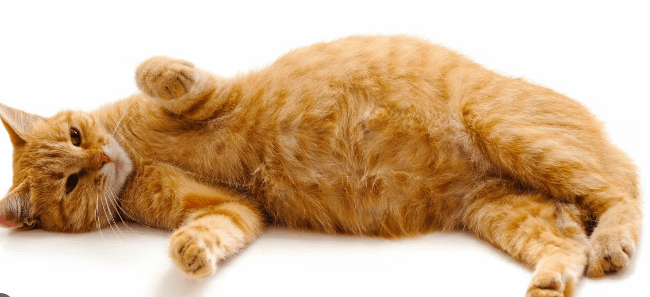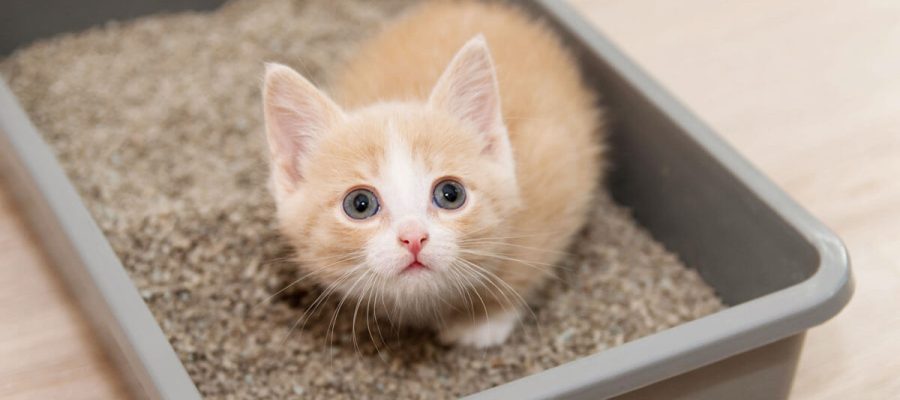
Let‘s start with the good news—cats are naturally neat creatures with a preference for using stationary toilets. Their instinct for cleanliness often works in your favor when it comes to house training. However, they can be quite particular about their bathroom setup, requiring what they perceive to be the «perfect» toilet. Meet these standards, and you’ve conquered the biggest hurdle, leaving little to stand in the way of your feline friend mastering indoor habits. To help you on this journey, we’ve put together a guide to walk you through the process of introducing litter box routines to cats of various ages. We’ll also cover important factors you need to consider and explore what might cause a previously well-trained cat to abandon their litter box. Let’s dive in and make this transition easier for both you and your furry companion.
Kitten
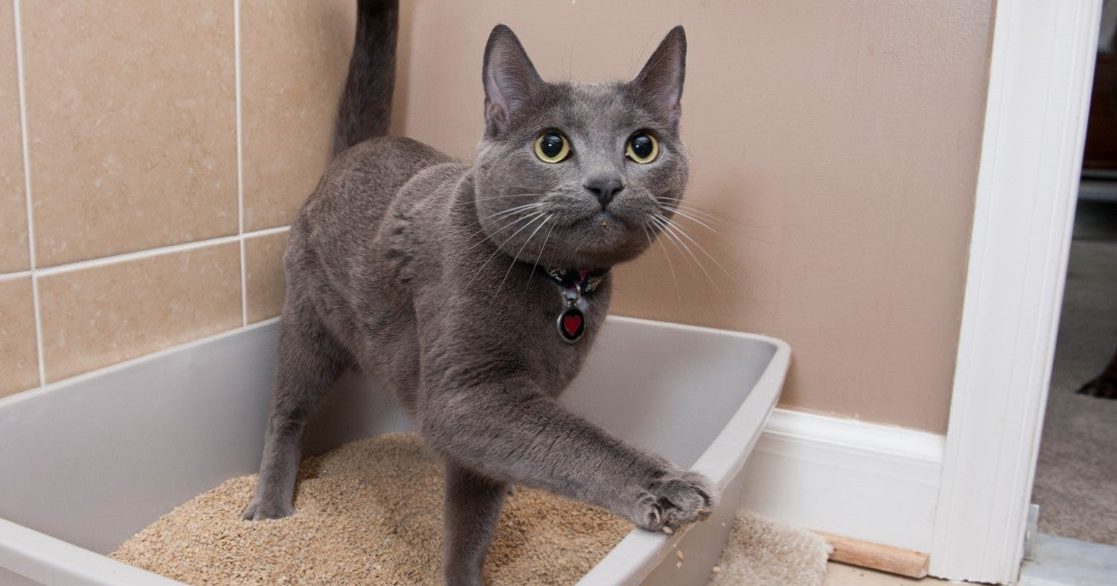
At what age does a kitten go to the toilet? At the age of 4-6 weeks, young animals begin to eat solid foods. Then the mother cat stops actively removing the kittens’ excrement. When the puppies grow up with their mother, she will show them how to use the litter box. Sometimes mother cats push or carry their kittens to the bathroom. Since young cats are usually very curious, they will imitate their mother and even learn to touch their droppings.
Important: For this reason it is always advantageous to leave the puppies with the mother until around the 12th week, as she carries out important educational work.
Leer mas 10 interesting facts about cats
The first days with the kitten
If you know when the little tiger will arrive, everything can be ready: water and food bowls, a scratching post or other scratching post accessories and litter. A rule of thumb is that there should always be one more toilet than cats. So one cat needs two toilets, two cats need three, etc. For little ones, the edge of the toilet should not be too high to allow them to enter easily.
If the kitten is already toilet trained, it is best to use a toilet and litter box that he is already familiar with. There are many different options here and cats are creatures of habit too.
It may also be helpful to add some “used” waste from the old house, as the familiar smell makes it easier to find the new toilet in the new house.
Important: For safety reasons, clumping litter should not be used on kittens if the kitten tries to eat the litter.
It is best to initially place the toilet near the feeding and sleeping area, as the kitten still has to learn to orient himself in the new home. However, it should be a place with as little disturbance as possible, as almost all cats prefer to go to a quiet place. If the newcomer was raised by his mother and was accustomed to the house, it is usually enough to show where the toilet is and put him inside. If this isn’t enough for you and you notice that your furry friend is looking for a place because he has to, put him in the toilet immediately and praise him when he has done his business there.
Leer mas Keep guinea pigs in fleece | How does guinea pig fleece work?
Since kittens are curious, scratching the cat litter can awaken their curiosity and make poop interesting.
If an accident happens because the path was too far or could not be found, you should not be scolded or punished because the kitten might get scared. You should under no circumstances push the little ones’ noses into their remains! So a thorough cleaning is needed first to remove the odor so that this area is no longer visited.
In general, the toilet must be cleaned regularly so that cats, who are known to be very clean, enjoy using it.
Adult cats
The first days with the adult cat used to being at home
The litter purchased must be appropriate for the size of the cat. The general rule is that the toilet should be 1.5 times larger than the cat. It should not be placed too close to the feeding or sleeping area, as clean animals do not like to relieve themselves there. As with kittens, it is easier for an adult cat if he already knows the type of toilet and litter box.
Leer mas Wet or dry food: which is better for cats?
After smelling and seeing the new home for the first time, you can put your fur nose on his new toilet. He knows a litter box from his previous home and will probably happily accept it.
If the new roommate is initially hosted in a single room, it will be easier for him to orient himself and find the toilet that has been set up more easily. Of course, it is essential to keep the litter box clean even for adult cats, as cats are very clean and don’t like going to dirty, smelly toilets.
The first days with the adult cat, not used to being at home
A cat that has been outdoors for a long time and has always done its business outside probably doesn’t know how to use the litter box or no longer knows how to use it.
Suggestion: In this case it is best to first use an uncapped litter box and use earth or sand instead of normal cat litter.
Since in nature cats prefer to bury their waste in soil or sand, filling them with these materials is closest to their usual habits. If the toilet is accepted in this way, you can gradually add cat litter.
Leer mas Keeping rabbits outside in winter – wintering tips
If possible, show your furry friend his toilet and have him sit on it. The same goes as soon as you notice that he is getting restless and looking for a place to relax. In these cases, it may take a little patience to acquire house training, but you should definitely remain calm and never punish the cat or become frantic, even if from time to time something goes wrong at first.
If suddenly the cat is no longer used to being indoors
As mentioned above, velvet paws are true creatures of habit. They may not accept, for example, a new toilet or another cat litter. In that case, the only option left is to go back to business as usual.
Unfortunately, if neither the litter nor the litter have been changed nor have any other changes been made to the environment, the kitten may become unclean due to illness. This may be the case with bladder infections, diarrheal diseases, kidney diseases, urinary stones, diabetes or even painful diseases of the musculoskeletal system. The only thing that helps here is a visit to the vet as quickly as possible!
Conclusion
While litter box training isn’t rocket science, there are a few things to consider. You should pay attention if a cat previously accustomed to staying indoors suddenly stops going to the toilet. At our adventure markets at Kölle Zoo you will find a large selection of different cat toilets, even for large cat breeds. Of course we also have different types of cat litter and will be happy to advise you on this.
latest posts published

Belgian Malinois: characteristics of the dog breed

Norwegian Buhund: characteristics of the dog breed
Caring for the Chinese Water Dragon

The best brushes for cats
How to choose the best chew toys and treats for your dog

How to train your puppy to walk on a leash

Czech Terrier (Cesky Terrier): characteristics of the dog breed

Pembroke Welsh Corgi: characteristics of the dog breed

The best bags for carrying cats