
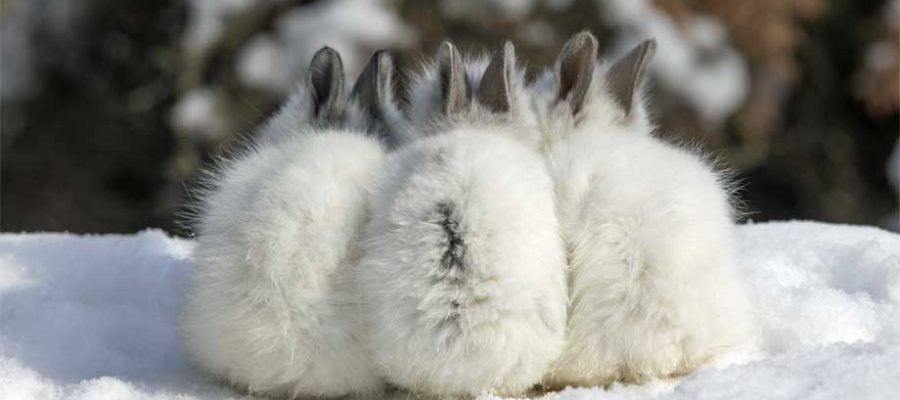
To maintain their health and well-being, rabbits require four essential elements: ample exercise, companionship, safety, and nutritious food. It makes no difference whether these fundamental needs are fulfilled indoors or outdoors. Healthy rabbits can even thrive outside during the winter months, as they handle cold weather far better than the intense summer heat. When housed in an outdoor enclosure, rabbits need a safe and secure hutch they can freely access, a spacious and engaging outdoor space, and the company of other rabbits to meet their needs. However, some adjustments are necessary in winter to ensure your long-eared friends stay safe and comfortable during the colder season.
Can all rabbits hibernate outdoors?
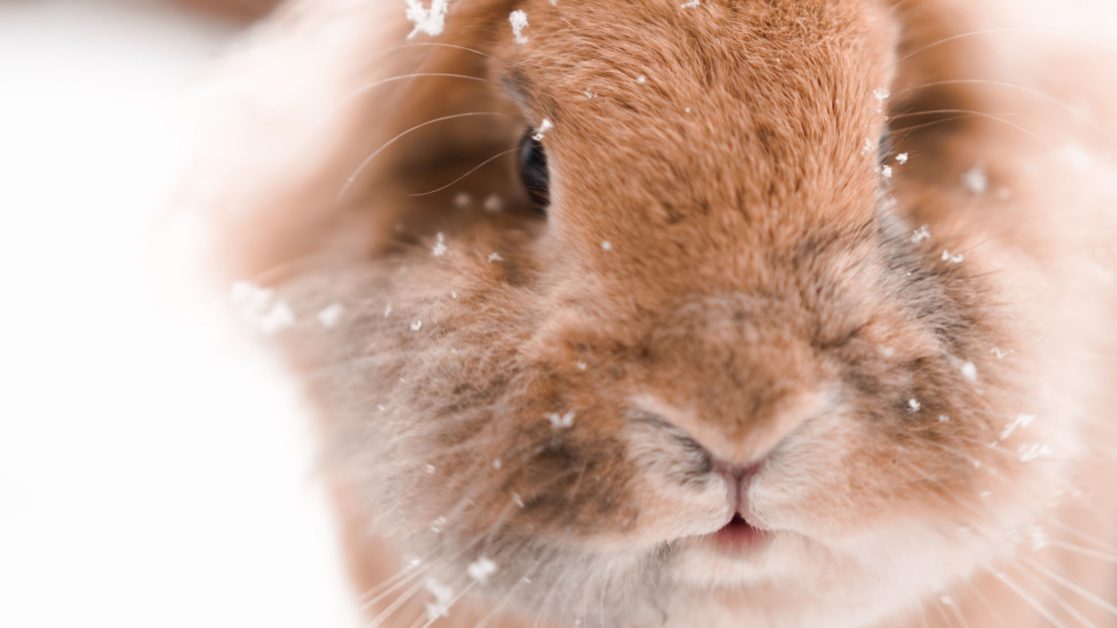
Rabbits that are kept outdoors year-round instinctively begin to accumulate winter fat in the fall to have reserves and a protective “fat layer” and develop a soft winter coat. So you are well prepared for winters in our latitudes. If your rabbit is healthy, fit and well-fed, he will survive the winter without any problems. However, if it is weakened, perhaps due to illness or aging, it should not be kept outside in winter. The same goes for pregnant animals. It goes without saying that rabbits should never be kept alone outdoors, but at least in pairs. They feel even more comfortable in larger groups.
Some rabbit breeds tolerate the cold a little worse than others. These include long-haired breeds such as Lionhead and Rex rabbits. The structure of their fur makes them less able to retain heat. They also don’t have a thick covering of fur to withstand rain and snow. These rabbits therefore absolutely need a covered enclosure for the winter, which, if possible, also protects them from moisture on the sides. The free enclosure does not necessarily have to be covered: these breeds can naturally run at will even in the snow, but they must be able to retreat to the covered enclosure at any time. You should also make sure their fur isn’t so long that it touches the ground.
Leer mas Dachshund profile | Character and essence
What should I consider when keeping rabbits outside in winter?
Slow habituation
Rabbits that stay outdoors all year round develop a winter coat when it gets colder that protects them during the cold season. So there is no need to get used to it in any way. The situation is different for rabbits that have previously lived in a heated room. Simply putting them outside in the winter would mean their death, depending on the temperature. Therefore in summer it is necessary to consider whether the animals should spend the winter inside or outside. If you decide to keep them outside, your rabbits should move to the outdoor enclosure in the summer so that they have enough time to gradually get used to the colder temperatures.
Important: Never leave your rabbits outside overnight in cold temperatures. This can be fatal for them as they have nothing to fight the cold. Getting used to it slowly is very important!
Protected case
In the wild, rabbits retreat to underground burrows when it gets cold. To survive the winter well, your four-legged friends need an enclosure that is as protected as possible. It should consist of two parts: a frost-free shelter, such as a small stable, and an area where they can move freely. Depending on the size of the stable, several additional houses can be set up or the stable itself serves as a place to sleep and retreat. Here the rabbits can cuddle and keep each other warm. The stable also reaches a comfortable temperature thanks to body heat.
The hutch should be large enough for sleeping, eating and moving around a bit, but small enough to retain body heat well. It must be dry and protected from rain, snow and drafts. However, there must be sufficient air circulation. Make sure your animals always have enough straw and hay to keep them comfortable. A thick layer of absorbent bedding also keeps you warm from below. You should check the litter daily to ensure it has not become wet and replace contaminated or damp litter with new material. It makes sense to monitor the temperature in the shelter with a thermometer. It shouldn’t go below 0 degrees. On very cold nights, a heating pad or heat lamp placed underneath may be helpful. However, make sure that, depending on the method chosen, there is no risk of fire and that the rabbits can decide for themselves whether they want to use the heat source or not.
Leer mas What needs do fish have? | The fascinating inner life of fish
Additionally, your rabbits need a protected area of at least 6 square meters for two to five animals. For example, you can tape large sheets of plywood or tarps to the sides to protect from moisture and wind. Animals should have access to this area at all times to warm up through exercise and activity. It must be designed so that animals cannot escape. On the contrary, cats, foxes, martens, etc. they should not enter under any circumstances. There are also “ready-made” hutches with a small integrated free run. Try to make this area as varied as possible to give your pets something to do. Clay pipes, a digging box, branches, tree trunks, stones, small bushes, etc. are recommended. The soil should be as dry as possible. For example, beech chips, gravel and straw can be used as a substrate
Important: Animals should never be locked in the stable, otherwise it looks like a freezer. You should always have access to an outdoor space to warm up through exercise and stimulate circulation.
Free wheel
Especially in winter, rabbits need enough space to move around according to their needs, warm up and reactivate their circulation. In addition to the protected enclosure, you should also regularly offer them the opportunity to let off steam in the fenced garden or a corresponding outdoor area. Physical activity warms you up and keeps you fit and healthy!
Important: Although in winter it is sometimes difficult to leave the cozy and warm house to go into the freezing cold: don’t forget your rabbits! They need to run freely in wind and weather, otherwise they will wither in their outdoor enclosure. Proper exercise is very important for your health.
Leer mas Profile of the Jack Russell Terrier | Origin and history
Food and water
Adjusting nutrition is especially important in winter to keep rabbits fit during the cold season. Rabbits instinctively begin to eat small pockets of fat in the fall to protect themselves in the winter. Support them with lots of fresh food, different seeds (fats) or delicious corn on the cob. In winter, your rabbits should receive food that is especially high in energy and fat. Spice up their rations of dry food, hay and fresh food, for example with sunflower seeds, root vegetables and fatty seeds. Fresh food should be given in smaller quantities but more often to prevent it from freezing.
The water supply can be a problem in winter as it naturally freezes above a certain temperature. In no case should you choose nipple drinkers. Here rabbits can seriously injure themselves if their tongue sticks to the water trough. There are several ways to prevent the water in the bowls from freezing: you can change the bowls regularly or, for example, place them on a stone slab previously heated in the oven. To achieve slower freezing, you can choose a larger bowl and place tennis balls or pieces of wood in it. The movements cause the water to freeze more slowly. Another option are heated bowls with anti-gnawing steel lining, available for example for dogs, or electronic water heaters for chickens. If you provide your rabbits with a heat source such as a lamp or heater, you can place bowls near them to prevent them from freezing. In any case, you should check every day that your rabbits have something to drink.
Daily health check
When it’s cold and uncomfortable outside, it may take some effort, but it’s very important to check on your rabbits several times a day to notice if any of them are feeling unwell. If one of your pets gets sick in the winter, it’s important not to simply move them indoors. The large temperature difference is far from beneficial and can lead to a sharp worsening of the condition. Instead, your rabbit should be able to recover in a cool, dry, draft-free room.
Important: In the event that a rabbit becomes ill and is forced to leave the outdoor enclosure, at least one animal in the group should move with him so that he is not alone. The only exceptions are highly contagious diseases. It is best to consult your vet about this. If there is enough space, it also makes sense to move the entire group, otherwise it can be difficult to get together. Rabbits also feel more comfortable when they have their usual friends with them.
Leer mas Profile of the Sinai spiny mouse
Conclusion
Keeping rabbits outdoors is not a problem for fit and healthy animals. They love running in the snow and tolerate the cold much better than the heat in summer. To safely get through the cold season they need their animal companions, a frost-free shelter, high-quality food and lots of exercise to keep warm and stimulate circulation. Start preparing your outdoor fence for winter early enough. And then it’s time to have fun watching the little furry friends play in the snow and enjoy life
latest posts published

Belgian Malinois: characteristics of the dog breed

Norwegian Buhund: characteristics of the dog breed

Caring for the Chinese Water Dragon

The best brushes for cats

How to choose the best chew toys and treats for your dog

How to train your puppy to walk on a leash

Czech Terrier (Cesky Terrier): characteristics of the dog breed

Pembroke Welsh Corgi: characteristics of the dog breed

The best bags for carrying cats
