The German poet Johann Jakob Mohr once expressed an insightful thought: The essence of a bird lies in its ability to fly, not just in its wings. A simple glance out the window is enough to see the truth in this. Flight is the very core of a bird’s being, integral to its design and purpose. Every aspect of its body is built for soaring through the skies, embodying freedom in its purest form. Yet, when we bring birds into our homes, we inadvertently limit this innate expression of freedom. We keep them not only to admire their beauty but also for the joy they bring with their personalities and charm. However, this creates a responsibility—a duty to ensure they lead lives that are as natural and fulfilling as possible. For a bird, flight is not merely optional; it is essential. Free flight should be a fundamental aspect of care when raising or housing birds, offering them the chance to do what they were inherently born to do: spread their wings and take to the skies.
Why is free flight important for birds?
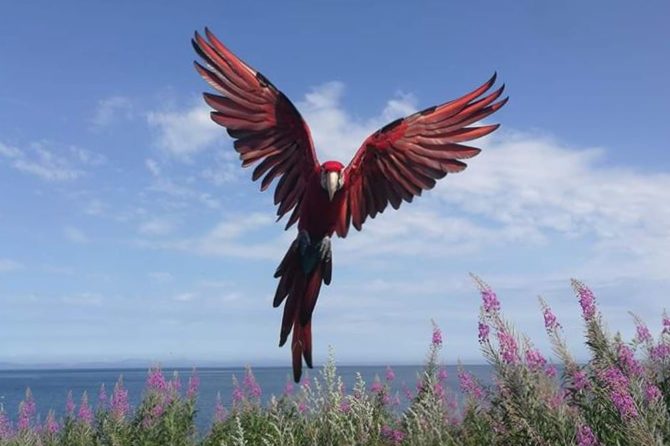
The entire body of the bird, with its unique «(light) construction», is designed to make the skies unsafe: Depending on the species, the physique is designed in such a way that birds can cover enormous distances by flying or master short distances at enormous speed.
By flying, birds train their (flight) muscles, stimulate circulation and metabolism, ventilate the alveoli and lungs and support organ function. This is the physical component. Birds that do not have the ability to fly will sooner or later develop diseases due to lack of exercise and species-specific movement limitations, such as muscle atrophy, respiratory problems, obesity or metabolic disorders. The other component is mental health: animals also need to be able to get enough exercise to be mentally healthy and feel good. One thing is absolutely certain: a bird kept permanently in a cage cannot be happy, content and healthy. And let’s be honest: is there anything more beautiful for bird owners than watching birds resting on the curtain rod, chirping happily, after having together made «their» room unsafe?
Leer mas Goat parakeet profile | Original distribution and lifestyle
There are various options for implementing free flight:
Keep it in a bird room
When it comes to raising birds, breeding recommendations clearly point in the direction of “bird rooms”. The animals are provided with their own space where they can move freely all day. For sleeping, eating and resting, they should have a “sleeping cage” that they can retreat to at any time. Of course, you can also use the “bird room” yourself, for example as a study. This means you have close contact with your animals, which strengthens bonding and trust. Another benefit of a bird room is that your birds can enjoy free flight regardless of your schedule. This way you can give them a little autonomy and self-determination, something that animals also appreciate. This also means less stress and guilt for you if you are out and about and don’t have time to «monitor» your birds’ free flight. The prerequisite is obviously that the room is completely «bird-proof», so that the animals do not run the risk of getting hurt even in your absence. In the first few weeks after the move, you should supervise your birds when they are flying freely. They don’t yet have confidence in their escape and it may happen that they need your help. They will then be able to fly independently.
Free flight aviary
If a bird room is not feasible, a free-flight aviary is also an option. The aviary should at least be large enough to allow the animals to fly short distances. Daily free flight in the room is essential when keeping aviaries or cages. The following applies: as long as possible or at least a few hours a day, depending on the bird species. Here too, it is obviously important to ensure that the birds cannot injure themselves during free flight.
First free flight: tips and tricks
How long to wait?
As a new bird owner, you’re probably looking forward to seeing your new housemates try flying for the first time. However, it is best to wait about a week after the arrival of a new pair or group before opening the cage door for the first time and allowing the birds to enjoy some freedom. Your birds should first have the opportunity to see everything from their safe aviary. This way they will get used to you and other family members, to the daily rhythm, noises and smells. After about a week the time has come: the first free flight is arriving!
The situation is different if you add one or more roommates to your existing group. If your birds are already used to free flight, the newcomer will be able to participate easily. He will observe his fellow dogs closely and imitate them. If he doesn’t dare to get out of the cage on the first try, he will definitely dare to do it the second time.
Leer mas Cockatiel profile | cockatiels (Nymphicus hollandicus) | from Australia
Preparation and procedure
After the adjustment period, it’s nice to finally let the birds fly free! It’s best to choose a day when you are completely at home and have no deadlines or time pressure. Because the first free flight can sometimes be really exciting and nerve-wracking. But don’t worry: it will work better each time until it becomes routine.
Before you open the cage door and allow your birds to taste some freedom, you should make the free-flight room completely bird-proof. In this blog article we have summarized everything for you. The most important thing in short: your birds must be able to move freely without the risk of harm. For this purpose it is necessary to adequately protect all sources of danger, in particular windows and mirrors, spaces between furniture and walls, sockets, electrical cables and poisonous plants.
Then you can get started! Open the cage door, retreat and wait. In any case, your birds must decide for themselves whether and when to leave their safe haven. Don’t force him to do this by scaring him or taking him out of the cage. If they don’t trust you right away, leave the door open and wait. Sooner or later they won’t be able to resist. To help them you can hang a treat or a mile on the open door to show them the way.
No master has yet fallen from the sky
The time has come: your little birds emerge uncertainly from the open door. Maybe they first awkwardly climb to the top of the cage to take a closer look. Or they fly away at full speed and crash into the wall! Don’t panic, it usually looks worse than it is and it is completely normal for your birds to have coordination difficulties at first. Crash landings and frantic flying along the ceiling are typical of first flight attempts. Your feathered friends have to learn to move in an enclosed space because they can’t just fly straight for a while to get their bearings. A small space requires considerable flying skills, which your pets must first develop. It is useful if you have already installed suitable landing options for them. A bird tree that you can buy or build yourself is great. Hooks on the ceiling and walls are also suitable, where you can attach, for example, a swing for landing. Your darling might first fly onto the curtain rod or cupboard and sit there stoically for hours. Leave him! He must orient himself and watch everything from there safely. At some point he will have the courage to attempt the next flight. He will gain more security and confidence every time and in the end he will run around his room like a little world champion.
Leer mas Keep rabbits on the balcony
Back in the cage? Not with me!
During the first free flight it is often particularly difficult to return the birds to the cage. Have you tasted freedom and now you should return to your world surrounded by bars? “Not with me,” you can hear the birds chirping if you listen carefully. When it starts to get dark and you’re sweating after a tiring day and just want your birds to go back to the aviary, you’ll probably be subjected to another serious test of patience. In the first days of free flight you should not feed your birds outdoors. Hunger will eventually drive them back into the cage on their own. To show him the way, you can hang millet or another favorite treat at the entrance to the cage. Approach aids in the form of small boards or rods on the outside of the cage are also useful. Otherwise wait and see! If your bird is already a little tame, you can try “stick taxi”. Hold a stick in front of your bird’s legs so he can grip it comfortably with his feet. Then carefully carry him into the cage and let him in. For very docile animals it is obviously possible to do it with a finger.
Be sure to avoid hunting and/or attempting to capture your animal. This would destroy confidence and free flight and link you to unpleasant experiences. If your bird refuses to go back into the cage, it will have to spend the night outside willy-nilly. Be sure to leave a light on for orientation. When you wake up the next morning, he will probably be sleeping peacefully in his cage. From now on every free flight will work better. Your birds will learn to return to the cage on their own in the evening at the same time. Here the routine makes a lot of sense: opening the door at the same time every day and closing it at the same time. This way your birds learn the “rhythm of free flight”.
Important: Don’t be discouraged by failures such as crash landings or your birds’ refusal to return to the cage. This is completely normal during the first attempts at free flight. Things will get better every time and soon free flying will be a daily routine for you and your pets!
How much free flight do birds need?
The best way to answer this question is: as much as possible! As previously written, free flight is equally important and essential to the physical health and well-being of your birds. Therefore, you should allow them to fly freely as often and for as long as possible. Of course, the ideal is a bird room where the birds can decide for themselves when to go for a ride. But not everyone can implement it. If you keep your birds in an aviary, you should give them the opportunity to fly for a few hours each day. The best times to do this are in the morning and late afternoon, as most birds are particularly active at these times of the day. Many birds like to take a siesta at lunchtime. With this in mind: open the cage door for your birds whenever you can! They will thank you with happy chirping, balance, contentment and good health!
Leer mas Inflammation of the goiter in birds
Conclusion
Free flight is an important and essential part of bird breeding. Birds need to fly to stay fit, agile and comfortable. Free flight can be very nerve-wracking at first because your birds must first learn to move safely around the room. But practice is the best teacher and your pets will gain a little more confidence and security every day until they can finally master and enjoy indoor free flight with great skill. When in the evening, after an exciting day with lots of movement, they put their heads in their feathers, you can be sure that you did everything right!
latest posts published

Belgian Malinois: characteristics of the dog breed

Norwegian Buhund: characteristics of the dog breed
Caring for the Chinese Water Dragon

The best brushes for cats
How to choose the best chew toys and treats for your dog
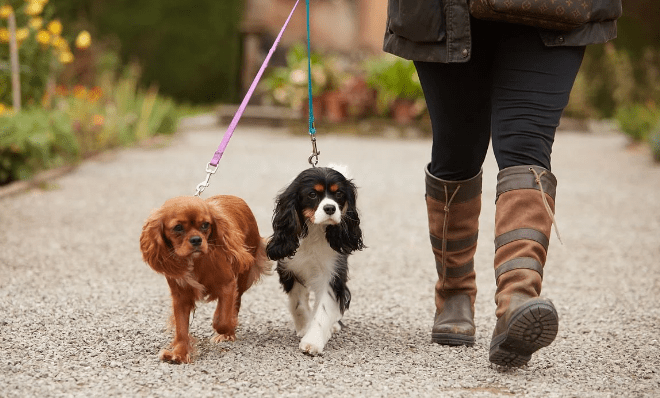
How to train your puppy to walk on a leash

Czech Terrier (Cesky Terrier): characteristics of the dog breed

Pembroke Welsh Corgi: characteristics of the dog breed

The best bags for carrying cats