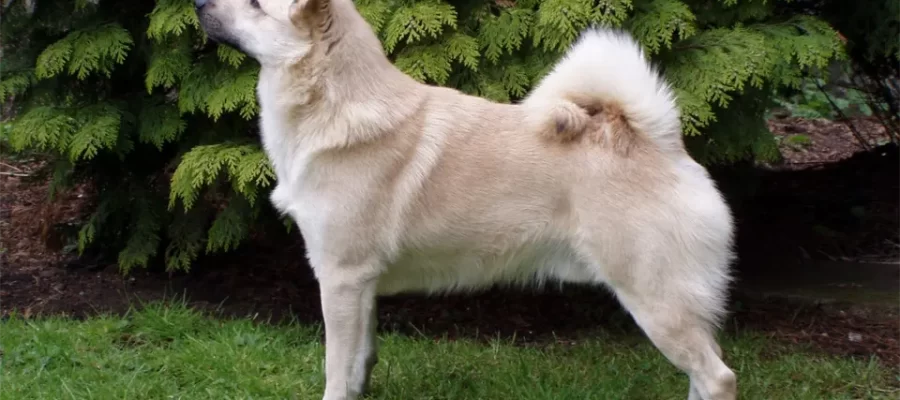
Characteristics, history, care tips and helpful details on the Norwegian Buhund breed
The Norwegian Buhund is a strong, medium-sized Nordic Spitz breed originally from Scandinavia. «Spitz» breeds, also known as Nordic breeds, are a kind of dog found in colder and snowy areas.
Similar to most Spitz breeds, Norwegian Buhund dogs have thick double fur, pointed heads, upright triangular ears, and long tails that curl over their backs. They come in two colors: wheat (various shades of brown) and black.
Norwegian Buhund dogs are kind, happy, and very loving. The breed is caring and loyal to the family, polite when interacting with kids and other pets if they grow up together. Fans of the breed say it is entertaining and full of personality.
Leer mas The best brushes for cats
Norwegian Buhunds often «sound the alarm» by barking if they notice something unusual in the distance, which makes them good watchdogs, even if neighbors may not agree.
Overview of the Norwegian Buhund breed
GROUP: Working
HEIGHT: 41 – 47 cm
WEIGHT: 12 – 18 kg
Leer mas How to train your puppy to walk on a leash
FUR AND COLORS: A thick, hard, smooth outer layer with a soft, dense substrate. The fur is longest on the neck, chest and back of the thighs. Fur colors are shades of wheaten (ranging from light cream to bright orange) or black.
LIFE EXPECTANCY 12 – 15 years
Characteristics of the Norwegian Buhund
| Level of affection | Mare |
| Friendliness | Mare |
| Friendship with children | Mare |
| Friendship with other animals | Mare |
| The need for physical exercise | Mare |
| Desire to play | Mare |
| Energy level | Mare |
| Training | Mare |
| Intelligence | Mare |
| Tendency to bark | Mare |
| mute | environment |
History of the Norwegian Buhund
The Norwegian Buhund is an ancient breed that has existed since Viking times, and it is possible that these dogs were cared for by the Vikings themselves. According to the Norwegian Buhund Club of America, during the excavations for the discovery of the Viking ship Gokstad in Norway, skeletons of six dogs were found that resemble modern Norwegian Buhunds.
Norwegian Buhunds were used as versatile farm dogs for herding sheep and cattle and for guarding families, flocks and homes. In fact, the name «Buhund» translates to «farm dog» in Norwegian. Although the ancestors of the Norwegian Buhund dog have existed for many centuries, the breed as it appears today was first cultivated in the western part of Norway.
Leer mas How to choose the best chew toys and treats for your dog
The first Norwegian Buhund dog show was held in Norway in 1920, and the Norsk Buhund Club was founded in 1939. Today in Norway, the breed is still used for its original purpose as a farm dog.
Caring for the Norwegian Buhund breed
The Norwegian Buhund’s natural, easy-care coat sheds moderately. The fur naturally repels dirt, so it remains clean, relatively odorless, making this breed a wonderful pet. The coat of the Norwegian Buhund dog does not require trimming, but a BRUSHING thoroughly several times a week helps reduce shedding.
Once or twice a year, the Novegian Buhund will shed, losing much of its fur. During these periods, brush him daily to remove as much loose hair as possible.
Cut Trim your Norwegian Buhund’s nails weekly and check and clean his ears as needed with a pet-safe ear cleaner.
Leer mas Pembroke Welsh Corgi: characteristics of the dog breed
The Norwegian Buhund is a sturdy, medium-sized dog with the strength, stamina and energy to work all day. It is therefore not surprising that the Norwegian Buhund requires a lot of exercise to keep him happy and well housetrained. Long walks, jogging and hiking are good exercise options for Norwegian Buhund dogs.
It’s not enough to just train your body Norwegian Buhund: Providing plenty of mental stimulation is also essential. Without exercise and mental stimulation, a Norwegian Buhund may simply find his own ways to entertain himself and you may not like his idea of fun when he chews on your couch.
The active, agile and intelligent Norwegian Buhund will be keen to move on to more competitive dog sports such as running, herding or animal tracking. At the end of a long, action-packed day, most Norwegian Buhunds love to sit at your feet and relax.
Norwegian Buhund dogs are intelligent, but can be difficult to train. Even though they want to please you, they are also independent thinkers and can easily lose focus. Fun, positive methods like trigger training with lots of treats work best.
Like all puppies, the Norwegian Buhund will benefit from early and frequent training and socialization. The key to bringing out the best in your Norwegian Buhund is lots of consistency, showing them what you expect from them from the day you bring them home.
Common health problems
The Norwegian Buhund is for the most part a relatively healthy breed. However, like most purebred dogs, the Norwegian Buhund has some underlying hereditary conditions, including hip dysplasia, eye disease, and von Willebrand’s disease (a clotting disorder).
Reputable breeders test their adult Norwegian Buhund for such conditions before breeding them to avoid dealing with these problems.
When you purchase a Norwegian Buhund puppy from a breeder, ask to see documents showing the results of these tests.
Diet and nutrition
The Norwegian Buhund needs a regular feeding schedule, morning and evening (puppies should eat three or four small meals a day). Use a measuring cup or scale to make sure you give it the correct amount.
Free-feeding (leaving free food throughout the day) can cause weight gain, which can contribute to hip dysplasia and other health problems. health such as diabetes. If you’re not sure what type of food or how much to feed your Norwegian Buhund, talk to your vet or breeder.
Other dog breeds and additional information
The Norwegian Buhund is a charming family breed. Norwegian Buhund dogs want to be with their people and thrive when given daily exercise, mental stimulation, and attention. The breed is rare, so it can be difficult to find a puppy or even an adult Norwegian Buhund.
If you like the Norwegian Buhund, you might also like these breeds:
Otherwise, check out all of our other dog breed articles to help you find the perfect dog for you and your family.
latest posts published

Belgian Malinois: characteristics of the dog breed

Norwegian Buhund: characteristics of the dog breed
Caring for the Chinese Water Dragon

The best brushes for cats
How to choose the best chew toys and treats for your dog
How to train your puppy to walk on a leash

Czech Terrier (Cesky Terrier): characteristics of the dog breed

Pembroke Welsh Corgi: characteristics of the dog breed

The best bags for carrying cats