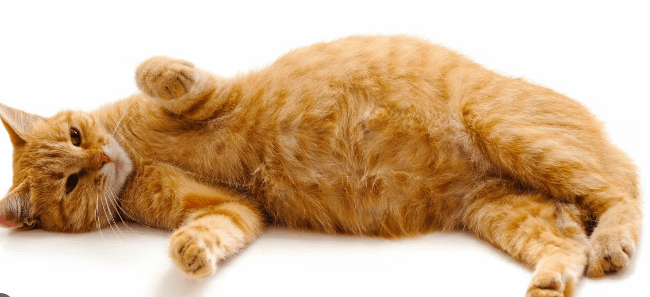
A visit to the vet often ends with an incredulous look at the bill. This is even more true since the veterinary surgeons’ fee schedule (GOT) was adjusted in November 2022. Since then, veterinary care costs have increased by an average of 20 to 25%, but for certain services the increase can be significantly higher. In return, our animals benefit from the latest veterinary diagnostic and therapeutic procedures. Diseases that not long ago represented a death sentence are now easily treatable. To never find themselves in a situation of not being able to afford major medical care, pet owners should always have one – or rather: several – emergency funds or pet health insurance to fall back on. Many rabbit owners, however, don’t know that this option also exists for their long-eared dogs. In this article we would like to summarize the most important things about rabbit health insurance for you.
Surgery and Health Insurance for Rabbits: What’s the Difference?
For rabbits, there is both pure health insurance and (comprehensive) health insurance, which differ in the scope of benefits and price: Comprehensive health insurance covers the costs of many necessary veterinary treatments. Surgical insurance, on the other hand, only covers surgical operations, for example following an accident. As a result, surgical insurance is significantly cheaper than health insurance. However, depending on the tariff, there may be differences in the scope of services. For example, neutering or parasite infestation are not (necessarily) covered by insurance. The contract details provide information on the exact scope of the services.
Is it worth getting health insurance for rabbits?

Ideally you should take out health or surgical insurance for your pets as early as possible, i.e. when your long-eared pets are still young and fit. In these cases, stipulating a contract is the simplest thing, the scope of the services is the widest and the tariff is the cheapest. If your rabbit already has underlying (chronic) illnesses, it will be difficult. If illnesses are present at the time of the conclusion of the contract, they are generally excluded from the benefits, which means that all veterinary costs related to this illness or secondary illnesses are not covered by the insurance. The same may apply to illnesses that occurred in the last year. In case of doubt the insurer will request adequate medical reports or extracts from the medical record.
Waiting time
The waiting period, also called the waiting period, is the period immediately after taking out insurance during which veterinary expenses are not yet covered by insurance. Accidents are usually the exception. For example, if your provider sets a waiting period of one month and your loved one falls ill within this period, you have to pay the costs yourself. Furthermore, it may happen in the future that the disease in question is excluded from the insurance, so that the treatment costs will not be covered even after the waiting period has expired. What should you pay attention to when taking out rabbit health insurance? Do you want to take out health or surgical insurance for your rabbits to ensure financial security and provide your pets with the best possible and necessary treatment in case of illness? Before deciding on a tariff, you should take a moment to carefully study the contract conditions and compare them with each other. In particular, the following factors must be taken into account:
Leer mas Helps with black poop on your dog
Scope of services and exclusions
Amount of personal contribution or deductible
Cost-sharing, deductible, deductible: three terms for the same scenario: It’s the amount you have to pay yourself if you get sick, despite having health or surgical insurance. The personal contribution is usually indicated as a percentage and is therefore e.g. B. 50 or 20%. For a 100 euro bill this would mean you would have to pay 50 or 80 euros yourself and the rest would be covered by the insurer. The following applies: the higher the personal contribution, the lower the monthly or annual insurance premium.
Coverage amount/maximum limit
The maximum annual limit or coverage amount indicates the amount that the insurance covers each year. This can e.g. B. at 2000 euros, but also at 6000 euros or even unlimited. If your insured rabbit incurs veterinary expenses in any one year in excess of the amount stipulated in the contract, you are required to cover the additional expenses. The higher the coverage amount, the higher the insurance premium.
Free choice of vet and billing rate
If one or more of your pets are sick, you will naturally want to give them the best treatment possible and choose a vet who has the appropriate experience and trusts you. Therefore, the free choice of veterinarian should be specified in the contract. You should also know that the Veterinary Fee Schedule (GOT) sets out a specific framework within which practices and clinics can bill. Veterinarians, for example, can bill double or triple the rate, especially for emergency treatments: in this case up to four times the rate can be applied. In other words: depending on external circumstances, the same treatment can cost 20, 40, 80 or even 100 euros. It is therefore important to clarify in advance whether the insurance also covers the increase in billing rates. At this point it is appropriate to briefly address the issue of precaution. Your insurance should cover at least part of this amount or offer an annual lump sum.
Costs of surgery or health insurance for rabbits
The costs of rabbit health insurance or surgical coverage depend on several factors, such as the age and health of the animal, as well as the tariff chosen and the corresponding deductible and amount of coverage. As a result, health insurance costs 10 to 30 euros per month, while pure surgical protection can be obtained for a single-digit monthly amount. In general each animal needs to be insured separately, but it is worth checking with the supplier whether there is a discount for multiple rabbits. Additionally, it may be cheaper to collect bills and submit them once a year rather than after each vet visit.
Leer mas Profile of the Basset Hound | Is a Basset Hound right for me? How should it be held?
Excursus: Special case of encephalitozoonosis (E. Cuniculi)
Encephalitozoonosis is a contagious infectious disease also known as stargazer disease or crooked head disease. Symptoms include a tilted head position, paralysis of the hind legs and/or loss of balance. It is caused by the pathogen Encephalitozoon cuniculi (E. Cuniculi), which damages the spinal cord, brain and kidneys. The disease is contagious to other rabbits and cannot be cured, but can be easily controlled if diagnosed early so the animals can live without symptoms. For early diagnosis, a blood test to determine the titer is available. According to studies, approximately 40% of rabbits kept as pets are EC positive, that is, they have a positive titer and therefore are carriers of the pathogen without necessarily being clinically ill. This titer determination makes more than sense for all rabbits, on the one hand to avoid the spread of the disease as much as possible and, on the other hand, to avoid socializing EC-negative rabbits with EC-positive conspecifics, since they would become infected in any case. As far as health insurance is concerned, the E-cuniculi title represents a peculiarity: animals that test positive for EC, i.e. tested, can usually be insured, but in this case encephalitozoonosis is excluded from the insurance. However, if the status is not known, the animals can be insured without restrictions, even if a subsequent examination shows that they have a positive titre. Simply put: it is advisable to take out insurance first and then have the CE title determined only after the waiting period has expired.
Conclusion
To transform the shock of receiving a hefty vet bill into a nonchalant shrug in the future, and more importantly, to safeguard your pet’s well-being, it might be worthwhile to consider rabbit health or surgical insurance. This can be particularly beneficial for owners with limited financial reserves or modest incomes. Such insurance is typically available for a relatively small monthly or annual fee and can bring peace of mind. However, to avoid any unpleasant surprises during emergencies, it’s essential to carefully review the policy details beforehand. Pay close attention to coverage limits, exclusions, waiting periods, deductibles, and annual contribution thresholds. Ensure that the terms align well with both your pet’s needs and your financial situation.
latest posts published

Belgian Malinois: characteristics of the dog breed

Norwegian Buhund: characteristics of the dog breed
Caring for the Chinese Water Dragon

The best brushes for cats

How to choose the best chew toys and treats for your dog

How to train your puppy to walk on a leash

Czech Terrier (Cesky Terrier): characteristics of the dog breed

Pembroke Welsh Corgi: characteristics of the dog breed

The best bags for carrying cats