
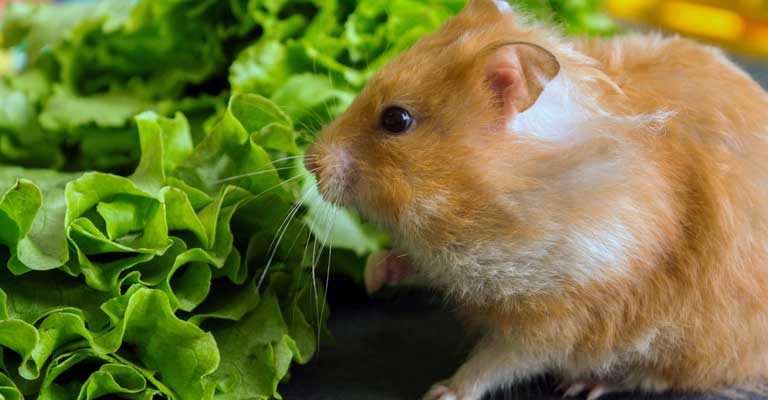
For many people, summer is the most beautiful time of the year: temperatures rise and life moves increasingly outside. If it’s too hot, we dive into the cool lake, eat a refreshing ice cream or retreat to a shady spot. Anyone who shares their home with rabbits, guinea pigs, rats, gerbils or other small mammals knows that warm weather is anything but pleasant for furry friends. This is mainly due to the fact that they have a decisive disadvantage compared to humans: they cannot sweat like us, which means that an important «cooling» function inherent to the body is not available. Golden rabbits and hamsters, for example, originally come from regions where it is very hot in summer, but there they effectively protect themselves from the heat by retreating into cool underground burrows, from which they only emerge when it gets cooler in the evening. Painted rats and mice generally tolerate heat very poorly. They must be especially careful in summer so that their health is not affected. In this article we have collected some tips for you on how to make the summer heat more bearable for your little four-legged friends. But first, let’s take a quick look at why high temperatures are so dangerous for small animals.
Heat risks for rabbits, guinea pigs, etc.
The biggest dangers from heat to small animals are dehydration, heat stroke and fly maggots. Temperatures up to 25 degrees can be dangerous for your pets; if they exceed 30 degrees, it quickly becomes life-threatening.
heat stroke
Heatstroke can be recognized, for example, if the affected animal breathes rapidly (lateral breathing), lies on its side or flat on the ground, has pale mucous membranes, appears apathetic and refuses food and water. If you find your pet in these conditions, you need to hurry: a cool, damp cloth wrapped around the body serves as a first aid measure before going straight to the nearest vet! This can help your loved one, for example, with infusions or medications that stabilize the circulation and thus perhaps save their life!
Important: If you have the slightest suspicion of heat stroke, be sure to take your pet to the vet as quickly as possible, as untreated heat stroke often leads to death in small animals.
Leer mas Dry heating air can harm birds
Fly worms
Fly larvae infestation, also called myiasis or fly larvae disease, often occurs in summer and at high temperatures. Blowflies or meat flies lay their eggs on the animal, preferably in small areas or in the anus and genital region. The worms that then hatch work their way through the body’s tissues and cause severe inflammation, internal bleeding, and organ damage. Flies are usually attracted to a strong odor, for example from animals with open wounds or thin feces or diarrhea.
Tips for cooling off from the heat
Water and fresh food
Adequate water intake is the most important aspect of rodent health in summer. Therefore, you should ensure that your pets always have access to fresh drinking water. It is best to place several bowls in different places and make sure that the water is always fresh and clean. Bowls are preferable to nipple drinkers, as the latter only release water in droplets.
Fresh foods (lettuce, vegetables, herbs, etc.) provide additional fluids that are urgently needed in summer. If your pets have never eaten fresh food, it is important to get them used to it slowly to avoid digestive problems. Maintain good hygiene by removing uneaten food or, in the case of hamsters and gerbils, hidden/hidden fresh food every day, as spoiled food can cause serious health problems. The warmer the outside temperature, the faster fresh food spoils.
Always offer food and water in the shade so it doesn’t heat up so quickly. Please do not give frozen or too cold food, as this can cause digestive problems.
Leer mas Does your cat have skin problems? You can do it!
Location of the fence
Place the small animal enclosure, regardless of whether your pets live indoors or outdoors, in a place without direct sunlight.
For the Posture outdoors Shaded places under a large tree are suitable, for example. Setting up an umbrella or a shelter to take refuge in is not enough if the enclosure is positioned under the scorching sun, because it will still be too hot for your animals or the heat could even accumulate.
Al Indoor storage you should always keep an eye on the temperature. If it’s too hot, you need to find another location for your favorites, if necessary in the basement. The only important thing is that they do not spend 24 hours in the dark, but that the day-night rhythm continues. If in any case there is no window through which light enters the basement, it is necessary to regulate the lighting, for example, with a timer. But perhaps it is enough to move to another room in the apartment or house.
A shaded location is especially important for albinos, light-skinned, red-eyed animals. Direct sunlight not only increases the temperature inside the cabinet, but can also irritate sensitive eyes and cause sunburn.
Leer mas Canary profile | Original distribution and lifestyle
Custodial facility
Shelters that provide shade are very important in hot weather and should always be available in sufficient quantities. Place caves, houses and tunnels in different places in the enclosure so your pet can choose where to hide and cool off. Variants made of natural materials such as willow or cork are best suited, as heat accumulates less here.
Plants such as hazel bushes, currants or blueberries are also ideal in the outdoor enclosure and will certainly be welcomed by your rabbits and guinea pigs as a cool refuge.
Ventilate regularly and well
It is better to ventilate the room where the case is located well in the early morning and late evening hours so that the room temperature drops. As long as the enclosure is positioned so that it is not exposed to drafts, you can leave the window open even at night to give relief to your four-legged friend.
Important: You should definitely avoid fans directed towards the wardrobe, as they do not help cool the room temperature, but only move the hot air. The mucous membranes dry out and the eyes become irritated. In general, when keeping small animals, drafts should be avoided, even in summer.
Leer mas The cat pees in the house: what to do?
Summer hairstyle
For long-haired pets, trimming their fur can make them cold, as long as the pets are docile and tolerate it. It’s better to have someone help you cut your hair. So one person can gently hold the animal (!) and the other can calmly cut the fur. It is best to use rounded scissors to avoid injury.
Active cooling
First of all an important note: all active cooling options should be designed so that your pets can voluntarily go there and leave them again. You should never be forced to accept them. For animals that tend to have bladder problems, cooling from below (e.g. in the form of cold tiles or cooling pads) should only be used very sparingly, if at all.
Moisten the soil in the outdoor enclosure: For rabbits or guinea pigs kept in an outdoor enclosure, it can be very pleasant if, for example, some of the grass, stones or sand in a shaded area is moistened so that they can cool off there.
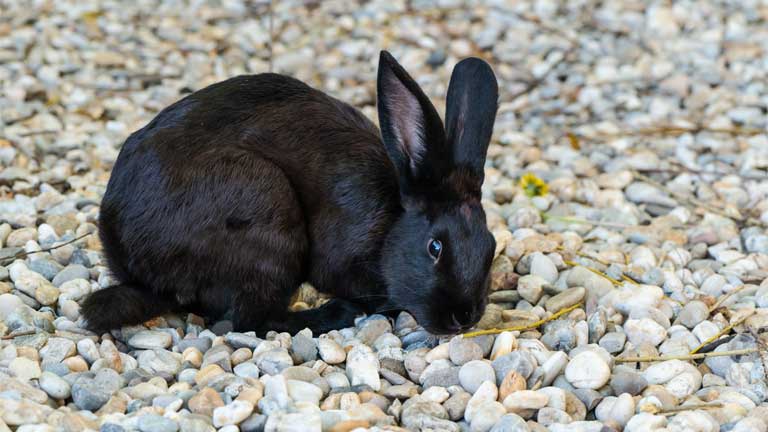
Interesting documents: For indoor enclosures of rabbits and guinea pigs, but also small rodents such as rats, hamsters or mice, commercially available small animal cooling pads or previously cooled tiles, tiles or stones can be a very pleasant way to better tolerate the heat. Before storing them in the case, store them in a cool place or in the refrigerator. Your pet should always be able to decide for itself whether it wants to retreat to cool surfaces or not.
Digging Box: A digging box or tub filled with sand is also ideal for cooling off. You should also store the sand in a cool place before filling it. A further refreshing effect is obtained by slightly moistening it.
Wet towels and ice packs: Although damp towels or ice packs wrapped in cloth can provide effective relief in high heat, there is always the risk of gnawing, which is why this method is only recommended to a limited extent and should only be used under supervision. For slightly smaller enclosures, such as those for hamsters or gerbils, it may be an alternative to attach wet towels or wrapped ice packs to the outside of the enclosure and therefore out of reach of the animals.
Frozen water bottle: Another effective way to cool down is to fill a plastic bottle with water (don’t fill it completely), freeze it, then wrap it in a towel and place it in the enclosure. Your pets will be able to lean on it and cool down effectively. Again, of course, you should always ensure that it does not get gnawed.
Conclusion
Small animals such as rabbits, guinea pigs, hamsters, gerbils, etc. they often suffer greatly from summer temperatures. If temperatures exceed 25 or even 30 degrees, the situation can quickly become life-threatening for your little four-legged friends. It is therefore particularly important to provide sufficient cooling opportunities and shaded areas in the hot season and never expose the animals to direct sunlight. We hope that our advice will help you make sure your little ones have a good summer!
latest posts published

Belgian Malinois: characteristics of the dog breed

Norwegian Buhund: characteristics of the dog breed

Caring for the Chinese Water Dragon

The best brushes for cats

How to choose the best chew toys and treats for your dog

How to train your puppy to walk on a leash

Czech Terrier (Cesky Terrier): characteristics of the dog breed

Pembroke Welsh Corgi: characteristics of the dog breed

The best bags for carrying cats
