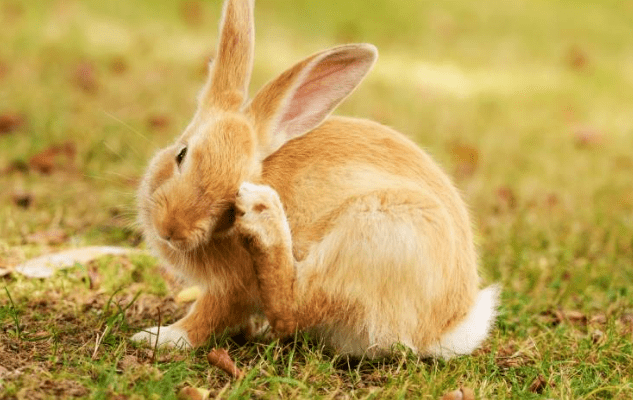
Rabbits don’t need to scratch any more than you would. If your pet rabbit seems excessively itchy and scratches a lot, he has a problem that needs fixing. Various problems – from dust mites to allergies – can cause itching and scratching, but fortunately they can be treated.
Why do rabbits scratch?
When an animal has severe itching, it is called pruritus. In rabbits it can be due to fur, skin or ear parasites, dry skin, allergies or infections. Whatever the cause, it’s important to take care of it right away to ensure your rabbit’s health and peace of mind.
Fur mites
Cheyletiella parasitivorax are microscopic mites that live in the fur of rabbits. Cheyletiella mites are blood-sucking parasites that bite your rabbit for food, causing it to scratch.
Fur mites are also referred to as «walking dandruff» because they are often seen displacing dead skin on rabbits, creating the appearance of loose skin cells. They can start in a small area of your rabbit’s fur, but if left untreated, they can spread throughout their body, into their environment, and to other rabbits and other pets.
Leer mas Cats and Mice: Potential for Disease and Other Dangers
Even if your rabbit never goes outside, he can pick up fur mites from food or bedding you bring into the house.
Lice

Although not as common as other parasites, lice do infest rabbits. They are species specific, so people and other pets other than rabbits cannot get them.
Fleas
Many people don’t believe that rabbits can have fleas, but they are wrong.
Leer mas The 10 basic commands for dog training
Female fleas lay up to 50 eggs a day, so even if you only see one or two adult fleas on your rabbit, they’ve probably already laid hundreds of eggs. Fleas also bite humans, but female fleas usually cannot produce viable eggs when human blood is their only food source.
Rabbits that live indoors can get fleas just like rabbits that live outdoors. Other pets in the home can transmit fleas to your rabbit. Fleas can also enter homes just like other insects like ants.
A flea comb will help you find insects and their dirt. Flea droppings are cylindrical feces that turn red when rubbed with a wet cotton ball. This is a good trick for distinguishing digested blood from normal environmental dirt.
Dry skin
Your rabbit may develop dry skin which can cause him to scratch and scratch. Rooms with very low humidity, dusty environments, poor diets, and bathing your rabbit too often or using the wrong shampoos can contribute to drying out your pet’s skin. If you can determine the cause of dry skin, you should be able to eliminate it. For temporary relief, ask your vet to prescribe a rabbit spray.
Leer mas How to care for a fat cat
Ear mites
Psoroptes cuniculi are ear mites that cause itching. They can spread from rabbit to rabbit, so wash your hands after handling a rabbit with diseased ears. You may notice hair loss around the ears and/or scabbing, or your rabbit’s ears may appear particularly dirty. Tilting the head, drooping the ears and shaking the head are also signs of a mite infestation, which does not always affect both ears. If you notice any of these signs, take your rabbit to the vet.
See also: Best pet cameras
Allergies
Just like humans, some rabbits are allergic to certain itchy substances. These allergies are usually environmental and non-food in nature, so you can make changes to bedding, cleaning solutions, and air purifiers to make your rabbit more comfortable at home.
Common environmental allergens include dust from some sheets or rabbit hay, as well as fabric softeners and detergents used on blankets.
Leer mas Barbet: Characteristics of the dog breed | aeinoticia
Rabbits can also be allergic to parasites such as fur mites and fleas. This will make the infestation of these parasites even more irritating for your pet.
Irritating to skin
In addition to allergies, rabbits can be irritated by some products, especially if they are not intended for rabbits. Shampoos, conditioners, sprays and deodorants can cause skin irritation in rabbits. If you use a new product, like shampoo, and your rabbit feels itchy the next day, it may be because it was too harsh on his skin. This is often the case with products intended for dogs used on rabbits.
Fungal infections
Caused by two main types of organisms (Trichophyton mentagrophytes and Microsporum canis), the fungal infection causes hair loss, itching, and red lesions in rabbits. Humans can also contract the disease from a rabbit.
The main cause of ringworm, as well as mites and fleas, is direct contact with an infected rabbit. When you bring a new rabbit into your home, keep it separate from other rabbits until you are sure it is free of infections. Rabbits can also contract fungal infections from dirty environments and brushes that have been used on an infected rabbit.
Skin infections
Burning yourself with urine and feces left in contact with the rabbit’s skin for a long time and in generally dirty environments can cause the rabbit to develop a skin infection. The infected area may become red, inflamed, and itchy and should be treated immediately.
Treatment
The methods used to treat rabbit itching depend on the cause. However, a number of problems are solved by the same means.
Fur mites are highly contagious to other rabbits. If you have other pets in your home and your rabbit is diagnosed with Cheyletiella, be careful not to spread these parasites to other animals. Wash your hands after handling your rabbit and dispose of food and waste in your rabbit’s cage.
For fur and ear mites, lice and fleas, freeze unused food and bedding that you purchased at a pet store or online. Pests can be brought into your home with these items, so freezing them before use is also a good way to prevent an infestation.
If your vet diagnoses your rabbit with mites, he or she will most likely prescribe a medication such as Selamectin, which will kill the infestation without harming your rabbit. Over-the-counter products are usually unsafe for rabbits and you should always consult your veterinarian before administering them.
If you find fleas or flea dirt on your rabbit, treat the rabbit and any other furry pets in your home with a safe medication, just as you would for fur mites. You will also have to clean and treat the environment. Some rabbit owners use boric acid powder in carpeting and various flea sprays sold in pet stores. If you choose to use these products, make sure your rabbit is out of the room you are treating for at least 24 hours.
If your rabbit suffers from environmental allergies, use fragrance-free conditioners and detergents for children or sensitive skin to wash his bedding. If symptoms persist, examine other possible allergens in your rabbit’s environment – such as dust or pollen from an open window in spring or summer – and try to correct them.
Fungal infections are usually treated with topical ointments or oral medications prescribed by your exotics vet.
Skin infections usually require prescription medications. There are anti-itch sprays available that are safe to use on rabbits, but if the root of the problem is not addressed, the spray provides only temporary relief.
How to prevent itching
Rabbit itching can often be prevented by keeping the environment clean. Recommending freezing all rabbit supplies is a great start, as is using unscented laundry products for any washable rabbit bedding.
Beyond that, make sure your pet has a very clean cage. Daily and weekly maintenance can make a significant difference in your health and prevent many skin infections. When bathing your rabbit, only use products designed specifically for rabbits.
It’s also a good idea to examine your rabbit’s fur regularly. This will help you easily recognize any abnormalities and take immediate treatment measures, which can prevent an ear infection or skin problem from worsening.
At the same time, take precautions for any other pets in your home by regularly using products such as flea preventative. Be careful not to expose your rabbit to other animals that could transmit any of these problems, especially if he is kept outdoors or let out.
If you suspect your pet is sick, call your vet immediately. For health-related questions, always consult your veterinarian, as they will examine your pet, know its health history and can make the best recommendations.
Read also: How to take care of your rabbit during the holidays
latest posts published

Belgian Malinois: characteristics of the dog breed

Norwegian Buhund: characteristics of the dog breed
Caring for the Chinese Water Dragon

The best brushes for cats

How to choose the best chew toys and treats for your dog

How to train your puppy to walk on a leash

Czech Terrier (Cesky Terrier): characteristics of the dog breed

Pembroke Welsh Corgi: characteristics of the dog breed

The best bags for carrying cats