Determining the appropriate food amount for your dog can be challenging. It’s important to avoid overfeeding or underfeeding to ensure your furry friend remains healthy, fit, and content. In this article, we’ll guide you on calculating the perfect portion for your dog, highlight essential factors to consider in their daily ration, and explain why weight alone isn’t the only factor to focus on. Lastly, we’ll share a helpful tip to simplify the whole process for you.
Why is the right amount of food so important?

Too much food can become harmful in the long term Obesity, joint problems or diabetes Guide.
On the other hand, your dog will have too little energy tired, prone to illness or even malnourished.
That’s why it’s worth taking a closer look, especially since each dog is individual. Weight, age, activity, health, and even the time of year play a role.
Leer mas The most popular medium sized dog breeds: Just Russel
What does the amount of food depend on?
The amount your dog needs doesn’t just depend on his body weight. These points are crucial:
-
Size and weight
-
Age (puppy, adult, senior)
-
Activity level
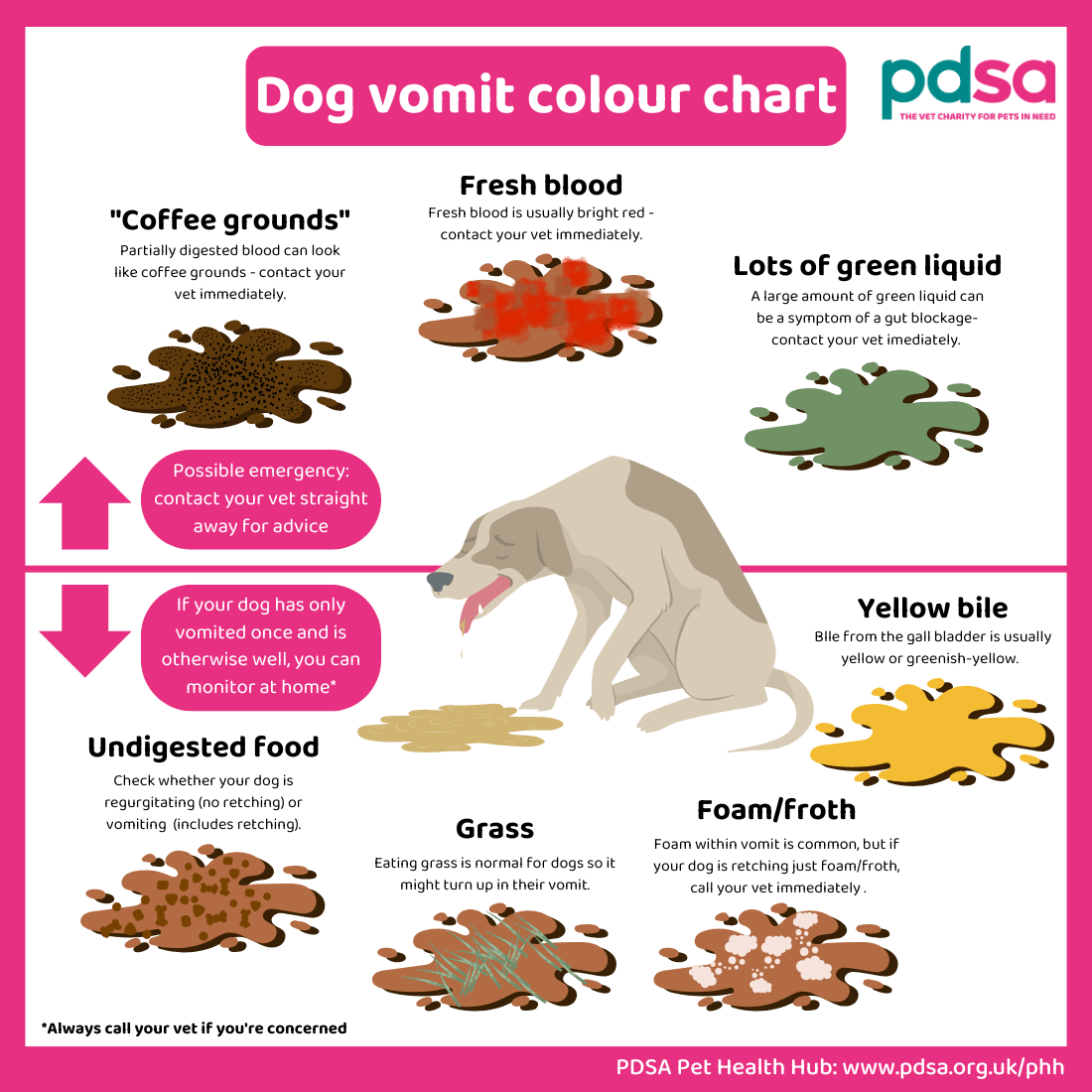
Leer mas What to do if your dog vomits
-
Castration (yes or no)
-
Metabolism and health
-
Calorie content of feed
A 10kg dog that spends a lot of time outdoors needs more than a 10kg dog that prefers to lie on the sofa.
Leer mas Discover the 8 smallest dog breeds in the world
Here’s some preliminary information: You might have come across references stating that dogs require around 5 Megajoules (MJ) or more of energy per day. This unit of measurement is often mentioned in various sources and printed on pet food packaging. However, we find it more practical to express this in Kilocalories (kcal), as it tends to be simpler for most people to understand. To make the conversion easier, 1 MJ is roughly equivalent to 239 kcal. By using kcal, comparing energy values becomes straightforward and more user-friendly.
How do I calculate my dog’s energy needs?
To calculate the appropriate amount of food, you need to know how many Kilocalories per day that your dog needs. As with humans, this depends on the so-called Basal metabolic rate ab.
The scientifically recognized formula is:
70 × (body weight in kg)0.75 = kcal per day (basic requirement)
Leer mas Helping your dog with constipation
An example:
A dog weighs 15 kg.
Then the following applies:
70×(150.75) ≈ 70 × 6.94 ≈ 486 kcal per Tag
This is that Need for rest – that is, what your dog consumes with complete peace of mind.
How much food does my dog need every day?
Once you know your basic needs, you can adapt them depending on the stage of your life. Because puppies, active dogs and elderly dogs have very different needs:
Puppies:
-
Need 2 or 3 times more energy like adult dogs
-
Motive: growth, development, unleashing
-
Example: 15 kg puppy → 486 × 2.5 = 1,215 kcal per day
Adult dogs, normally active:
-
You need approx. 1.6 times your basal metabolic rate
-
Example: 15 kg dog → 486 × 1.6 = 778 kcal per day
Elderly people:
-
Usually that’s enough 1.2× the basal metabolic rate
-
Reason: less exercise, slower metabolism
-
Example: 15 kg senior → 486 × 1.2 = 583 kcal per day
And how many grams are they now?
It depends on how Your food is high in calories AND.
If your dog’s food, e.g. B. 350 kcal per 100 g contains, calculate like this:
Example for an adult dog with a daily requirement of 778 kcal:
778 ÷ 350 × 100 = 222 g of food per day
💡Dry food is usually much more concentrated than wet food.
This means: Fewer grams contain more energy – that’s why your dog needs it smaller portions.
Wet food consists of approximately 70-80% water and contains accordingly fewer calories per gram.
It is better to limit the portion two meals a day distribute – this protects the stomach and digestion. Puppy food is also allowed three or four meals be divided per day.
Can’t I just rely on the quantities indicated on the package?
There is often a lot of information on feed bags generally held. They do not take into account:
So they’re a good starting point, but for a truly adequate ration it’s worth taking a closer look.
Bottom line: Every dog is different, as is the amount of food
Your dog is unique and his diet should reflect this.
If you know how much energy he needs every day, you can easily regulate the amount of food he eats and actively do something for his health and well-being.
Want to make things easier for yourself?
Then try ours Nutrition consultant out. This will give you one individual food plan – adapted to weight, age, activity and much more.
Naturally developed with vets and delivered straight to your door
conlusion
Feeding your dog the right amount is a fundamental part of ensuring their long-term health and well-being. While it may seem simple at first, determining the correct portion involves more than just following general guidelines or relying solely on your dog’s weight. Each dog is unique, and factors such as age, activity level, metabolism, breed, and overall health all play an important role in defining their nutritional needs.
Overfeeding can lead to weight gain, obesity, and related health issues such as joint problems, diabetes, and reduced lifespan. On the other hand, underfeeding may result in nutritional deficiencies, low energy levels, and weakened overall condition. Striking the right balance is essential to keep your dog fit, active, and happy. This is why understanding portion control is not just about quantity, but about providing the right nutrients in the right amounts.
Learning how to calculate appropriate food portions helps you take a more precise and informed approach. Instead of guessing, you can base your decisions on your dog’s specific requirements. Monitoring your dog’s body condition, energy levels, and overall behavior also provides valuable feedback, allowing you to adjust portions when necessary.
Consistency and routine are equally important. Feeding your dog at regular times and maintaining a stable diet supports digestion and helps regulate appetite. Sudden changes in food or portion size can disrupt this balance, so any adjustments should be made gradually.
In conclusion, determining the right amount of food for your dog is a key aspect of responsible pet ownership. By considering multiple factors beyond weight and staying attentive to your dog’s needs, you can provide a balanced diet that supports their health and vitality. With the right approach, feeding becomes not just a routine task, but a proactive way to ensure your dog lives a long, healthy, and happy life.
latest posts published

Belgian Malinois: characteristics of the dog breed

Norwegian Buhund: characteristics of the dog breed
Caring for the Chinese Water Dragon

The best brushes for cats

How to choose the best chew toys and treats for your dog

How to train your puppy to walk on a leash

Czech Terrier (Cesky Terrier): characteristics of the dog breed

Pembroke Welsh Corgi: characteristics of the dog breed

The best bags for carrying cats