Noticing your dog vomiting blood can be quite alarming, and it’s natural for concern to set in. However, don’t let panic take over just yet—it doesn’t always mean something is gravely wrong with your furry friend. While there are instances where the cause is harmless or minor, blood in vomit can sometimes signal a more serious issue that requires immediate attention. Understanding why this is happening is essential for their well-being. Keep reading to explore key signs to watch for, potential causes behind this condition, and the treatment options available to help your four-legged companion.
What does it mean when my dog vomits blood?
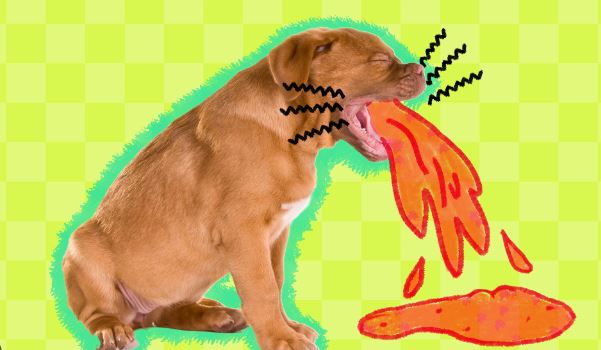
vomit blood (Hematemesis) in your dog means that somewhere in the Bleeding inside your dog is present. This bleeding can occur in… Mouth, throat, esophagus, stomach or intestines your dog. Depending on where the bleeding occurs, the blood in the vomit will have a different color. There are many possible causes.
What does the color of the blood in your dog’s vomit say?
The color of blood in your dog’s vomit can indicate a variety of causes. The general rule is that the lighter the blood, the closer the blood is to your dog’s mouth.
Leer mas Calming Tips for Overzealous Dogs
Bright red blood
The cause of bright red blood is most likely bleeding in your dog’s mouth or throat.
Dark red blood
If the blood in your dog’s vomit is dark red, the bleeding is likely deeper into the body, possibly into the esophagus.
Blood mixed with mucus
A mixture of blood and mucus in your dog’s vomit indicates bleeding in the stomach or intestines. If your dog only vomits mucus, you should definitely read this blog.
Dark blood, almost black
Very dark blood is often blood that your dog has previously swallowed.
 The benefits of glucosamine for dogs at a glance
What causes blood in your dog’s vomit?
The blood in your dog’s vomit is caused by internal bleeding somewhere in the digestive system. There are many possible causes of this bleeding, which we have listed for you here. However, it is important not to make your own diagnosis! If your dog isn’t vomiting blood but rather something else, you can read more about why your dog is vomiting here.
- Absorption of foreign bodies
- Antifreeze poisoning
- Rat poison poisoning
- Parasites
- Chew sharp sticks and bones or swallow splinters
- Parvovirus
- Bacterial infections
- Blood clotting disorder
- Hemorrhagic gastroenteritis (often associated with bloody diarrhea)
- Inflammation of the stomach
- Pancreatitis
- Nephropathy
- Morbus Addison
- Inflammatory bowel disease
- Respiratory diseases
- Krebs
What should you do if your dog vomits blood?
If your dog is vomiting blood, you should consult a veterinarian immediately. Even if it is only a small amount of blood, a lot of blood can follow later. That’s why it’s always a good idea to have your dog examined by a professional. Your vet will be able to tell you how you can help your faithful four-legged friend.
How is a dog vomiting blood diagnosed?
The diagnosis of why your dog is vomiting blood will be made by your vet. There is no point in making this diagnosis yourself! The vet can Test or a blood test carry out. Even one Endoscopy can be performed to identify any ulcers or abnormalities. X-rays are a way to detect tumors or an ingested object. Be sure to read this article to recognize the symptoms of stomach problems in your dog.
What treatments are available if your dog is vomiting blood?
The treatment your dog receives will depend on your vet’s diagnosis. You may not need any treatment. If treatment is necessary, the following measures may be taken: Infusion therapy (since vomiting blood can cause anemia or dehydration), Bblood transfusions, foreign body removal (possibly through surgery) or Drug.
 Maltese profile | With its silky white coat, dark, expressive eyes, and joyfu
Looking for more information about vomiting in dogs? Read one of these blogs!
- Why is your dog vomiting mucus and what you can do about it
- My dog vomits, what should I do?
- What does it mean when a dog vomits yellow?
- My dog is vomiting, what can I do?
- My dog vomits bile, is it dangerous?

latest posts published

Belgian Malinois: characteristics of the dog breed

Norwegian Buhund: characteristics of the dog breed
Caring for the Chinese Water Dragon

The best brushes for cats

How to choose the best chew toys and treats for your dog

How to train your puppy to walk on a leash

Czech Terrier (Cesky Terrier): characteristics of the dog breed

Pembroke Welsh Corgi: characteristics of the dog breed

The best bags for carrying cats