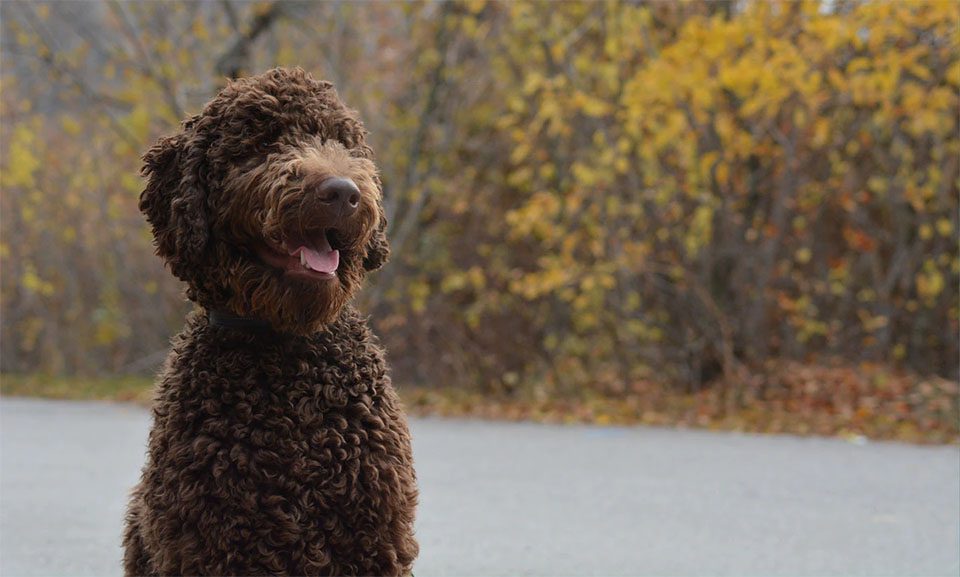
Features, history, care tips and useful information for pet owners The Barbet (pronounced bar-bay) is a medium-sized dog known for hunting birds and is recognized for its curly fur and unique beard that surrounds its nose. This breed is an exceptional water dog that was originally developed many years ago to catch birds and waterfowl all over Europe. Today, the Barbet is quite rare: It is thought that only 30 to 40 are found in the United States and around 600 worldwide. Still, present-day Barbets have kept the energy, smarts, and gentle nature of their forebears, making them great for families with kids or other animals – plus they are also skilled hunters. While the Barbet is affectionate and devoted to his family, he may be less welcoming to outsiders. Ongoing obedience training and proper socialization can help.
Since the Barbet has a dense, coarse coat, shedding is low, but daily brushing is necessary. Due to their grooming requirements, high intelligence (and possible stubbornness), a Barbet might not be the best fit for first-time dog owners or those living in apartments.
Breed overview
GROUP: Miscellaneous Class (a large group of breeds currently awaiting acceptance by the American Kennel Club)
HEIGHT: The Barbet generally measures between 48 and 62 cm at the shoulder
Leer mas The best environment for a Betta fish
WEIGHT: Most weigh between 16 and 30 kg
FUR AND COLORS: A long, dense, curly coat available in black, grey, brown or red. Some dogs will also have white markings.
LIFE EXPECTANCY: 12-14 years
Characteristics of the Barbet
| Level of affection | High |
| Friendliness | Moderate to high |
| Friendly with children | High |
| Pets allowed | High |
| Operational needs | High |
| Playful | Moderate |
| Energy level | High |
| Trainability | High |
| Intelligence | High |
| Tendency to bark | Moderate |
| The amount of shedding | Bass |
Barbet’s story
A close relative of the Poodle and Briard, the Barbet originated in France as a hunting dog for birds and waterfowl. The barbet’s webbed paws allowed it to track birds in mud and water, earning it the nickname «mud dog». Barbet’s real name, however, comes from the French word «barbe», meaning «beard».
Leer mas How to stop your dog from eating grass
Barbet has a long and varied history throughout Europe. The first description of the breed appeared in literature in 1387, but some believe that the Barbet appeared as early as the 8th century. It is also said that King Henry IV kept Barbet dogs as companions, and his mistress once got in trouble for bringing a Barbet to church.
Although they have been faithful hunting dogs – and companions – for centuries, today they are a rather rare breed. As mentioned above, it is estimated that only 30 to 40 examples exist in the United States and around 600 globally. Despite the smaller population, the Barbet is one of the top dogs in French agility dog competitions.
Caring for a Barbet
Because these dogs have long, dense, matted fur, daily grooming is an absolute must; they are extremely susceptible to tangles, tangles, and debris buildup. If left matted, the Barbet’s hair can become slightly matted or matted and can reach great lengths. Every day, gently brush and comb his coat, using your fingers to remove any knots or tangles. Removing a tangled mess with a comb risks tearing out your dog’s fur or damaging his skin.
Leer mas Dog body language: licking lips
Some Barbet owners prefer to keep their dogs’ fur shorter to make grooming easier. If you choose to trim your dog, aim for around 10cm in length around the body and slightly longer on the head, chin and tail. You can regularly trim the hair around your dog’s eyes so he can see more clearly, as well as the hair around the ear canal. If you don’t feel comfortable clipping your dog, a local groomer will be able to help you.
Be sure to regularly inspect your Barbet’s ears and gently remove any buildup of earwax or debris with a soft cotton cloth. If your dog’s ears are red and inflamed, excessively dirty, or smell strange, make an appointment with your vet. These may be signs of infection and may require treatment.
All dog breeds are susceptible to periodontal disease if they do not receive adequate dental care. Daily brushing is ideal, but brushing your dog’s teeth at least once a week can help prevent the development of oral diseases. You can also supplement brushing with dental treats, but remember: they are empty calories, so it’s important to give them in moderation. Dental treatments should never be the only form of dental hygiene you use.
Barbets have high energy levels, need exercise and are very intelligent dogs, so it’s important to keep them engaged and entertained. They thrive in agility sports, so agility games, puzzles, or other challenging games will keep your Beardie engaged and trained. Because Barbet dogs are very intelligent, they have the potential to be stubborn. Listening training, regular exercise and entertainment can help.
Leer mas How to take care of a hairless cat
Common health problems
Although Barbets are generally healthy dogs, there is no guarantee that certain health conditions will not develop. It’s important to know the signs and symptoms so you can seek appropriate care if your dog shows signs of any of these health conditions:
Separation Anxiety: Barbets love their people – and constant attention – so they can be susceptible to separation anxiety. Excessive drooling, accidental elimination in the home, and destructive behavior may be signs of this condition. Talk to your vet about ways to relieve separation anxiety through training or, in more severe cases, medication.
Hip or elbow dysplasia: This condition affects the hip and elbow joints and can lead to extreme pain and weakness. Dysplasia is a hereditary disease, so it is important to ask the breeder for a joint guarantee. Although most cases of dysplasia are genetic, injury and excessive weight gain can also lead to its development.
Epilepsy: Characterized by frequent seizures, epilepsy is a condition that affects the dog’s brain. Signs of seizures include collapse, full-body convulsions, and foaming at the mouth. If your dog exhibits any of these symptoms, contact your vet for immediate treatment.
Diet and nutrition
Your dog’s diet depends largely on his size, weight, activity levels, and metabolism, but in general you can expect to feed a Barbet 1.5 to 2 cups of high-quality, high-protein dog food each day. If you’re unsure about how much to feed, your vet can help you develop a feeding plan that’s right for your dog.
Remember: All breeds are susceptible to canine obesity if overfed and poorly trained. Obesity can lead to serious health complications such as heart disease, diabetes, and joint problems, so it’s important to make sure your pet eats a healthy, balanced diet.

Pro
- Loving and loyal to family members
- They do well in homes with other pets
- It doesn’t leak excessively
Contra
- High energy with high exercise demands
- Not suitable for apartment living
- Requires daily care
Other dog breeds and further research
It’s important to do your homework and make sure you can handle a Barbet’s care, exercise, and training needs before bringing one home. Because they are fairly high maintenance dogs, the Barbet is not recommended for first-time dog owners, families with extremely busy schedules, or inactive families.
If you are interested in dogs similar to the Barbet, take a look at:
Read also: The best dog food you can buy online
latest posts published

Belgian Malinois: characteristics of the dog breed

Norwegian Buhund: characteristics of the dog breed

Caring for the Chinese Water Dragon

The best brushes for cats

How to choose the best chew toys and treats for your dog

How to train your puppy to walk on a leash

Czech Terrier (Cesky Terrier): characteristics of the dog breed

Pembroke Welsh Corgi: characteristics of the dog breed

The best bags for carrying cats