
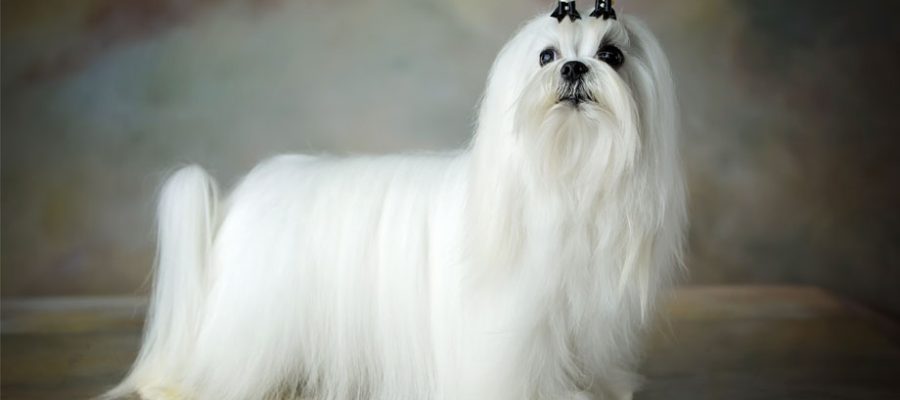
With its silky white coat, dark, expressive eyes, and joyful, affectionate personality, the Maltese is truly a charmer. Recognized as one of the world’s oldest dog breeds, these endearing companions boast an impressive heritage. It’s even believed they kept company with the people of ancient Egypt, making them not just adorable pets but also dogs steeped in history. Small in size but big in character, the Maltese typically stands at 20 to 25 cm tall and weighs just 3 to 4 kg. Despite their compact stature, they are every bit a «true dog,» complete with an active spirit and a genuine need for exercise and mental stimulation. When their physical and emotional needs are met, these furry friends prove to be adaptable and easygoing, thriving in a variety of living environments. To help you get to know this charming breed better, we’ve compiled everything you need to know about the Maltese in one convenient profile. Let’s explore what makes this little dog so special!
Origin and history
The Maltese is considered one of the oldest dog breeds in the world and has been a faithful companion of man for many centuries. There are numerous theories and anecdotes about its origins: for example, figurines of small dogs found in the tomb of the Egyptian pharaoh Ramses II, who died in 1213 BC, are said to be so similar to today’s Maltese that ancient Egypt is suspected to be the original home of the four-legged friend. From there the ancestors of the little white dog may have spread throughout the Mediterranean through the commercial activities of Phoenician merchants, especially in port cities, where they performed an important service in camps as skilled rat and mouse hunters. Perhaps this is how its name is explained, since the Semitic word “Malat” means “port”.
What is at least certain is that small white dogs similar to the Maltese were already widespread in ancient Greece and the Roman Empire. A reference to this is found, among others, in Aristotle, who reports a small “cane melitaeo” (“canes malitenses”).
At the latest from the Renaissance, i.e. at the beginning of the 15th century, the ancestors of today’s Maltese became popular companion dogs, especially in aristocratic circles. Above all, they were faithful companions of aristocratic ladies-in-waiting and even queens: Queen Victoria and Marie Antoinette, among others, are said to have owned a Maltese dog.
Leer mas Rabbits and children – you should pay attention to this
Over the centuries, Maltese breeding became increasingly refined, standardized and professionalized until the breed was finally officially recognized by the Fédération Cynologique Internationale (FCI) in 1955. Today, the Maltese is one of the most popular companion dogs and enjoys great popularity throughout the world.
I wait
Body type, height and weight
The Maltese is a small four-legged friend with a compact body and reaches a weight of 3 to 4 kg with a shoulder height of 21 to 25 cm (males) or 20 to 23 cm (females). According to the breed standard, the length of the body exceeds the height at the withers by about a third. What is particularly striking are its lively, expressive and rather large eyes. The ears are almost triangular, are worn hanging and rest on the sides of the skull. The tail is thick at the base and thin at the tip and is carried in an arch.
Fur and colors
The Maltese’s coat is long, dense, shiny and silky in texture. It falls heavily, is smooth and has no curls or frizz. While the Maltese’s fur often reaches to the ground at shows, in everyday life the four-legged friends often appear with their fur cut, which makes it much easier to care for them.
At dog shows, Maltese are usually seen with long hair and cared for with care, while in everyday life four-legged friends often show up with a practical short hair cut.
Leer mas Free accommodation for rabbits | What is free accommodation and who is it suitable for?
The Maltese has no undercoat, so it does not undergo the typical shedding and only sheds a small amount of fur, although it tends to freeze in cold temperatures.
As for the color, according to the breed standard only pure white is allowed, a slight ivory shade is allowed, but not desirable.
Character and essence
Maltese are extremely happy, lively and sociable four-legged friends who love nothing more than spending time with their family. They are enthusiastic about a variety of activities: long walks, learning new tricks, games of search or a round of races with their canine friends in the park. However, if the weather is bad, you will have no objection to being more comfortable and spending a pleasant afternoon on the sofa.
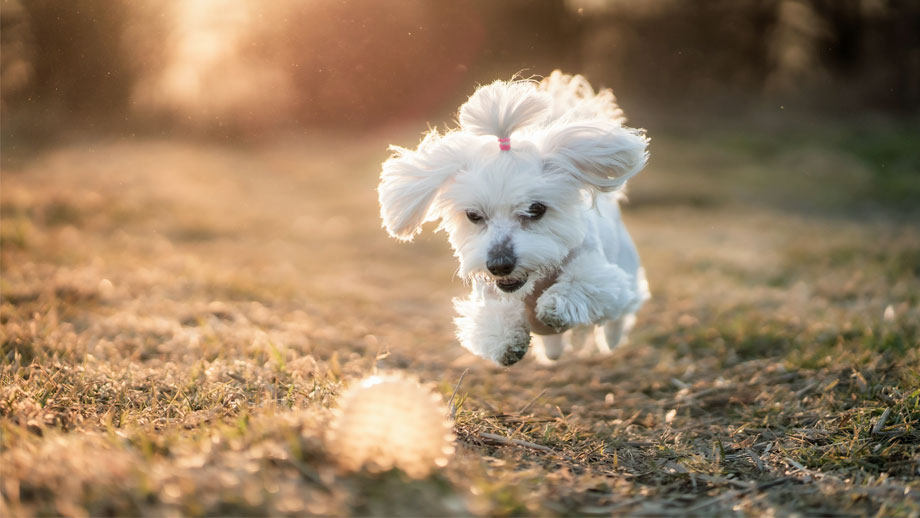
Maltese are happy and playful four-legged friends, but they don’t mind when things are a little calmer.
Leer mas Green Swallowtail Profile
Maltese are affectionate and highly sociable four-legged friends with a strong need for companionship and closeness: being alone for long or frequent periods is a horror for them and should therefore be avoided. The cute four-legged friends form a deep bond with their human pack and need close family bonds.
Is a Maltese right for me? How should it be held?
taken
The Maltese like to be in nature with their people.
Nutrition
Treatment
The long and silky fur of the Maltese grows continuously and therefore tends to get tangled, for this reason it should be combed or brushed if possible daily and any knots that form should be gently untied. The Maltese, on the other hand, does not undergo the typical change of fur, and therefore loses much less hair than most other four-legged friends. If the hair grows above the eyes, it is best to have it trimmed with rounded scissors or by a professional groomer or use a hair clip to continue to ensure clear vision and avoid eye irritation.
Typical diseases
Frequently asked questions about the Maltese
Who is a Maltese suitable for?
Maltese are happy, lively, affectionate dogs who bond closely with their people and prefer to be with them everywhere. Since they don’t like to be left alone, they feel more comfortable in an environment where this is an exception. Whether it is an individual, a couple or a family, whether it is an apartment in the city or a house with a garden, the Maltese has no specific needs and adapts perfectly to different living environments as long as its needs for exercise, activity and companionship are met. Since it is also considered quite easy to train, it can also be suitable for people without dog training experience who want to acquire the necessary know-how, for example at a dog school. All in all, the Maltese is an active little four-legged friend who proves to be extremely simple in everyday life.
Leer mas Hasemania nana profile | Fish-friendly assistance and accommodation
Can a Maltese do well alone?
Maltese are affectionate and sociable four-legged friends who form close bonds with their people and prefer to accompany them everywhere. With proper training they can of course be left alone for a while, but this should not happen too often or for too long. Dogs are highly social pack animals and need a proper bond with their family – this applies to us too, especially the Maltese.
How much does a Maltese dog cost?
Being a purebred dog, the Maltese naturally has its price, which is usually around 1500 euros. This is not a small sum, but you should be prepared to invest this amount to ensure that your puppy comes from a reputable breeder who focuses on the health of their four-legged friends. A reputable breeder selects only healthy parents, ensures good socialization, and has puppies vaccinated and chipped before they move into their new home. If you are offered a Maltese puppy at a (significantly) lower price, you should definitely be suspicious, as this often suggests that the breeding is not animal-friendly.
latest posts published

Belgian Malinois: characteristics of the dog breed

Norwegian Buhund: characteristics of the dog breed

Caring for the Chinese Water Dragon

The best brushes for cats

How to choose the best chew toys and treats for your dog

How to train your puppy to walk on a leash

Czech Terrier (Cesky Terrier): characteristics of the dog breed

Pembroke Welsh Corgi: characteristics of the dog breed

The best bags for carrying cats
