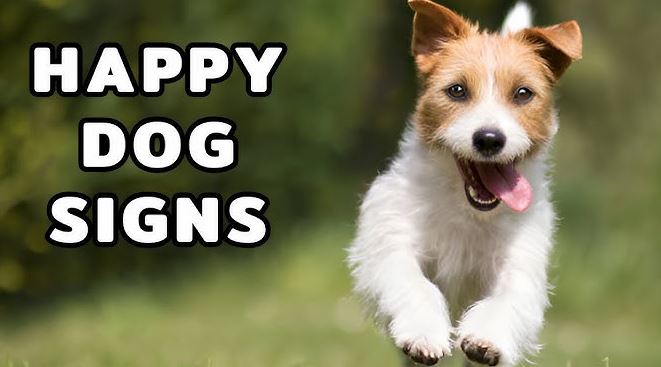
How can you tell if your dog is happy? Unlike us, dogs can’t say something like, «Hey, I’m feeling a bit down; cheer me up!« But thankfully, they don’t leave us entirely clueless. Dogs communicate their emotions through body language, giving us valuable insights into their mental state. If you recognize the 8 signs described below, then congratulations—you have a happy dog and can rest easy! Curious to find out if your dog is as joyful as you believe? Keep an eye out for these 8 unmistakable signs of a happy pup:
Your dog rolls onto his back and shows you his stomach
If your dog rolls onto his back, it’s a sign of blind trust. Your dog feels safe with you and is not afraid to protect his vital organs. If he wags his tail, he’s inviting you to rub his belly, something dogs usually love!
Your dog curls up next to you
Happy dogs crave affection and physical contact, sometimes to the point of becoming a little annoying. Your dog spontaneously comes to you to be petted, snuggles up to you or snuggles under your hands. No matter where you go, he follows you wherever you go and jumps into your lap when he gets the chance. Without a doubt, your dog is happy!
Leer mas Is your dog afraid of other dogs?
How exciting!
When you come home, get the leash, the food or want to play with him, your dog will be absolutely thrilled. If he also gets into a playing position, with his butt raised and his chest low to the ground, then he is ready for a party. Your dog will clearly show you that he loves you as his owner and will show you his appreciation in the most passionate way.
Your dog is completely relaxed
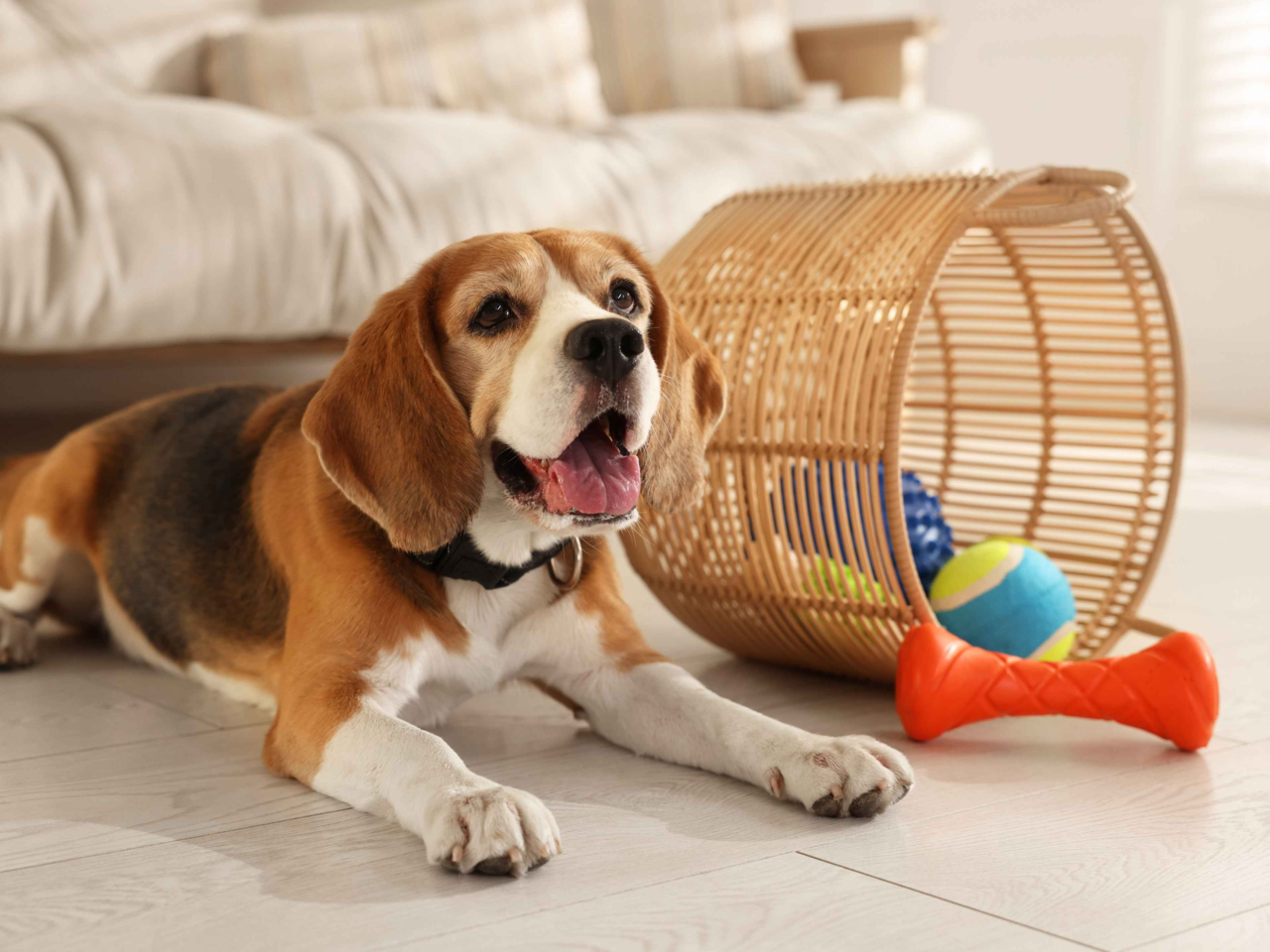
A happy dog is a relaxed dog. Loose shoulders, wagging tail, relaxed ears, slightly open mouth, happy eyes and a confident demeanor are all clear signs that your dog is happy.
Look at the wagging tail
The definitive and most recognizable sign that your dog is happy is a wagging tail. Especially if his whole body is moving with his tail, he has joyful eyes and his mouth open as if he is smiling, then you are definitely looking at a happy dog.
Beautifully clean and polite
A happy dog is a well-behaved dog. He behaves calmly, does not break anything and does not try to attract attention with bad behavior such as urinating in the house. If your puppy frequently bites, digs, or destroys furniture and clothing, he’s trying to tell you that he’s bored, stressed, or scared.
Leer mas Profile of bearded collie | The Bearded Collie is a British dog
Melt with those puppy dog eyes
If your dog’s eyes and eyelids are relaxed, he blinks often, and his gaze is soft and friendly, you can be sure that your dog is happy. Or he obviously wants something from you, which may be the case. But honestly, no one can resist it!
Your dog has a healthy appetite
If your dog comes every day at mealtime asking for a tasty morsel and eats his food with pleasure, you can be sure that he is doing well both physically and mentally. However, if your dog refuses to eat or eats less than usual, it may indicate that he is not feeling well or is stressed or anxious. In this case you can give him calming supplements.
Healthy eating is the key to your dog’s happiness
The 8 signs of a happy dog above will give you a good idea of his well-being. To make and keep your dog even happier, you cannot ignore healthy dog food. A healthy dog is a happy dog!
Not sure if your pet is getting the right food rations? Then you can get free nutrition advice from Just Russell.
Leer mas The dog vomits blood: causes and help in brief
conlusion
Understanding whether your dog is truly happy goes far beyond simple assumptions—it requires paying close attention to their behavior and body language. While dogs cannot express their feelings through words, they communicate clearly through subtle signals that reflect their emotional state. By learning to recognize these signs, pet owners can better understand their dogs and ensure they are living a fulfilling and joyful life.
The eight signs of a happy dog serve as valuable indicators of well-being. From a relaxed body posture and wagging tail to playful behavior and a healthy appetite, these signals reveal that a dog feels safe, comfortable, and content in its environment. Bright eyes, enthusiasm for interaction, and a willingness to engage with both people and surroundings are all strong signs of emotional balance. When these behaviors are consistently present, they suggest that your dog is not only physically healthy but also mentally satisfied.
It is important to remember that every dog has its own personality, and expressions of happiness may vary slightly from one pet to another. However, the overall pattern of behavior is what matters most. A happy dog is typically relaxed, responsive, and engaged, rather than withdrawn, anxious, or overly aggressive. By observing your dog regularly, you can begin to understand what is normal for them and quickly notice any changes that might indicate discomfort or stress.
Building a happy life for your dog involves more than just recognizing these signs—it also means actively supporting their well-being. Providing proper nutrition, regular exercise, mental stimulation, affection, and a stable environment all contribute to a dog’s happiness. Strong bonds with their owners and consistent routines further enhance their sense of security and trust.
Leer mas Calming Tips for Overzealous Dogs
In conclusion, while dogs may not speak our language, they communicate their happiness clearly through their actions and body language. By learning to recognize these signs and responding to your dog’s needs, you can ensure they lead a joyful and balanced life. A happy dog is a reflection of attentive and responsible care, and understanding these signals allows you to strengthen the connection you share with your loyal companion.
latest posts published

Belgian Malinois: characteristics of the dog breed

Norwegian Buhund: characteristics of the dog breed
Caring for the Chinese Water Dragon

The best brushes for cats
How to choose the best chew toys and treats for your dog
How to train your puppy to walk on a leash

Czech Terrier (Cesky Terrier): characteristics of the dog breed

Pembroke Welsh Corgi: characteristics of the dog breed

The best bags for carrying cats