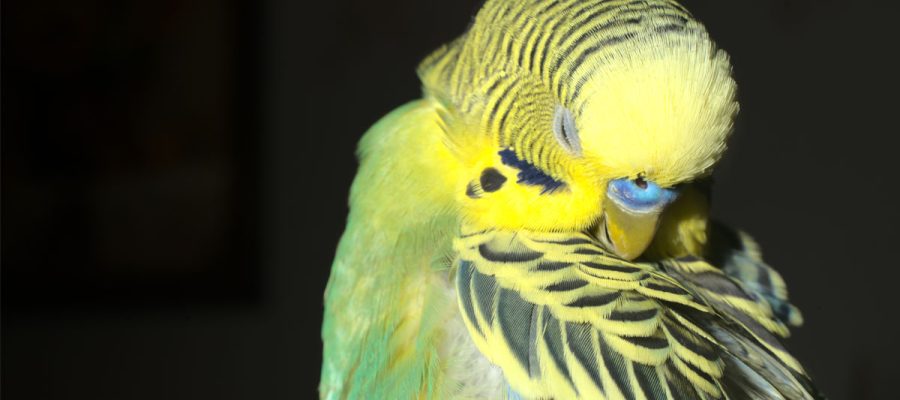
When the autumn season brings with it a noticeable drop in temperatures, it’s common for heating systems to take over in our living spaces, leading to increased warmth indoors. However, this shift often results in significantly drier air, which can be particularly harmful to the health of pet birds. To mitigate these potential risks, it‘s essential not only to prioritize a comfortable indoor climate by practicing regular ventilation but also to maintain an appropriate level of humidity, especially during the harsher and colder winter months. Proper humidity levels in the bird room are crucial for their well-being. The question then arises—what practical and effective methods can be used to enhance and stabilize the moisture content in dry indoor air?
How Much Humidity Do Birds Need?
The humidity that birds need depends on their species or, more precisely, the conditions of their native habitat. In particular, tropical ornamental birds, such as some species of parrots or parakeets, come from areas where humidity sometimes reaches 90%. But our living rooms are not rainforests: such high humidity would quickly lead to mold growth indoors. A compromise must therefore be found: the air humidity must be high enough not to harm the birds, but at the same time it must not favor the undisturbed spread of mold spores in the air. A Humidity around 60% it is desirable for most ornamental bird species. This protects the respiratory tract, including human ones, from dehydration and at the same time is dry enough to prevent mold growth.
Consequences of too low humidity
Too low humidity can sometimes have fatal consequences for the health of pet birds. Dry air dries out the mucous membranes, irritates the respiratory tract and lungs and weakens the body’s defenses. A cold or pneumonia may result. The eyes also become irritated, which can encourage infections. Additionally, dry air increases the risk of aspergillosis, colloquially known as “mold disease.” Fungi can affect the respiratory tract, gastrointestinal tract and nervous system. If left untreated, the disease is usually fatal. People can also get aspergillosis.
It makes sense to keep an eye on humidity with an analog or digital hygrometer. This way you can quickly identify questionable values and take action against them. Values below 30% represent a huge health risk for almost all birds.
Leer mas Does your cat have skin problems? You can do it!
On purpose: Too dry air (heating) is also harmful to people. This is one of the reasons for frequent colds in winter, since too low humidity causes the mucous membranes to dry and irritate, favoring the proliferation of bacteria and viruses.
Tips and tricks for increasing humidity
Considering the health risks of too dry (heated) air, the goal is to increase air humidity to an optimal level. There are various options here that can be taken individually or in combination.
Water bowls on the heater
An easy way to increase humidity is to place small bowls of water on the heater. The water inside it evaporates and increases the humidity in the air. However, it is very important to maintain good hygiene and clean the pots thoroughly every day. Otherwise bacteria can settle. Furthermore, the bowls should not be too deep to prevent curious birds from drowning in them during free flight!
Important: Evaporators connected to radiators must not be used because mold and germs quickly form here which can be dangerous for both birds and people. Water bowls serve the same purpose, but are easier to clean.
Leer mas Canary profile | Original distribution and lifestyle
Wet towels
Wet towels hung on a clothesline can also be a way to increase humidity. If you choose this method, it is particularly important to ventilate regularly to avoid excess humidity remaining and, for example, condensation forming on window glass. This is also an ideal breeding ground for mold and germs. However, experience shows that only a small increase in humidity can be achieved with this method. It should therefore be considered more of an “emergency measure”.
Plant
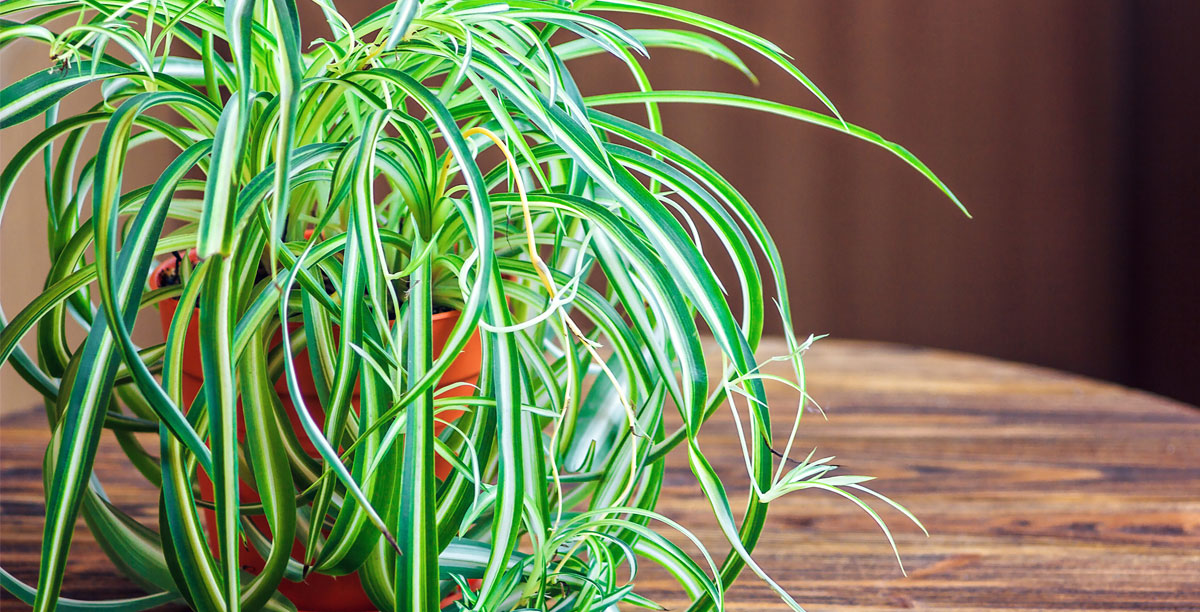
Suitable potted plants also serve to increase the humidity in the room air. However, this only works if there are multiple plants. It is important to ensure that the plant species chosen are not toxic to the birds so as not to endanger them during free flight. For example, the spider plant is suitable, as it is easy to care for and does not pose a danger to animals. Another advantage of houseplants is that they filter pollutants in the air and therefore improve air quality. It is important to ensure that mold does not form on the soil.
Electric humidifiers
Electrically powered humidifiers are a great option for increasing humidity. Here you can usually set the exact desired value.
Leer mas The cat pees in the house: what to do?
On the one hand there are steam humidifiers, which heat the water and let it escape in the form of water vapor, and on the other hand there are cold air humidifiers, in which the water is not heated but evaporates via ultrasound or fans. Both have advantages and disadvantages. Steam humidifiers kill bacteria and germs through heating, but they can pose a danger to birds and people due to the heat they generate. They must therefore be installed in such a way that birds cannot access them under any circumstances. This danger does not exist with cold air humidifiers, but it is necessary to clean them carefully to prevent them from becoming «germ spinners». Strict hygiene must be observed here by replacing water containers daily and cleaning them thoroughly. Open humidifiers can also become a deadly trap for birds, which is why they must always be closed or protected from access.
So-called “air washers” work similarly to cold air humidifiers, but instead of ultrasound or fans they use rotating plates that evaporate the water on the one hand and on the other filter or wash the feather dust from the air. This significantly improves the internal climate, but maximum attention must also be paid to hygiene and daily cleaning to avoid the formation of mold and germs.
Important: Decorative indoor fountains should be avoided. They may look nice, but they are ideal conditions for bacteria. Many birds are magically attracted to fountains and bathe in them. If the water is contaminated with bacteria, this can have fatal consequences. So, for the sake of your pets, avoid this option. A birdbath, on the other hand, is also useful in winter, so that birds can moisten their feathers and skin. The water should be changed daily and the bathroom kept clean.
Don’t overdo it: too much humidity is also harmful!
Make sure the measures you take don’t cause the humidity to get too high. Starting from around 70% humidity, mold can form which can cause health problems. It is therefore of fundamental importance to find the right balance and not obtain too low or too high humidity in the rooms.
Leer mas Punish a dog? Please don’t do this! | So how can I correct my dog’s behavior?
Don’t forget to ventilate
Ventilation is important to ensure sufficient oxygen in the room and air exchange and thus create a better indoor climate. It also serves to prevent the formation of mold in environments with high humidity. It is therefore important to ventilate even in winter. The best method is shock ventilation. So open the window at least twice a day for a few minutes and then close it again. Make sure the bird cage is not exposed to drafts. To protect your birds, you can hang a blanket over the cage while you air it.
Suggestion: Another problem, especially in winter, is the lack of light. UV light, which birds need to see colors and for certain metabolic processes, is blocked by window glass. In winter there is a short period of brightness. Therefore birds should be equipped with a UV lamp all year round. Make sure you make them «flicker-free» by using a power supply. Unlike us humans, birds can perceive flickering which, as you can imagine, is extremely unpleasant for them.
Conclusion
Most pet birds need a humidity level around 60%. In their native habitats the air humidity is usually much higher, but in living environments this is not possible due to the risk of mold. To increase humidity you can use conventional measures, such as a water bowl on the heater, or use electric humidifiers. It is a good idea to keep an eye on the room climate with a hygrometer. If the humidity is too low, the risk of diseases such as respiratory infections, pneumonia or the dreaded aspergillosis increases. To keep our birds fit during the winter, it is important to ensure adequate humidity.
latest posts published

Belgian Malinois: characteristics of the dog breed

Norwegian Buhund: characteristics of the dog breed
Caring for the Chinese Water Dragon

The best brushes for cats
How to choose the best chew toys and treats for your dog

How to train your puppy to walk on a leash

Czech Terrier (Cesky Terrier): characteristics of the dog breed

Pembroke Welsh Corgi: characteristics of the dog breed

The best bags for carrying cats