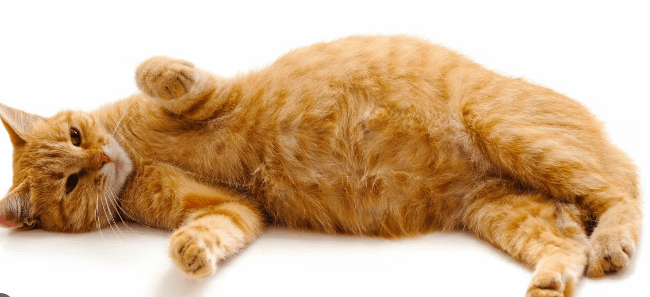
A grown cat that has reliably used the litter box for years is now suddenly urinating just outside of it. This behavior doesn’t mean your cat has forgotten its training, even temporarily, and it‘s definitely not an attempt to be bothersome. Explore the possible reasons behind this change and discover helpful solutions in this blog!
Does your cat urinate or spray?
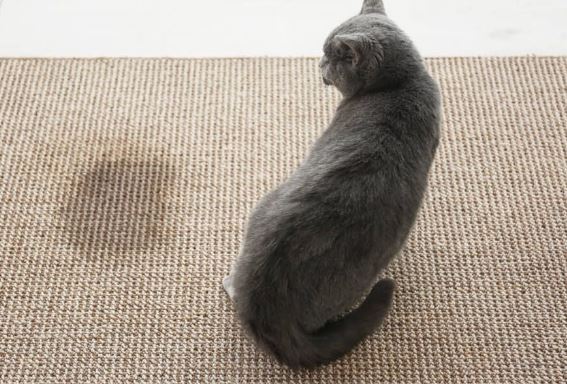
Cats urinate and spray. Spraying means that a cat is marking its territory with urine or that it is trying to make something clear to you (for example, that you don’t feel well). Urinates against vertical surfaces while standing and with tail raised and contracted. These are small amounts of urine that seem a little fatty than normal urine. Plus the smell is stronger. Spraying behavior occurs in both females and males. Unneutered cats spray more often than neutered cats.
Causes if your cat pees in the house
There may be various reasons why your cat urinates indoors despite having been house-trained. The underlying causes are often psychological or medical problems:
Leer mas Punish a dog? Please don’t do this! | So how can I correct my dog’s behavior?
1. Psychological causes
A new cat in the family
When a new cat joins the family, the existing house cat may resist. Sometimes multiple cats don’t get along, especially if they have to share a litter box. The result: your cat pees in the house in protest!
A change in the environment
A change in your cat’s territory can also cause him to pee in the house. Think about moving, a new family member like a baby, or even a new cat next door.
A traumatic experience
Your cat may associate his litter box with trauma. For example, she was scared of something, attacked or suffered pain. A new litter box in a new location in the house can solve this problem.
Feelings of fear
Has your cat peed on the bed or in the laundry basket? This could mean that your cat is anxious and feels safe enough to do its business with its owner. Things that smell enough to make the owner feel safe.
Leer mas How much food does my cat need?
2. Medical problems
Bladder infection or cystitis
A bladder infection is usually caused by stress. This causes your cat… urinates more often and finds it more difficult to hold urine. Urinating then hurts and your cat associates it negatively with its litter box, so it avoids it. There are painkillers, anti-inflammatories for bladder infections or a special diet for bladder infections, but it is best to ask your vet for advice!
Kidney failure, thyroid or liver failure or diabetes
Kidney failure, thyroid and liver problems, or diabetes can lead to increased water consumption. And this automatically goes hand in hand with an increased urge to urinate and poorer bladder control. The best thing to do is go to the vet to have your beloved cat examined.
Important: Don’t underestimate the added value of a healthy diet for a healthy urinary tract and weight. Adapted cat food can therefore be the solution if your cat suddenly pees in the house.
What can you do if your cat pees in the house? 7 tips!
1. Don’t punish your cat
Have you ever heard of sticking your nose in his pee when he pees outside the litter box? We do not recommend this 100% as it causes additional stress and makes the problem worse. Cats are clean animals and are house-trained for good reason. Punishing you here is useless.
Leer mas Neon Red Profile | Fish-friendly accommodation and assistance
2. Insulate parts of your home
This limits the places that can serve as toilets. Did he urinate in the house? Clean this area with products that emit a strong odor while removing a strong odor.
3. Move the litter box
Does your cat always urinate in the same place but not in the litter box? Reposition the litter box in this location.
4. Give your cat enough attention
Is there a new family member in the house? If so, you should pay a little more attention to your house cat. Are there more cats in the house? The rule is: one litter per cat.
5. Make her feel calm and confident
Cats also want to satisfy their needs in a quiet and safe place. Therefore, avoid places such as next to a washing machine, stairs or dishwasher. Even a window through which other cats can look quickly discourages cats. Is the litter box near food or water… Do you like eating on the toilet?
Leer mas Healthy or sick bird? | Body, movement and posture
6. Keep the litter box clean
Hygienic cats, hygienic cat litter: clean the litter box every day and use highly absorbent, odorless and fine-textured litter. In the wild, cats seek out sand to satisfy their needs
7. Make sure there is enough space.
The smallest room in the house, but please not too small. Research shows that cats prefer an open litter box. Bad odors can linger in a closed box and make the litter box unattractive. Additionally, the litter box should be one and a half times larger than your cat.
Do you have a kitten at home who still needs to learn to be clean? We are happy to help you! In our blog «How can I house train my kitten?» you will find the best advice
latest posts published

Belgian Malinois: characteristics of the dog breed

Norwegian Buhund: characteristics of the dog breed
Caring for the Chinese Water Dragon

The best brushes for cats
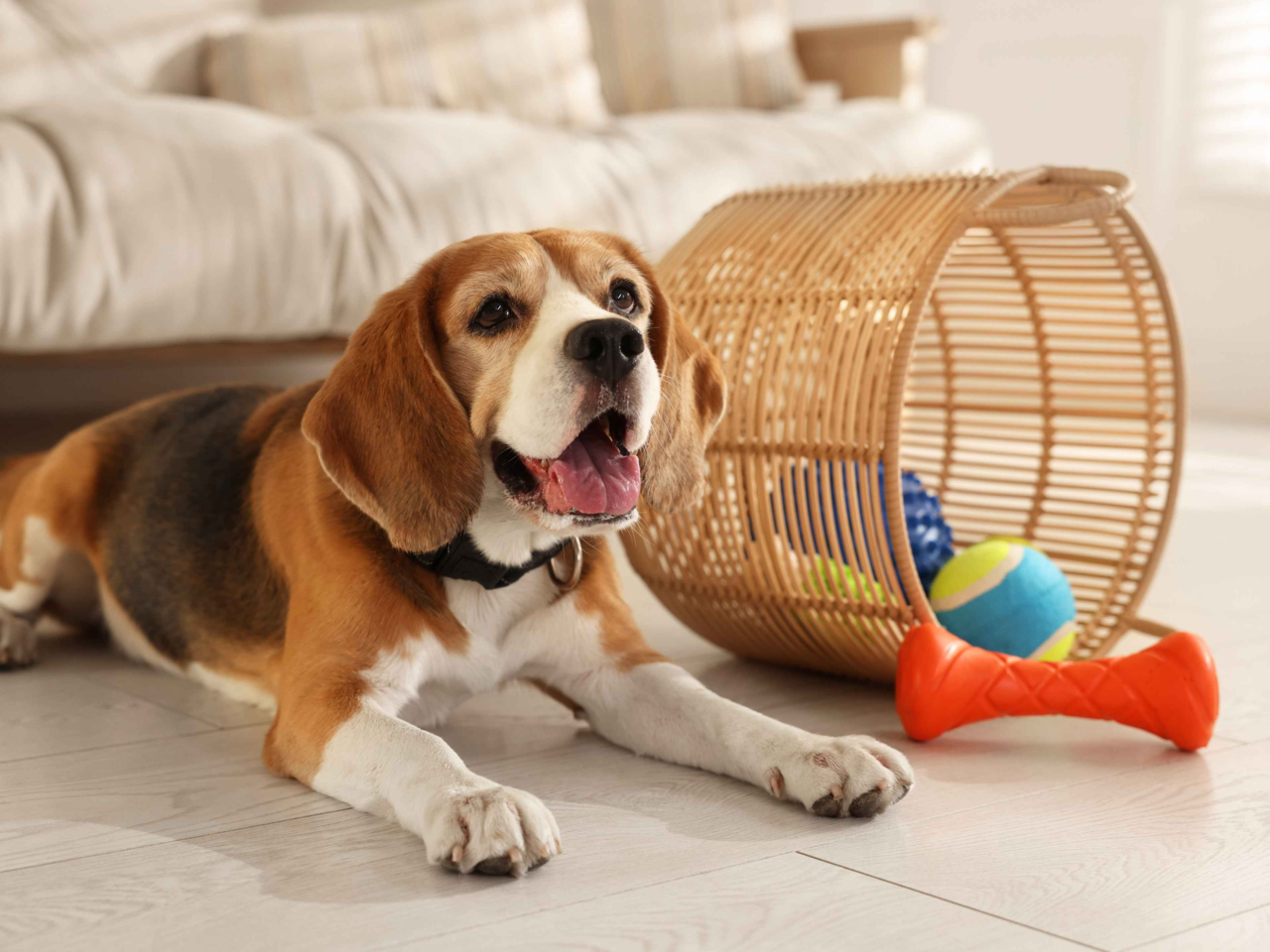
How to choose the best chew toys and treats for your dog

How to train your puppy to walk on a leash

Czech Terrier (Cesky Terrier): characteristics of the dog breed

Pembroke Welsh Corgi: characteristics of the dog breed

The best bags for carrying cats