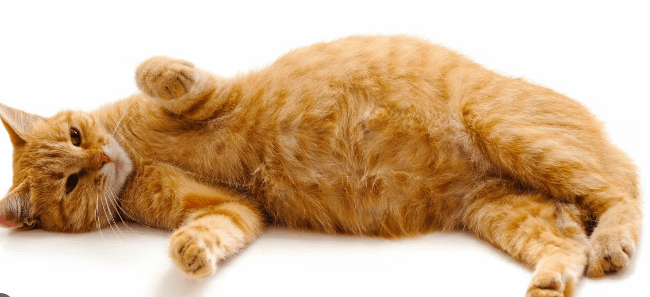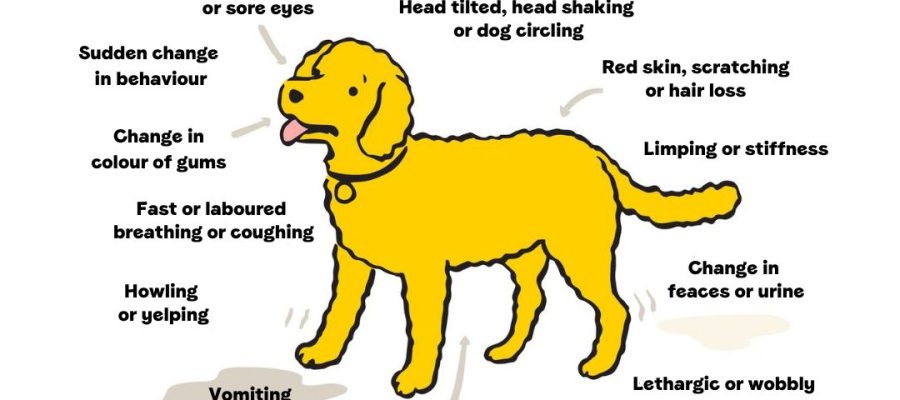
Pets are faithful companions in our lives, which is why their health becomes no less important to us than that of our loved ones. However, dogs, cats or other animals do not know how to express their state in words, so we can only understand their mood through behavior and physical signals. The animal’s body often manifests the disease with subtle, at first glance insignificant changes, so the owner’s vigilance is an essential factor in providing help in time. The earlier you notice warning signs, the greater your chance of preventing more serious problems.
Changes in eating habits

Food is one of a pet’s most important needs, so changes in appetite are one of the clearest signs. If a cat or dog suddenly refuses its usual food, it may be a sign of stomach, liver or even infectious diseases. Some animals choose only certain products or avoid dry food altogether: this can also indicate dental or oral problems.
On the other hand, increased appetite cannot be less dangerous. A sudden increase in the desire to eat constantly is sometimes associated with endocrine diseases, such as diabetes or thyroid disorders. Likewise, thirst: an animal that drinks much more than usual may have serious kidney or hormonal problems.
Leer mas Cat skin diseases and their symptoms
Changed activities and energy levels
A pet’s activity level is often the first indicator that something is wrong. If a previously energetic dog suddenly becomes lethargic, avoids walking, has difficulty getting up, or tires quickly, this may indicate heart, lung, or joint problems. Cats that normally like to explore their surroundings may start to hide more, which is often associated with pain or discomfort.
The opposite behavior – hyperactivity, restlessness or constant pacing – also signals problems. It can be a reaction to pain, fever or even nervous system disorders.
Behavioral changes that send a signal
Animals are sensitive to environmental changes, but their behavior often changes due to health problems. A dog that suddenly begins to avoid its owner may be in pain. A cat that becomes more aggressive or hisses more often may be suffering from internal illnesses or infections. Such signs should never be ignored as they often occur before any obvious physical symptoms.
Furthermore, mood swings, more frequent barking or meowing, restlessness at night or excessive need for sleep: all these changes are a clear sign that attention must be paid to the animal’s well-being.
Leer mas Pregnancy in cats: duration, characteristics of birth and help
Physical symptoms and their relationship to behavior
Some symptoms are very direct: vomiting, diarrhea, coughing or sneezing. However, it is not uncommon for the animal to start behaving abnormally beforehand: it licks or chews a certain part of its body, scratches itself more often, limps or refuses to climb stairs. Even a small change in weight over a short period of time is a serious sign.
Oral health is also important: bad breath, salivation, dental plaque or bleeding gums not only impair quality of life, but can also indicate more serious systemic diseases. Behavioral changes are often the first step in realizing that your body no longer feels good.
Changes in sleep habits
Like humans, animals have a set sleep pattern. When it changes, it’s worth worrying about. If a dog or cat is sleeping much longer than usual, has trouble waking up, or seems tired all the time, it could be a sign of a hormonal imbalance, an infection, or another illness. Sometimes sleep disturbances also occur due to pain: the animal cannot find a comfortable position, constantly changes places or walks restlessly at night.
When to go to the vet?
While some changes may be temporary and related to factors such as climate change or small changes in diet, most of them should not be ignored. Particularly dangerous signs are loss of appetite that lasts more than a day, persistent vomiting, blood in the stool or urine, persistent limping, shortness of breath, or sudden weight loss. In these cases it is necessary to immediately consult a veterinarian.
Leer mas Cleaning and caring for cats’ teeth
The earlier the disease is detected, the easier it is to treat it, so even the smallest changes in behavior deserve attention. The veterinarian will carry out the necessary examinations, determine the cause and help restore the animal’s health.
ALL
How long can I wait before going to the vet?
If your pet’s behavioral changes last more than 24-48 hours or other symptoms occur at the same time, you should not wait. Timely help is very important.
Do changes in appetite always indicate illness?
Not always. Sometimes animals may refuse food due to stress, travel or environmental changes. However, if the loss of appetite continues for more than a day, it could indicate a more serious problem.
Are behavioral changes normal in older pets?
Some slowing down is natural, but a sudden increase in drowsiness, restlessness, or aggression is not normal and may be a symptom of illness.
Leer mas The Manx cat is a unique tailless breed native to the Isle of Man
How do you know if a pet’s thirst is excessive?
If the pet begins to drink much more than before and continues for several days, this may indicate kidney or hormonal diseases. In this case, consultation with a veterinarian is necessary.
The daily care that changes the life of a pet
A responsible owner should monitor their pet not only when he is sick, but also daily, to note his mood, eating habits and activity level. Even the smallest changes in behavior can provide important health information. Daily attention and care make it possible not only to prevent serious diseases, but also to ensure that the animal lives a long, happy and quality life next to its owner.
latest posts published

Belgian Malinois: characteristics of the dog breed

Norwegian Buhund: characteristics of the dog breed
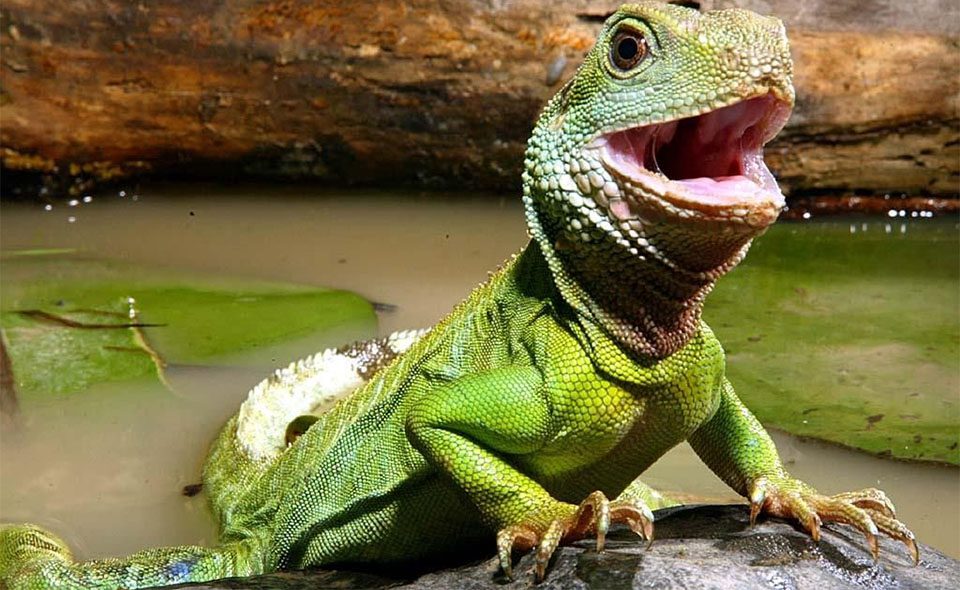
Caring for the Chinese Water Dragon

The best brushes for cats

How to choose the best chew toys and treats for your dog

How to train your puppy to walk on a leash

Czech Terrier (Cesky Terrier): characteristics of the dog breed

Pembroke Welsh Corgi: characteristics of the dog breed

The best bags for carrying cats