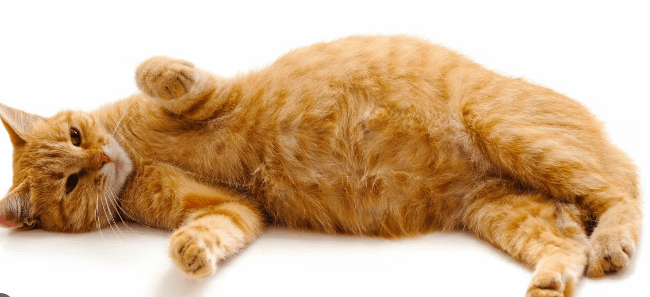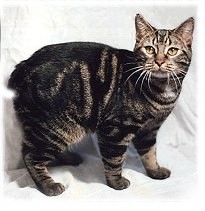
The Manx cat is one of the most particular cat breeds in the world, famous for its absence of a tail and its origin from the small Isle of Man, located between Great Britain and Ireland. This cat is a true rarity of nature, having inherited a unique characteristic thanks to genetics: the total or partial lack of tail. However, the charm of the Manx cat lies not only in its appearance, but also in its character traits. They are loyal, intelligent and social creatures, perfect for both families and individuals. In this article we will discuss the origins, appearance, character, health characteristics and care needs of the Manx cat – everything you need to know before making the decision to adopt this unusual cat.
Origin of the Manx cat
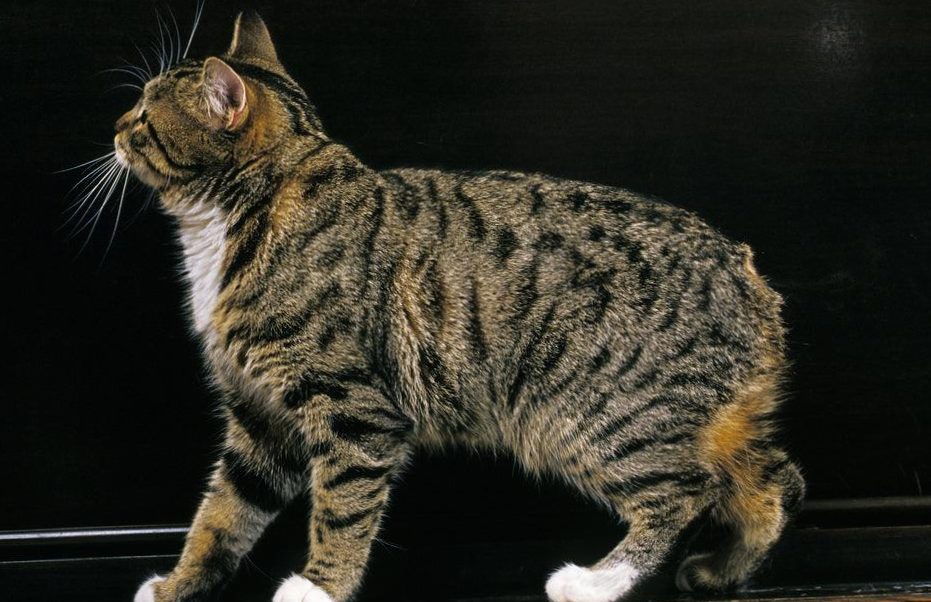
The origins of the Manx cat date back several centuries ago, when specimens of this animal breed were found on the Isle of Man. Legend has it that the cats lost their tails when Noah closed the ark and accidentally crushed it, but the real explanation is genetic. The lack of the Manx tail is caused by a natural mutation, the so-called Manx gene, which stops the growth of the caudal part of the spine. This mutation spread rapidly due to the island’s isolation, making tailless cats common and eventually recognized as a breed in their own right. They later spread to the United Kingdom and other European countries.
Appearance and physical characteristics
Manx cats are medium in size but have a very strong build. Their hind legs are longer than their front ones, which is why Manx cats have a characteristic «hopping» gait. The coat can have a short or semi-long structure, depending on the line, and the color range covers almost every shade variation known to cats, from solid colors to those with heavy patterns.
Leer mas Why doesn’t my dog eat? Main causes and solutions
Based on the length of the tail, Manx cats are divided into several categories:
- Noisy – completely tailless, usually considered the classic Manx variant.
- Irregular rise – has only a few tail vertebrae, almost imperceptible.
- Stumpy – with a short tail.
- Long – the tail has an almost normal length, but still shorter than the tail of a normal cat.
Characteristic and behavioral characteristics
Manx cats are exceptionally social. They are very attached to their owners, love human attention and highly value communication. They are often described as «lapdogs» because they follow their owners around the house, are willing to socialize, and even learn to fetch toys. These cats are generally not aggressive, so they get along well with children and other animals if introduced gradually.
Another feature of the Manx cat is a highly developed hunting instinct. Although they are happy to live at home, they still like to play with small «prey»: mice or toy balls. Due to their high intelligence, they learn quickly and are prone to interactive play, so it is easy to teach them various commands or tricks.
Health and possible problems
A genetic mutation that causes Manx cats to lack tails can affect spinal development in some cases. Sometimes this feature causes the so-called «Manx syndrome», which is associated with defects in the spinal nervous system. This can lead to problems with coordination, holding in urine or stool. However, responsible breeders carefully select mates to prevent the transmission of this genetic anomaly.
Leer mas The most popular cat names and their meanings
On average, healthy Manx cats live 12-14 years or more. They rarely suffer from hereditary diseases, except for the mentioned cases of the nervous system. It is important to visit the vet regularly, undergo preventive vaccinations and monitor weight to avoid joint problems.
Care tips
Manx cats require moderate maintenance. They are not very demanding, but some aspects help make them feel good and look good.
- Fur care: Short-haired Manx cats should be brushed once a week, while short-haired cats should be brushed 2-3 times a week to avoid tangles.
- Nutrition: A balanced diet is extremely important. A diet high in protein and low in carbohydrates is recommended. Overeating should be avoided, as disproportionate body weight can damage the spine.
- Activities and games: Manx cats like to be kept busy, so they need smart toys, climbing frames, hiding places, and interactive play with their owner.
- Veterinary care: An annual spinal check is recommended, especially if the cat was born without a tail.
Manx cat in the family
Thanks to their gentle and loyal nature, Manx cats are ideal for families with children. They like to participate in various family activities, be around people and even observe what is happening around them, like a guardian. It’s true that they can be shy around new visitors, but once they get used to them they become friendly and curious. This cat is able to adapt perfectly to the various rhythms of life: both a quiet home life and an active home life.
Frequently Asked Questions (FAQ)
Are all Manx cats tailless?
No, not all. Some have tails that are shorter or near normal length, so Manx cats are divided into different types based on tail length.
Leer mas Cleaning and caring for your dog’s teeth
Are Manx cats suitable for an apartment?
Yes, they make great house cats. He likes to be with one person and his energy level is not too high. However, it is important to provide them with enough space for play and movement.
Does the Manx cat require special care?
The main care is proper nutrition, regular brushing and veterinary checks. More attention should be paid to the condition of the spine and joints.
Do Manx cats get along with other animals?
Mostly yes. They are friendly and outgoing, although they can be cautious at first. Over time they adapt perfectly and become closer to other pets.
The Manx cat is a unique companion to the Isle of Man
The Manx cat is not only an animal with a unique appearance, but also a special character. Its absence of a tail is a natural oddity that distinguishes this breed from all others. These cats are prized around the world for their love, loyalty, and ability to bring a sense of peace to their owners. If you are looking for an intelligent, friendly and at the same time unique cat, the Manx cat can be the perfect choice for both a family and a single person who wants a faithful companion for life.
Leer mas How pets help reduce stress and blood pressure
latest posts published

Belgian Malinois: characteristics of the dog breed

Norwegian Buhund: characteristics of the dog breed
Caring for the Chinese Water Dragon

The best brushes for cats

How to choose the best chew toys and treats for your dog

How to train your puppy to walk on a leash

Czech Terrier (Cesky Terrier): characteristics of the dog breed

Pembroke Welsh Corgi: characteristics of the dog breed

The best bags for carrying cats