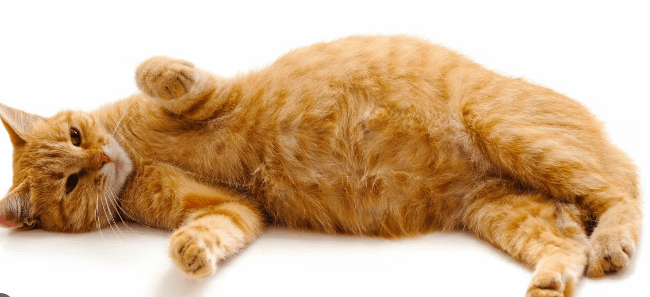
The most common skin diseases in cats and their symptoms. Cat skin diseases can arise for various reasons and can be linked to infections, allergies or more serious endocrine diseases, kidney health problems. Skin diseases in cats often cause not only discomfort, but also other inconveniences to our little four-legged family friends.
To ensure the well-being of your cat, a responsible owner must know what the most common skin diseases in cats are, how they manifest themselves and when to consult a veterinarian.
Signs of skin diseases in cats
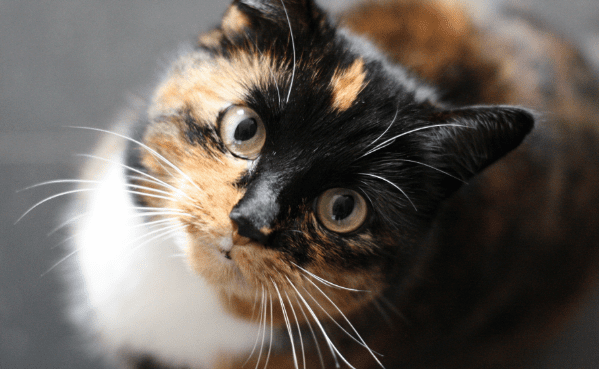
- Unexplained redness or itching of the skin. If you notice that your cat continues to scratch objects in the environment or with his paws, or that his skin turns red, it could be a sign that he has a skin problem.
- Skin changes. If you notice flaking, scaling, pus, or rashes on your cat’s skin or fur.
- Unusual and unusually abundant hair loss – feeding cats. If you notice that your cat is shedding more than usual or that his fur is thinning, it could be a sign of a health problem.
The most common skin diseases in cats
Dermatitis
It is one of the most common skin diseases in cats, which can be caused by allergies, infections or malnutrition. Dermatitis manifests itself with redness of the skin, itching, peeling or wounds of the skin, hair loss.
Leer mas Pregnancy in cats: duration, characteristics of birth and help
Fungal infections
Feline skin fungus – is an infection that often manifests itself in the characteristic round patches of bald skin in cats, flaking and causes itching, skin changes – redness, rashes, sores.
Feline skin fungus can be transmitted from one cat to another, to dogs, to owners, so it is very important to notice and treat this type of infection in time.
How to identify cat skin fungus?
- You will notice that your cat’s skin becomes scaly and they may develop round or irregularly shaped rashes.
- Your cat may experience persistent itching or rubbing against environmental objects. It does this to relieve the discomfort caused by itching.
- Skin fungi in cats can cause hair loss or baldness.
- A fungal infection can cause redness and swelling of the skin, especially around the areas affected by the fungus.
If you suspect that your cat may be suffering from skin fungus, contact a veterinary clinic immediately, as only a doctor will be able to make an accurate diagnosis and prescribe the appropriate treatment.
Furthermore, only a veterinarian, a dermatologist, can prescribe drugs that will need to be administered or applied to the skin, fur and shampoos for direct antifungal effects.
Leer mas Cleaning and caring for cats’ teeth
Parasites of the skin and fur of cats
Fleas, ticks and other cat skin and fur parasites can cause various diseases and skin problems in cats. Cat fleas can cause itchy and red skin.
If a cat scratches its itchy skin with its claws, it can damage the skin and a secondary inflammation of the skin caused by fleas – dermatitis – may develop. It is also important to remember that fleas are carriers of parasites of the digestive tract, so it is very important to treat cats with drugs against stomach and intestinal worms when killing fleas.
Ticks can transmit infectious diseases to cats that affect many internal organs (kidneys, liver, etc.).
Feline folliculitis
This is an inflammation of the hair follicles, which often manifests itself as acne or pustules on the skin. This condition can be painful and cause great discomfort to cats.
Leer mas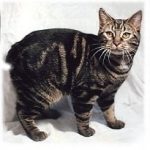 The Manx cat is a unique tailless breed native to the Isle of Man
Why does the cat eat?
Your cat may shed for a variety of reasons, including malnutrition, stress, allergies or parasites. It can also be a seasonal phenomenon, when the cat sheds its fur in winter or summer. It is important to ensure that your cat eats a complete diet based on its lifestyle needs, drinks enough water and is active.
According to the latest global veterinary trends, cats should be checked once a year to prevent more serious health and skin problems.
What to do if the cat eats?
To help your cat eat less and keep its fur healthy and shiny, you need to pay attention to several factors:
- Correct nutrition. Make sure your cat receives a balanced diet appropriate for its age, size and health. High-quality food that meets his nutritional needs helps maintain healthy skin and coat. Clean the cat’s litter box, keep the sleeping area clean to reduce the amount of bacteria and allergens that can affect the fur.
- Regular hygiene. Daily or at least regular brushing of the cat’s fur helps to remove unwanted hair that has not fallen out in time and can cause skin problems: feline skin folliculitis.
- Stress reduction. Stress can affect your cat’s coat, skin and overall health. A stressed cat’s immune system weakens. Make sure your cat has a safe, calm environment where he can feel safe and comfortable.
If you notice your cat overeating out of season, or if you notice symptoms of fur and skin problems, consult your veterinarian. Only a veterinarian-dermatologist can advise on proper care and, if necessary, prescribe special treatment.
Leer mas Why doesn’t my dog eat? Main causes and solutions
When to consult a vet for cat skin problems?
If you notice any symptoms or changes in your cat’s skin, the most important thing is to contact your vet as soon as possible to ensure the infection is diagnosed and treated appropriately, thus preventing the spread and alleviating your cat’s discomfort.
Premature treatment of feline skin diseases can lead to more serious health problems. However, some diseases can progress and cause long-term or even irreversible consequences on your cat’s health. Additionally, the itching and discomfort caused by many skin conditions can cause a lot of stress to your cat, which is a serious health problem.
Do not delay a visit to the doctor to prevent more serious problems and ensure the well-being of your pet in time.
Begemoto Veterinary Clinic provides all services related to cat skin. Veterinarian – dermatologist ensures proper diagnosis, treatment and prevention of cat skin diseases and other problems.
latest posts published

Belgian Malinois: characteristics of the dog breed

Norwegian Buhund: characteristics of the dog breed
Caring for the Chinese Water Dragon

The best brushes for cats

How to choose the best chew toys and treats for your dog

How to train your puppy to walk on a leash

Czech Terrier (Cesky Terrier): characteristics of the dog breed

Pembroke Welsh Corgi: characteristics of the dog breed

The best bags for carrying cats