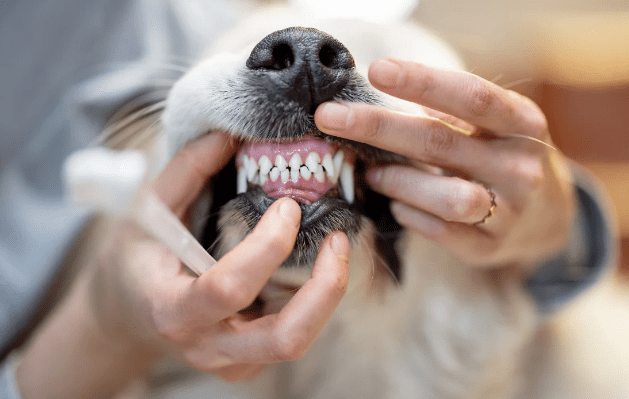
Dogs have dental problems and need dental care just like humans. Many of us don’t examine our dogs’ teeth and gums and often, because of this, a loose tooth can be difficult to spot. In many cases, the underlying causes of tooth loss in dogs, such as periodontal disease, have no obvious symptoms. It’s important to know the symptoms so you can receive the care and treatment you need to keep your dog happy and healthy.
Normal tooth loss in puppies
A loose tooth is not always something to worry about, it is normal for puppies to lose their teeth as they grow. Puppies are born without teeth and remain so for the first few weeks of life. Baby teeth, also called deciduous teeth, begin to appear between three and five weeks of age. Puppies have a total of 28 baby teeth and begin to lose them to make room for adult teeth. By the time the puppy reaches six to seven months of age, all baby teeth have fallen out and all 42 adult teeth have emerged.
In some cases, baby teeth do not fall out as they should, resulting in a retained tooth. A retained tooth is a baby tooth that is still present in the mouth after the adult teeth have erupted. The most common impacted teeth are the upper canines, but it can happen to any tooth. Retained teeth can lead to problems such as dental disease.
 Litter box basics every cat owner should know
No two teeth should be in the same socket at the same time. In this case, make an appointment with your vet and he will most likely recommend that you have the baby tooth extracted to prevent future problems. Your veterinarian will take extra care when extracting any retained teeth to avoid damaging the immature roots of the new permanent tooth.
Symptoms of Tooth Loss in Dogs
- Bad breath (halitosis)
- Redness or bleeding along the gum line
- With excessive salivation, which may be tinged with blood, you may notice bleeding when your dog plays with a chew toy or near his food or water bowl.
- The paws are often brought to the mouth
- Difficulty chewing; your dog may only chew on one side of his mouth or may have difficulty picking up and holding food in his mouth
- Facial swelling
- Loss of appetite
- Runny nose and/or sneezing
- Swelling or abscesses in the mouth
- Pain or tenderness in the mouth
See also: Best toothpaste for dogs
Causes of tooth loss
Puppies’ teeth may become loose when they lose their baby teeth, which is normal, as discussed above.
Periodontal disease, which is inflammation or infection of the tissues surrounding the tooth. Periodontal disease occurs when the buildup of plaque and tartar causes periodontal pockets or gum recession around the tooth attachment. If left untreated, the infection often spreads deeper into the tooth socket, destroying the bone. Eventually, the tooth becomes loose and may fall out over time. Unfortunately, this is one of the most common causes of a dog’s tooth loss and means that your dog needs a vet visit as soon as possible.
Leer mas How to Train Your Dog the «Down» Command
Trauma or personal injury such as car accidents, falls, fights or bites caused by unsuitable hard materials such as stone or metal.
Jaw or gum cancer can damage the gum and bone that is supposed to hold the teeth firmly in place.
Losing baby teeth is a normal part of life, but losing adult teeth can be a sign of advanced gum disease, which is painful for dogs. Dental disease is more common than you think, and dogs are pretty good at hiding it.
The American Veterinary Medical Association states that by the time your pet is 3 years old, he or she will show many early signs of periodontal disease, which will get worse as your pet grows unless effective preventative measures are taken. Routine dental cleanings and vet extractions, when appropriate, are ways to keep your dog’s mouth healthier.
Leer mas How to train your dog to accept a new baby
Treatment
In all cases other than normal puppy tooth loss, a loose tooth is something that needs veterinary intervention and the situation will not improve on its own or with home brushing alone.
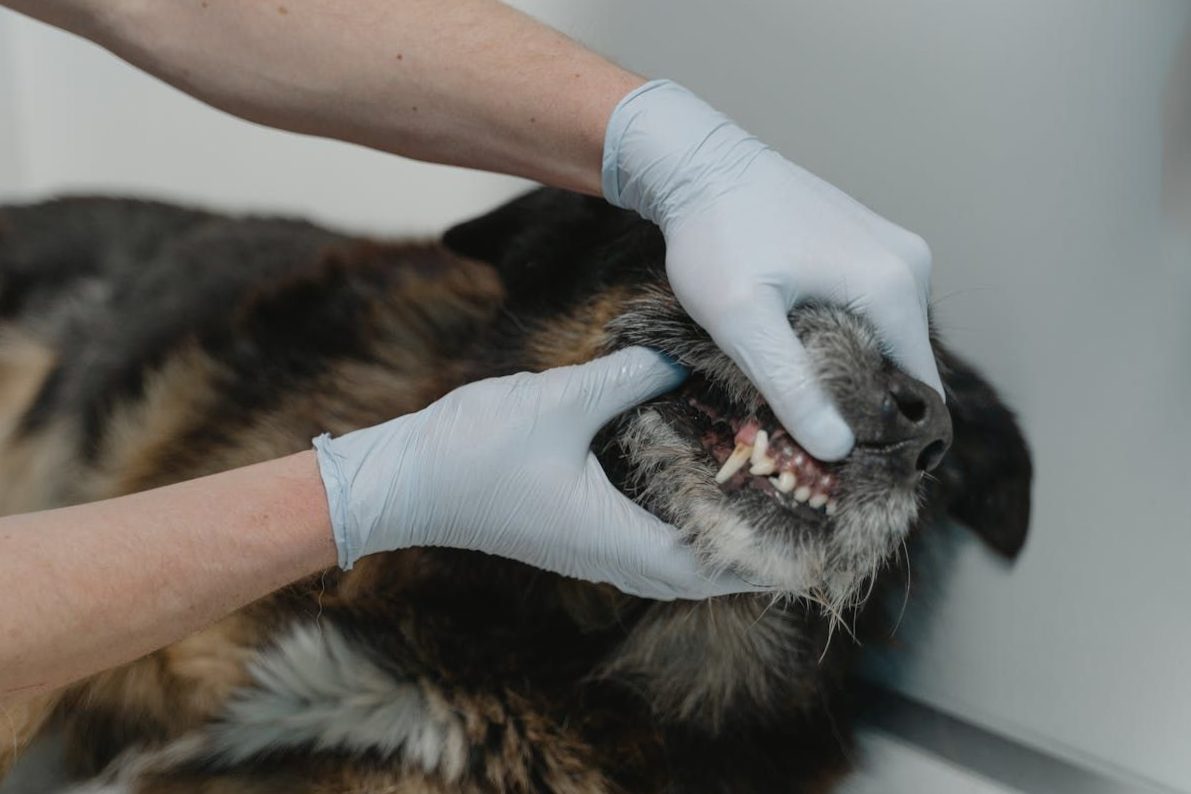
If you suspect your pet has a loose tooth, consult your veterinarian. They will start with an examination and if a loose tooth is noticed, a tooth extraction under anesthesia will most likely be recommended along with a dental cleaning.
Before dental cleaning and before anesthetizing your dog, your veterinarian will perform blood tests on your dog. This is to identify any problems the vet needs to be aware of and to determine whether the pet is healthy enough to handle anesthesia well.
Unlike when going to the dentist, to get the best dental evaluation and care, our pets must be anesthetized during the dental procedure. Anesthesia is necessary because it allows you to sedate your pet so the vet can perform a thorough examination of the entire oral cavity (including below the gum line), take x-rays (to look for «hidden diseases»), and clean the teeth thoroughly and safely.
Leer mas Information about caring for dogs in a special center
This also ensures a safe and comfortable experience for your pet while reducing levels of anxiety, stress and pain. It also helps protect the airway from water or debris that might otherwise enter the pet’s lungs during the procedure.
A dental cleaning will include a thorough dental exam, dental x-rays, and cleaning and polishing of the teeth to remove disease-causing tartar and periodontal plaque. Your veterinarian will extract diseased teeth as needed based on the x-ray and dental exam. This is done while your dog is under general anesthesia.
Treating your dog’s mouth in this way is much more comfortable for an animal than allowing periodontal disease to progress into a serious condition (which is quite painful for dogs). Dental radiographs (X-rays) will be taken to evaluate the health of your jawbone and tooth roots below the gum line. Because most dental disease occurs below the gum line, where you cannot see it, a thorough dental cleaning and evaluation is performed under anesthesia.
Finally, your vet will prescribe antibiotics and pain relievers as needed.
How to prevent tooth loss in dogs
Annual veterinary exams: Seeing your vet for annual exams helps you avoid medical emergencies, as they can spot conditions or illnesses that affect your dog’s health long before they become significant, painful, or more expensive to treat. Preventive care is better than reactive care.
Preventive dental cleanings at the vet: Preventive cleaning, just like we do in our dental office, is becoming standard for dogs. For animals, this requires anesthesia, but it is an important part of keeping them healthy. Ask your vet when it’s time to do this for your dog.
Daily tooth brushing: Brushing your dog’s teeth can help prevent or slow the progression of dental disease in your dog. When you do this, be sure to purchase toothbrushes and toothpaste specifically for dogs. Human toothpaste contains ingredients that should not be swallowed and may cause stomach upset or digestive upset.
Offer toys and treats that are safe for daily chewing. Your veterinarian can help you decide which options are right for you and your dog.
Read also: The best nail clippers for dogs
latest posts published

Belgian Malinois: characteristics of the dog breed

Norwegian Buhund: characteristics of the dog breed
Caring for the Chinese Water Dragon

The best brushes for cats

How to choose the best chew toys and treats for your dog

How to train your puppy to walk on a leash

Czech Terrier (Cesky Terrier): characteristics of the dog breed

Pembroke Welsh Corgi: characteristics of the dog breed

The best bags for carrying cats