
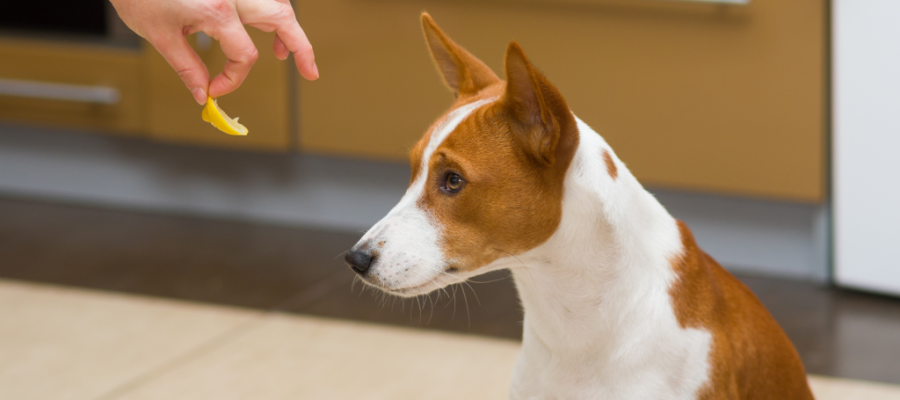
If you notice your dog not eating, it can cause concern and raise questions. Refusal to eat can be the result of both serious health problems and temporary situations.
However, it is important to know how to identify the various causes and take appropriate action. In this article we will discuss why dogs refuse to eat in general, why dogs refuse to eat dry food, what to do if your dog is vomiting and not eating, and how to respond when your dog is shaking and not eating.
We also remind you that if your dog has health problems you must contact the Begemotas veterinary clinic in Vilnius, open EVERY DAY.
What are the main reasons why a dog doesn’t eat?
- Health problems – when a dog doesn’t eat or drink, this is often the first sign that something is wrong with his system. One of the main reasons for this is disease, such as:
- Digestive tract disorders. If your dog is vomiting and not eating, this could indicate poisoning, a foreign body in the stomach, or a stomach or intestinal infection.
- Oral problems. If your dog has dental problems such as tooth decay, inflamed gums, or damaged teeth, he may refuse to chew his food. This type of problem can be solved quite easily with a professional oral and dental cleaning procedure.
- Infections or chronic diseases. Illnesses such as kidney failure, diabetes or liver problems can cause a dog to refuse to eat. A dog may also refuse to eat due to viral illnesses if his vaccinations are out of date.
- Stress and emotional factors – a dog will not eat dry food or any other food if he feels stressed. This may be related to changes in the environment (moving house, new pets in the house) or other stressful events. If your dog is shaking and not eating, it could also be a symptom of fear or anxiety.
- Changes in diet – Dogs often refuse to eat when their food is changed. If your dog won’t eat dry food, it may be because he doesn’t like the taste or texture of the new food. Your dog may also be accustomed to homemade food, making dry food unappetizing.
- Age factor – Older dogs may start to eat less due to a slower metabolism or health problems. If your dog is shaking and not eating, it could mean he is suffering from pain or age-related conditions such as arthritis.
How to react if your dog doesn’t eat?
If you notice that your dog is not eating or drinking, you should monitor his behavior and symptoms. Here are some situations and an action plan:
Leer mas The most popular cat names and their meanings
- The dog does not eat dry food – if the dog refuses dry food, check whether he will accept other types of food, such as wet food. If it lasts more than a day and your dog refuses to eat wet food, consult your vet. An examination and additional laboratory tests may be necessary.
- The dog vomits and doesn’t eat anything – vomiting and complete refusal to eat are serious symptoms. This could indicate poisoning, viral infection, or a foreign body in the stomach. Contact a veterinary clinic immediately.
- The dog trembles and does not eat – if the dog trembles, he may feel severe pain, fear or suffer from hypothermia. Note any additional symptoms and contact a veterinarian immediately.
- The dog does not eat or drink – Dehydration can be very dangerous. If you notice that your dog isn’t drinking water, you can offer him a needleless syringe or an electrolyte solution specifically designed for animals.
How to help a dog at home?
If your dog’s condition is not very serious, you can try a few things:
- Offer alternative food – if your dog doesn’t eat dry food, try mixing it with wet food or broth. Some dogs prefer cooked chicken, pumpkin puree, or rice.
- Encourage hydration – if your dog is not eatingr drinking, you can offer him water with salt or special electrolyte solutions. You can use a syringe to put water in his mouth, but don’t force it.
- Create a calm environment – when your dog is shivering and not eating, provide him with a cozy and warm place. This will reduce stress and help them feel confident.
- Monitor your dog’s symptoms – watch out for other symptoms such as lethargy, vomiting, diarrhea or unnatural posture. This can help determine the cause of the problem.
- Check your dog’s teeth regularly – Oral problems are a common reason why dogs don’t eat dry food.
- Don’t allow your dog to eat unknown or potentially toxic productswhich can cause poisoning.
- If you notice your dog is vomiting and not eating, do not feed him for several hours to allow his stomach to recover, but make sure he gets enough water.
Many owners do not realize that dogs and humans have different digestive tracts and that what is suitable for humans may be unsuitable or even poisonous for dogs.
When to see a vet?
While some cases can be treated at home, there are situations where veterinary care is needed:
- If your dog has not eaten or drunk anything for a day or more.
- If your dog vomits, he hasn’t eaten anything and appears weak.
- If your dog is shaking and hasn’t eaten and this symptom lasts more than a few hours.
- If there are other obvious health problems, such as the dog urinating blood or visible blood in the vomit or fece
If your dog isn’t eating, it could be a serious sign that shouldn’t be ignored. While some cases of food waste can be addressed at home, ignoring the problem for too long can have serious consequences.
Leer mas Cleaning and caring for your dog’s teeth
The main problems may be related to health problems, stress or changes in diet. If your dog won’t eat dry food, is vomiting and not eating anything, or is shivering and not eating, it’s important to take action as soon as possible.
Do not hesitate to contact the Begemotas veterinary clinic in Vilnius, where experienced specialists will take care of your pet’s health. The clinic is open EVERY DAY, so your pet will receive help at any time.
latest posts published

Belgian Malinois: characteristics of the dog breed

Norwegian Buhund: characteristics of the dog breed

Caring for the Chinese Water Dragon

The best brushes for cats

How to choose the best chew toys and treats for your dog

How to train your puppy to walk on a leash

Czech Terrier (Cesky Terrier): characteristics of the dog breed

Pembroke Welsh Corgi: characteristics of the dog breed

The best bags for carrying cats
