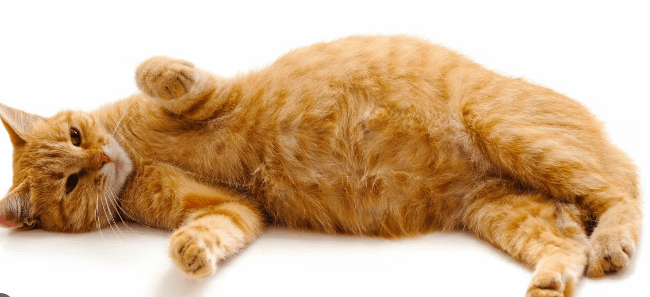
Pets are not only cute companions, but they also have a significant impact on our health. Numerous studies show that the company of animals reduces stress, improves emotional well-being and even helps regulate blood pressure. Dogs, cats and other pets contribute to the psychological balance and physical health of humans, providing peace, warmth and joy. In this article we will discuss how pets can help you stay calmer and healthier and why their effects on the human body are sometimes compared to natural therapy.

Biochemical connection between humans and pets
Communicating with a pet causes real biochemical changes in our body. Scientists have found that petting a dog or cat decreases the amount of cortisol, the stress hormone, in the human body. At the same time, the level of oxytocin, also known as the «love hormone», increases, which promotes trust, calm and a sense of closeness. These changes help to naturally reduce blood pressure and heart rate.
Interestingly, animals sense our emotions and often intuitively know how to calm us. For example, dogs tend to cling to their owners when they are stressed or anxious. Such moments have not only emotional but also physiological benefits. Regular interaction with your pet creates a stronger bond and helps maintain more stable blood pressure in the long term.
Leer mas Cat mammary gland tumors (neoplasms): causes, symptoms, treatment
Physical activity with pets
Dog owners in particular get extra physical activity every day, as walks become an inevitable part of their daily routine. Regular walking or playing outdoors helps maintain normal blood pressure, improves blood circulation and strengthens the heart. Even short walks several times a day are beneficial not only for the animal, but also for its owner.
Additionally, moving outdoors gives you the opportunity to get more fresh air and sunlight, which increases the amount of vitamin D in your body and improves your mood. Walking dogs also helps create a daily rhythm, and a structured routine is important for psychological health as it brings clarity and stability to the day.
Emotional support and stress reduction
Pets often become a source of emotional support. Their presence at home provides security, reduces the feeling of loneliness and helps fight anxiety. Animals are great listeners: they don’t need words, but they provide a sense of warmth and acceptance. This is especially important for people suffering from psychological stress or symptoms of depression.
Many psychologists recommend animal therapy as an additional tool for patients who need emotional support. Therapy dogs, cats or even horses are used to improve patients’ mental health. Experts note that even a brief interaction with an animal can reduce anxiety symptoms and give a person more peace of mind.
Leer mas Sterilized and neutergan cats – Begemotas
Pets and social connections
Raising animals promotes social activity. Dog owners often meet other people by walking their pets in parks or backyards. Such social connections are very important for psychological health: they reduce the sense of isolation and strengthen community.
Even talking about your pet can be the start of communication, giving you more opportunities to build friendships and thus contribute to emotional balance. For children it is a natural way to learn communication skills and for adults it is an opportunity to expand their social circle.
Effects of pets on children and the elderly
Pets help children develop responsibility, empathy and social skills. They also help reduce stress, especially during difficult times in life, such as moving or school challenges. Meanwhile, for older adults, animals provide companionship, help them avoid loneliness and motivate them to be more physically active.
Research shows that seniors who own pets are more likely to maintain better blood pressure and feel less lonely than those who don’t have pets. The animal becomes part of the daily routine, giving meaning and motivation to life. Additionally, seniors who care for an animal tend to feel physically stronger as daily exercise becomes a necessity.
Leer mas Cat Lifespan: How Long Do Cats Live?
Pets as natural therapy
Animal therapy is being accepted by an ever-increasing number of healthcare facilities. Specially trained dogs or cats visit hospitals, nursing homes or rehabilitation centers. Such interaction promotes patient motivation, reduces pre-procedure anxiety and improves mood. Research shows that the presence of animals can also help reduce the sensation of pain.
While not all pets are therapeutic, even a simple family pet can provide the same positive effect. The most important thing is a close relationship with the animal and the ability to relax in its company.
ALL
Do all pets have positive health effects?
Most pets have positive effects, but it’s important to choose a pet that fits your lifestyle. If a person is afraid of dogs or is allergic to cats, these animals can cause more stress than benefit. In this case you can choose alternatives, such as fish or birds, which are also calming and joyful.
Can pets help with hypertension?
Yes, studies show that regular contact with pets helps lower blood pressure. Of course, it is not a substitute for medicine, but an additional means of strengthening health. Doctors point out that, along with a healthy diet, physical activity and adequate rest, pets can play an important role in maintaining overall health.
Leer mas Vaccinations for cats and vaccination | Hippopotamus
How much time do you need to spend with a pet to feel its benefits?
Even ten minutes a day petting or playing with an animal can reduce stress levels. Longer contact further increases the positive effect. Meanwhile, regular daily walks or mindful time with your pet provide long-term benefits.
Little friends, big advantages
Pets enrich our lives not only with emotional warmth, but also with direct health benefits. They help reduce stress, improve mood, regulate blood pressure and encourage movement. Additionally, pets encourage social connections, provide a sense of companionship, and motivate self-care. Animal Society reminds us that caring for others is an integral part of caring for ourselves. Pets therefore become real life companions who help us live every day with more serenity, health and joy.
latest posts published

Belgian Malinois: characteristics of the dog breed

Norwegian Buhund: characteristics of the dog breed
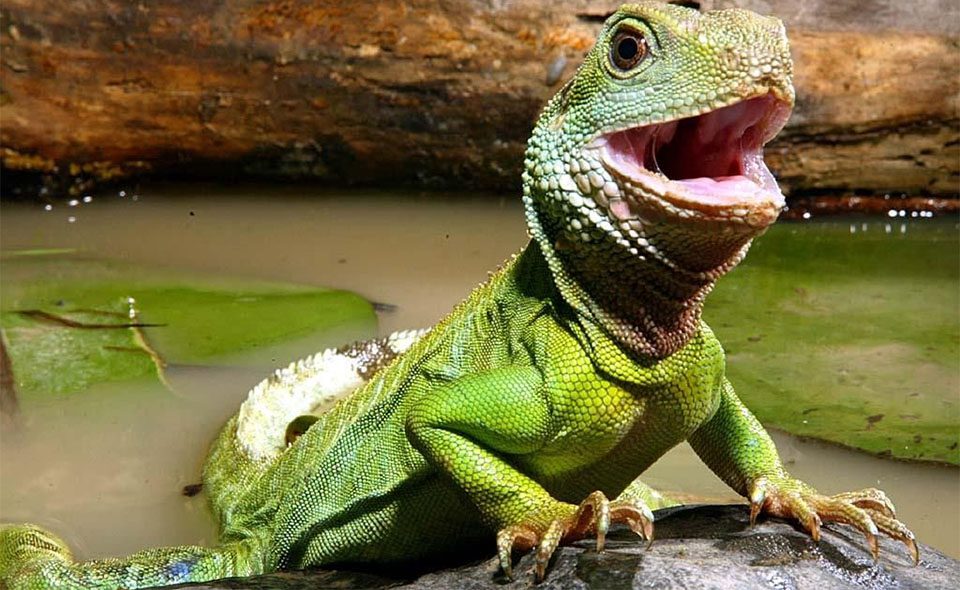
Caring for the Chinese Water Dragon

The best brushes for cats

How to choose the best chew toys and treats for your dog

How to train your puppy to walk on a leash

Czech Terrier (Cesky Terrier): characteristics of the dog breed

Pembroke Welsh Corgi: characteristics of the dog breed

The best bags for carrying cats