Kittens, like children, need to be taught how to live in the house and it is up to you to set the rules. Once this is done, you will need to give your kitten the means to follow it.
For example, if you want your kitten to sleep in his own bed, you will need to purchase or create a suitable sleeping place for him.
You will have to teach your kitten to follow your rules. As with any pet (or person), training involves combining rewards for good behavior and consequences for undesirable behavior. Patience is key when training a kitten.
Why do cats behave badly?
 Common sense dog park rules
Kittens are like children. He is constantly learning about the world around him and what behavior is acceptable and what is not through positive and negative reinforcement. When your kitten misbehaves, don’t try to be «bad.» It simply means learning appropriate behavior.
Most kittens are happy to use a special litter box and scratching post. Sometimes kittens are unwilling or unable to do one or the other. Sometimes they start using the litter box and scratching post correctly and then suddenly stop doing so.
At least 75% of disciplining a puppy or cat involves finding out the reason for the unwanted behavior and then correcting the situations that caused it.
The scratch
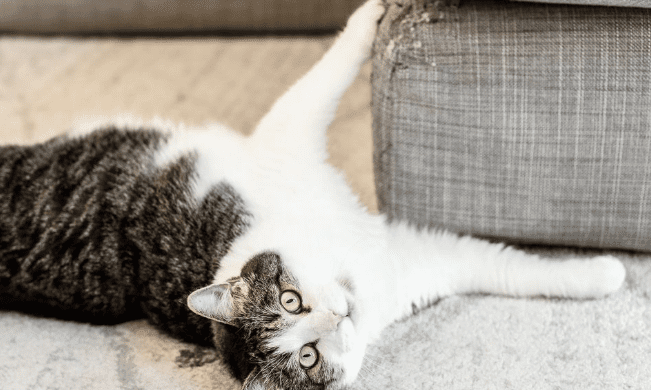
Kittens and cats should keep their claws in shape and need scratching to keep them healthy. The trick is to redirect his attention from furniture and other objects to surfaces more suited to sharpening his claws. The key is to teach the kitten to avoid areas that can be destroyed.
Leer mas American Staffordshire Terrier: characteristics of the dog breed
See also: The best brushes for cats
Litter training
Most kittens adapt easily to the litter box, especially if they grew up with a mother cat. Otherwise, it’s usually easy to litter box train a kitten. Make sure the box is easily accessible, filled with good quality sand and cleaned at least once a day.
Immediately after the meal, place the kitten in the box. You may have to demonstrate this by guiding his paw for a few scratches on the litter, but your kitten will quickly get used to it. It’s possible that, under the right circumstances, your kitten won’t make mistakes and will learn to use the litter box regularly. In the rare case that a kitten doesn’t go to the litter box, poor litter box maintenance could be the cause.
Bite
Just like babies, kittens examine everything with their mouths, especially during teething. As with small children, it is important not to leave harmful objects within the reach of cats. They love to play ball, and if there are no other cats around to satisfy this instinct, they will settle for the nearest human hand or ankle, especially if you have encouraged this form of play from the start. They may also chew on houseplants if they are within reach.
Leer mas Komondor: Characteristics of the dog breed – Animal kingdom
jump
Kittens love heights and many are expert at jumping. They can be thrown up with a little care and seemingly little effort. Problems arise when they often jump onto a table or counter that you prefer to avoid.
Active nocturnal behavior
Cats and especially kittens can exhibit hyperactive behavior at night. Most cats wake up and become active at night, but the key is to teach them to leave you alone and go back to sleep.
Seeking attention
Some chickens are particularly picky. Although kittens are expected to be curious and playful, some can turn these traits into inappropriate behavior. They are probably looking for attention from their owners, or they are bored and under-stimulated (or both).
See also: The best cat carrier bags
Leer mas Bedlington Terrier: characteristics of the dog breed
How to stop unwanted behavior
There are many effective techniques for expressing your displeasure with a cat. It is always advisable to consult your vet to make sure there is not a health problem causing the bad behavior.
A simple option is to keep a spray bottle filled with water on hand. This can help when you see bad behavior in action. Give your kitten some spray to discourage this behavior.
Provide him with scratching posts
To prevent your cat from scratching furniture or other places that don’t belong, provide him with suitable scratching surfaces. Scratching post sets vary in price and style and provide plenty of scratching surfaces for your kitten.
A popular and economical option is a corrugated cardboard model. Adding a small amount of catnip to the post can make it more attractive to your cat. For a variety of healthy scratching post options, provide as many scratching posts as you can afford and/or have room for.
Clean your kitten’s claws.
Although it is harmful to your kitten’s health to surgically remove its claws, it is a good idea to trim sharp claws every now and then. This will not only make destructive scratching less of a problem, but will also reduce the chance of being scratched by an energetic feline playmate. Another option is to use plastic nail caps. They are easy to apply and do not interfere with the normal extension and retraction of your cat’s claws.
Keep the litter box clean
Since litter box avoidance is one of the leading causes of cat abandonment in shelters, it is important to provide your cat with a perfectly clean litter box. Another option is to spray your kitten’s litter box with an attractive scent, such as Cat Attract, which is sold in pet stores. Provide him with several boxes. You may also need to try different brands and types of sand. Some cats avoid covered litter boxes, while others prefer the privacy it provides.
Make sure there are no underlying health problems, such as a urinary tract infection, that could cause the kitten to miss the litter box. Your vet should be able to easily rule out this and other diseases with a simple urinalysis.
See also: Best premium dry cat food
Avoid fighting during the game
While fighting in-game can be fun, things can escalate quickly. Kittens learn to reduce the severity of bites and scratches from their siblings and mother. If they bite or scratch too hard, they will be scolded with a growl or hiss and an equally hard push or bite immediately following.
If your kitten was separated from his family too early, he may not have learned correct play fighting behavior. Consider wearing gloves, using toys instead of hands, or simply taking them off if your kitten gets too rough. This will help the cat learn to avoid biting or scratching, even during play. Remove tempting plants or place them in a kitten-free area.
Set skip limits
Ideally, you will have the rules in mind for your kitten before he starts jumping. Which shelves, sofas and shelves are allowed? Which are prohibited? A simple training method is to praise and pet the kitten when it jumps onto acceptable surfaces while scolding and directing it away from unacceptable surfaces. The spray bottle can help train your kitten to stay on certain surfaces.
Double-sided tape may deter some cats from jumping because they don’t like the feel of the tape on their paws. Providing alternative climbing surfaces, such as a special cat enclosure, can also help reduce the chances of your cat jumping onto counters.
Activities during the day
Schedule some interactive play sessions with your kitten in the evening. Continue playing until your kitten seems to get tired. Give them a larger meal before going to bed; Most cats sleep after eating. Keep your cat busy during the day with playful and stimulating toys or puzzles.
Stop attention-seeking behavior
Always play with your kitten every day. The extra quality time can be helpful in stopping bad behavior. Even disobedient cats can get bored, so you may need to stimulate and exercise them.
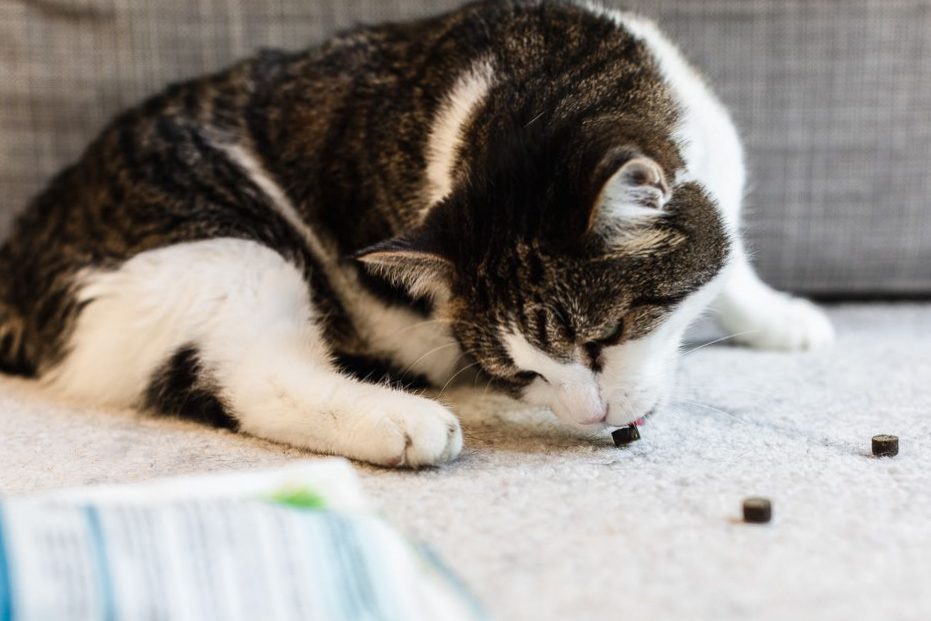
Finally, praise the cat when it behaves well. Use kind words, gentle pats, and treats to reinforce good behavior.
Read also: The healthiest treats for cats
latest posts published

Belgian Malinois: characteristics of the dog breed

Norwegian Buhund: characteristics of the dog breed

Caring for the Chinese Water Dragon

The best brushes for cats

How to choose the best chew toys and treats for your dog

How to train your puppy to walk on a leash

Czech Terrier (Cesky Terrier): characteristics of the dog breed

Pembroke Welsh Corgi: characteristics of the dog breed

The best bags for carrying cats