Is your cat experiencing itchiness or developing bald patches in its fur? Skin problems in cats are quite common and can occur regardless of their age. Luckily, the solution is often straightforward. In many instances, treatments, medications, or adjustments to diet and lifestyle can provide quick relief. Here, you’ll find detailed information on the most common causes of feline skin issues and practical steps to address them effectively!
What symptoms do you recognize in your cat?

A cat with skin problems will have dull, thin, scaly fur. Other typical symptoms can be:
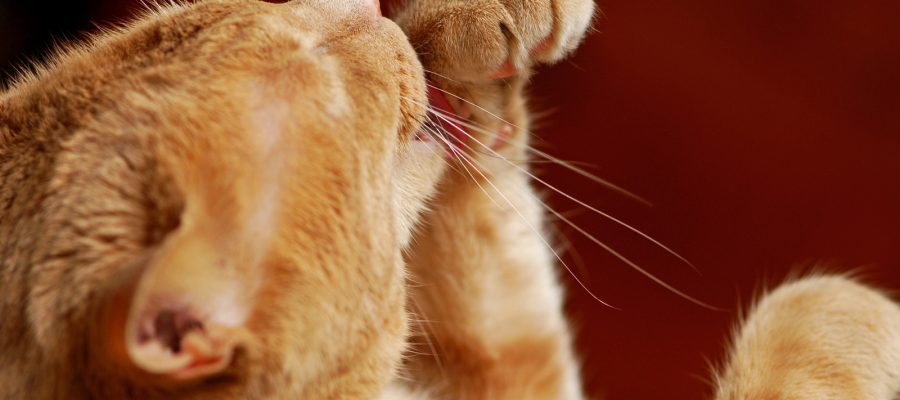
- Excessive licking and scrubbing
- Scabs on the back
- Bald spots
- Wounds
- Scratching and biting
- itching
- Executioners
- Swollen and inflamed skin
- Ear problems (scratching and tremors)
What causes your cat’s skin disease?
The most common causes of your cat’s bad skin or coat: atopy, fleas, diet, contact allergies, autoimmune diseases, fungal infections and stress.
Leer mas Canary profile | Original distribution and lifestyle
1. Atopy
Atopy is an increased allergic reaction to harmless environmental stimuli. Like humans, cats can also be allergic to grass or tree pollen. Depending on the type of allergy, seasonal itching usually occurs. Additionally, house dust mites and environmental mites can cause atopy in cats. Other animal species such as canaries, dogs or rabbits can also be responsible.
How is atopy recognized? Atopy manifests itself with itching all over the body. Miliary dermatitis can often occur where scabs are found on the back.
2. Fleas and flea allergy
When a cat is bitten by a flea, the saliva on the skin causes itching. This applies to any cat, but in an animal allergic to fleas the symptoms and itching become even more intense.
How do you recognize a flea allergy? Red spots and scabs appear on the lower back. The itching can spread to the entire body, especially the stomach and groin area.
Leer mas The cat pees in the house: what to do?
3. Food allergy
With a food allergy, the cat reacts hypersensitively to an ingredient in the food. This is usually an allergy to one type of protein, which does not mean that a cat is allergic to proteins in general. A cat may be allergic to a certain type of protein, such as: B. on beef, chicken, pork or other animal proteins.
How do you recognize a food allergy? Cats with food allergies often suffer from itching all over their body or in certain areas. Furthermore, a greasy coat with an unpleasant smell is typical. Skin infections or gastrointestinal problems may also occur. If you have a food allergy, it makes sense to feed hypoallergenic foods. Supportive therapies such as shampoos or fish oils can help.
Allergic cats are just like humans: depending on the severity of the allergy, even small amounts can have dangerous consequences. So be careful! It is not enough to simply reduce the ingredient that causes an allergic reaction.
4. Contact allergy
In case of contact allergy, your cat’s immune system reacts hypersensitively to substances in the environment after contact with the skin. For example, your cat may develop rashes and itching after exposure to perfumes, soap, grass, cleaning products, plastic, or pesticides.
Leer mas Punish a dog? Please don’t do this! | So how can I correct my dog’s behavior?
5. Stress
Just like we bite our nails when we’re nervous, a stressed cat may lick itself. Have you recently moved, have unknown visitors or new roommates such as a child, dog or another cat? This can quickly upset cats and lead to nervousness and skin problems. Stress licking in cats is expressed primarily through belly licking and symmetrical licking of the flanks and/or hind legs.
6. Autoimmune disease
In an autoimmune disease, the body’s immune system attacks cells, proteins, or other structures. As a result, the immune system is dysregulated and functions less well.
7. Fungal infections
A cat can also develop skin problems caused by a fungus (also known as ringworm).
How do you recognize a fungal infection? Your cat suffers from bald, scaly patches. Unlike the skin diseases mentioned above, a fungal infection is not noticed through itching.
Leer mas How much food does my cat need?
What can I do if my cat has a skin disease?
Go to your vet. He will carefully examine your cat’s skin, ears and claws. Your cat’s medical history will also be checked. He will ask you questions about the other animals in the house and about your little four-legged friend’s diet. This way you will find the right treatment to prevent further infections or chronic problems.
Why is nutrition important for cats with bad skin?
Healthy cat food can prevent skin problems and keep your cat’s coat thick and shiny.
Your cat will not develop any food allergies and will have sufficient resistance against itchy creatures such as fleas, ticks or mites. Having trouble finding the best food for your cat? We are happy to help you!
conlusion
Skin problems in cats, such as itchiness and bald patches, can be concerning for any pet owner, but they are often manageable once the underlying cause is identified. These issues are quite common and can affect cats of all ages, making it important to stay observant and proactive when changes in your cat’s coat or behavior appear.
There are many possible causes behind feline skin conditions. Allergies, parasites like fleas or mites, infections, poor nutrition, or even stress can all contribute to skin irritation and hair loss. Because the causes vary, it is essential not to rely on assumptions. Careful observation of symptoms—such as excessive scratching, redness, or changes in grooming habits—can provide important clues about what might be affecting your cat.
Fortunately, many skin issues can be resolved with relatively simple treatments. Depending on the cause, solutions may include medications, topical treatments, parasite control, or dietary adjustments. Improving your cat’s nutrition and ensuring they receive a balanced diet can also have a significant impact on skin and coat health. In some cases, reducing stress or improving the living environment can further support recovery.
However, if symptoms persist or worsen, seeking veterinary advice is crucial. A professional diagnosis ensures that the correct treatment is applied and helps prevent complications. Early intervention often leads to faster and more effective results, minimizing discomfort for your pet.
In conclusion, while skin problems in cats can be troubling, they are often treatable with the right approach. By identifying the cause, applying appropriate solutions, and maintaining good overall care, you can help your cat return to a healthy, comfortable state. Staying attentive and informed is key to ensuring your feline companion enjoys a happy life with a healthy coat and skin.
latest posts published

Belgian Malinois: characteristics of the dog breed

Norwegian Buhund: characteristics of the dog breed
Caring for the Chinese Water Dragon

The best brushes for cats

How to choose the best chew toys and treats for your dog

How to train your puppy to walk on a leash

Czech Terrier (Cesky Terrier): characteristics of the dog breed

Pembroke Welsh Corgi: characteristics of the dog breed

The best bags for carrying cats