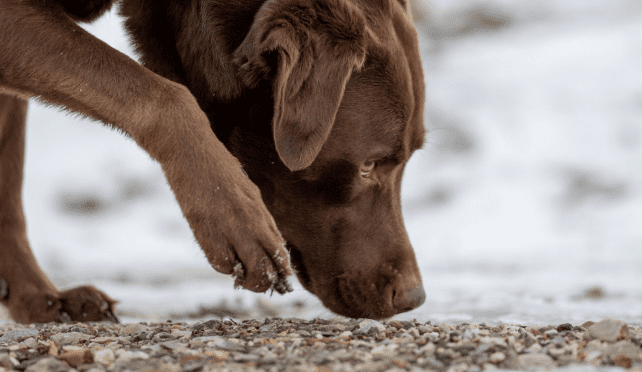
Many dog owners know that antifreeze is poisonous to dogs, but not all people understand how dangerous antifreeze poisoning can be. Unfortunately, exposure to even a small amount of toxic antifreeze can quickly lead to death. Antifreeze poisoning in dogs is a very serious problem.
Antifreeze is a common winter hazard, but dogs can easily be exposed to it any time of year. A dog is very likely to be poisoned if they ingest it, but technically it can also be absorbed through the skin. It is believed that animals are attracted to antifreeze because it has a sweet taste. A dog may find antifreeze in storage areas, but it is not uncommon to find small puddles of it in driveways, garages, and driveways. Be careful of puddles that have a greenish or iridescent color. Avoid letting your dog lick the ground, especially where there are puddles.
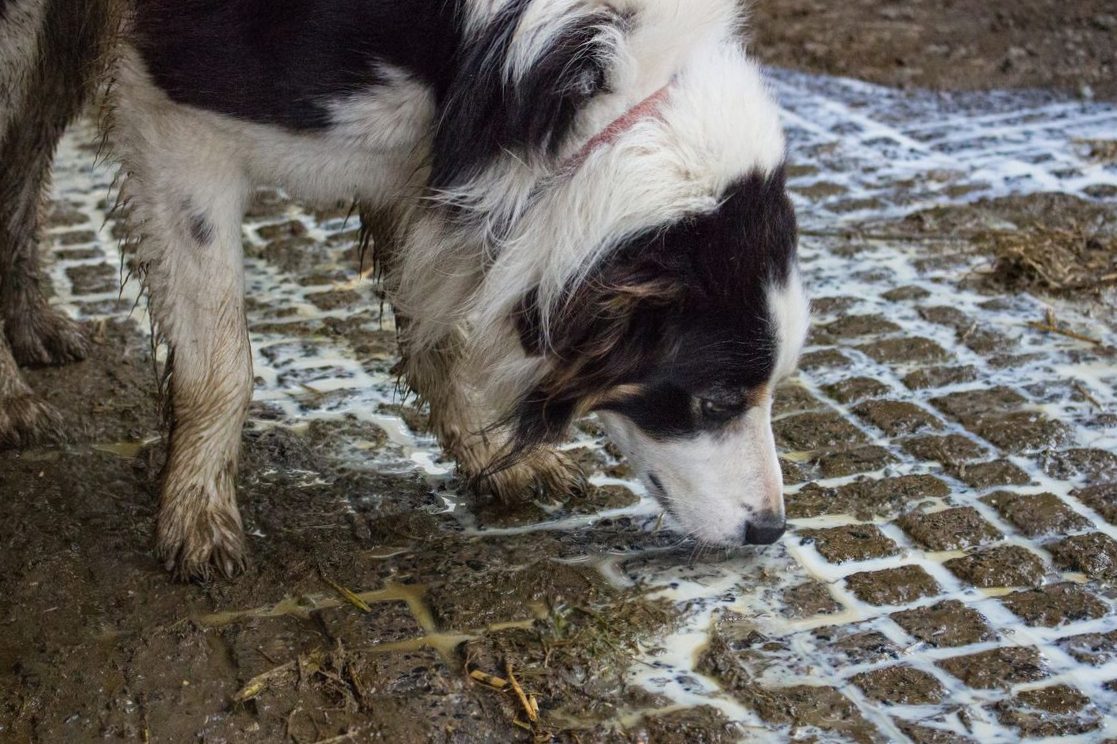
Some types of antifreeze are more toxic than others. Most brands contain the active ingredient ethylene glycol, which is the most toxic. Antifreeze with the active ingredient propylene glycol or methanol is also poisonous, but not as harmful as an ethylene glycol-based antifreeze.
Leer mas Dog gestation (pregnancy) questions and answers.
It takes very little ethylene glycol to poison a dog. The average toxic dose depends on the size of the dog.
The Merck Veterinary Manual states the following: «The minimum lethal dose of undiluted EG is 1.4 ml/kg body weight in cats, 4.4 ml/kg in dogs, 7-8 ml/kg in poultry and 2-10 ml/kg in cattle. Younger animals may be more sensitive.»
Signs of ethylene glycol poisoning
After exposure to ethylene glycol, most dogs begin to show signs very quickly. At first it may feel like alcohol poisoning. In the first 30 minutes to 12 hours after exposure, dogs often show the following signs:
Leer mas Burmese cat: characteristics of the feline breed
- Vomiting (due to gastrointestinal irritation)
- Lethargy
- Drunkenness, ataxia, difficulty walking
- Increased thirst and/or urination
- Excessive salivation
- Sedate
These initial signs usually disappear after the first 12 hours. Unfortunately, this may lead you to believe that the dog’s condition is improving. However, the toxin continues to severely affect internal organs.
Between 36 and 72 hours after poisoning, your dog’s kidneys will begin to fail. At this point the dog will show signs of the disease again:
- Lethargy
- Loss of appetite
- Vomit
- Diarrhea
- Bad breath
- convulsions
If aggressive veterinary treatment is not initiated before this final stage, the chances of survival are significantly reduced.
What to do if your dog comes into contact with antifreeze
Unfortunately, ethylene glycol poisoning is often fatal. The earlier it can be detected and treated, the better the chance of recovery. If you suspect your pet has been exposed to antifreeze, contact your veterinarian immediately. The best thing you can do is go straight to the nearest open vet. If it’s after hours, find an urgent care clinic near you.
Leer mas Separation anxiety. A problem of dogs adopted in the pandemic
Warning
Do not induce vomiting unless your vet advises you to do so. Also, don’t wait for your dog’s health to show improvement. Without treatment, dogs who have been poisoned with antifreeze will almost certainly suffer kidney failure followed by death. Time is of the essence to prevent death.
How vets diagnose antifreeze poisoning
If you think your pet may have been exposed to antifreeze but aren’t sure, talk to your veterinarian about all the facts you know. Your veterinarian will review your dog’s history, physical exam, and laboratory data to make a diagnosis.
If you are sure the pet has been exposed to antifreeze, your vet will still need to perform further testing. At a minimum, your veterinarian will perform blood tests to evaluate organ function and cell counts. A urinalysis will also be done to look for abnormalities (such as calcium oxalate crystals, which are often seen after ethylene glycol poisoning).
Leer mas How to Teach Your Puppy the “Go Away!” Command
Once the veterinarian determines the extent of the damage and the dog’s condition, a treatment plan will be developed.
Treatment for Antifreeze Poisoning in Dogs
If ethylene glycol poisoning is detected early enough (within 8 to 12 hours of exposure), the first goal of treatment is to prevent further metabolism of ethylene glycol. This is done by administering the drug fomepizole (also known as 4-MP) or ethanol (also known as ethyl alcohol, which consumes alcohol).
Since the 4-MP format is very expensive, not all veterinarians will have it on hand. Therefore, ethanol is commonly used in the form of grain alcohol or even vodka. It is important to know that alcohol is normally toxic to pets. However, when administered carefully and correctly by a veterinarian to treat antifreeze poisoning, it interferes with the absorption of ethylene glycol. Never try to treat your dog with alcohol alone – it can cause more harm and even lead to death.
The next step in treatment involves intensive supportive care. Intravenous fluids are administered to keep the dog hydrated and correct electrolyte imbalances. Medications are given to relieve symptoms. The dog’s vital signs are carefully monitored and laboratory tests are checked frequently to evaluate recovery.
Unfortunately, not all dogs survive ethylene glycol poisoning, even with aggressive treatment. The quicker you can get your affected dog to the vet, the better his chances of survival. Don’t delay if there’s a chance your furry friend has been exposed to antifreeze!
Protect your dog from antifreeze
The best thing you can do is protect your dog from exposure to ethylene glycol. In addition to antifreeze, this chemical can be found in brake fluid, deicing products, some cleaning products, and other household or automotive solutions.
Store all chemicals out of your dog’s reach and clean up any spills immediately.
Consider switching to a less toxic form of antifreeze (one containing propylene glycol or methanol).
Be careful when walking your dog. Prevent your dog from entering or drinking in puddles of unknown liquids. Never let your dog roam free because you never know what he might be exposed to.
latest posts published

Belgian Malinois: characteristics of the dog breed

Norwegian Buhund: characteristics of the dog breed
Caring for the Chinese Water Dragon

The best brushes for cats
How to choose the best chew toys and treats for your dog
How to train your puppy to walk on a leash

Czech Terrier (Cesky Terrier): characteristics of the dog breed

Pembroke Welsh Corgi: characteristics of the dog breed

The best bags for carrying cats