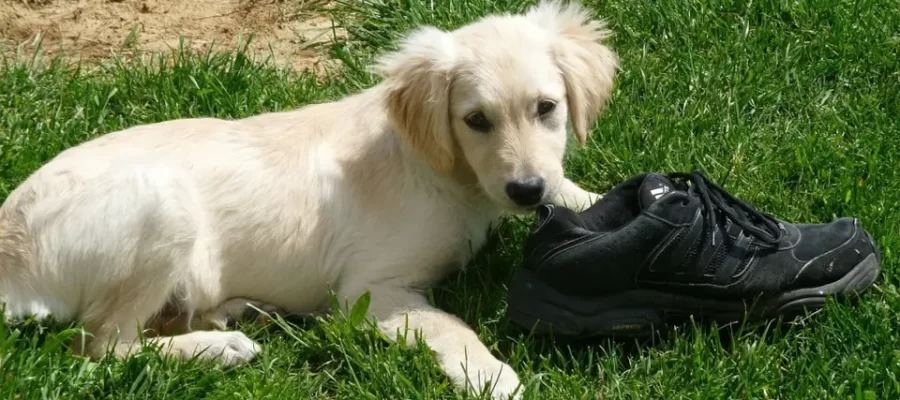
How many times have you told your puppy «no» today? You probably lost track right after breakfast! In many cases, you probably really wanted to say «let’s go!». It’s smart to save the «NO» command for things that are truly harmful.
The really harmful things are those that could injure the puppy, like chewing on a power cable or running into the road. Or it could be harmful to other pets, like «jumping» on a cat or rolling over a smaller dog.
Or it might be harmful to people, like with a serious bite. The less you use the «NO» command, the more the puppy will pay attention to it when needed. This is why it is more effective to teach the puppy alternatives to «NO». These can be «calm down»,
You will need:
Leer mas How to train your dog to run next to the bicycle
- Collar
- leash of approximately 2m
- Small delicious appetizers (prizes)
- A puppy
- Patience
- Sense of humor
Train your puppy to “leave”:
- Hold two pieces-reward in the right hand. Hold the leash in your left hand.
- Throw a piece a little further than the puppy can reach. Make use of leash to make sure the puppy is not in a hurry to get the treat.
- Say «Forget it!» in a low, serious tone of voice. The puppy will probably struggle to reach the tasty morsel thrown on the ground.
- Touch him on the head and call him by name. As soon as he looks at you, give him the candy you have left in your hand.
It is important to then collect the piece that has fallen from the floor. Once you’ve told a puppy to «leave it!» when he started investigating an anthill with his nose, you wouldn’t worry about letting him play in the anthill afterwards! Apply the same concept to rewards.
The next step is to hold the treat in your hand, right next to the puppy’s nose.
- Say «leave it!» when he tries to grab it. Use the leash to make sure he actually does it!
- Once he stops trying to get it, put the reward in his pocket.
- If he shows patience and doesn’t try to take rewardyou can take out the coveted piece you had hidden in your pocket and give it to him.
Teaching the puppy to keep its muzzle away from your hand is also very useful to avoid playful biting by the puppy. It is important that the puppy keeps its muzzle away from your hand and that you do not take your hand away from its muzzle.
You might have someone watch the «drop» command to see what it looks like from the outside: whether the puppy actually dropped the treat, and whether you actually withdrew your hand.
Leer mas The best dog treats, snacks and treats
But what if the puppy isn’t motivated by food?
Even if your puppy doesn’t seem interested, you can still teach him this command.
- Walk him on a leash until he becomes alert to something in particular that attracts his attention.
- Say «Forget it!» and use the leash to stop him from going any further.
- Touch him lightly on the head, call his name, then move away from him encouraging him to come with you.
- Praise him when he obeys the command «Leave!» command.
When to use the «Leave!» command command?
Use the command «Go!» when the puppy is interested in doing something you don’t agree with. Make a list of things that might make you give this command. Here are some situations:
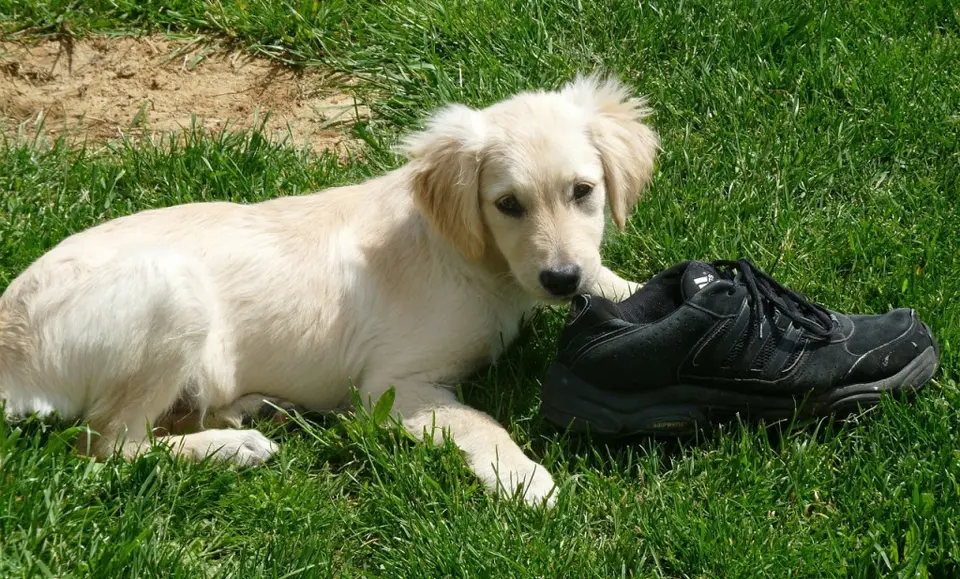
- When he thinks about grabbing your shoe
- When he sees a bag of chips thrown on the street and approaches it
- When he tries to play with chestnuts in the park (and eat them)
- As he approaches the slice of pizza on the table
- When it puts its sharp teeth at work, at play, on your child’s hand
- When he barks at the neighbor’s cat, looking back at her through the window
- When did he start… (the list could be very long)
The command «Go!» it is the most used in my puppy’s vocabulary. It is good to practice it for five minutes every day to ensure that it has been thoroughly studied.
Leer mas What You Need to Know About Canine Parvovirus (CPV)
Read the following article: Puppy training exercises using the clicker
latest posts published

Belgian Malinois: characteristics of the dog breed

Norwegian Buhund: characteristics of the dog breed
Caring for the Chinese Water Dragon

The best brushes for cats
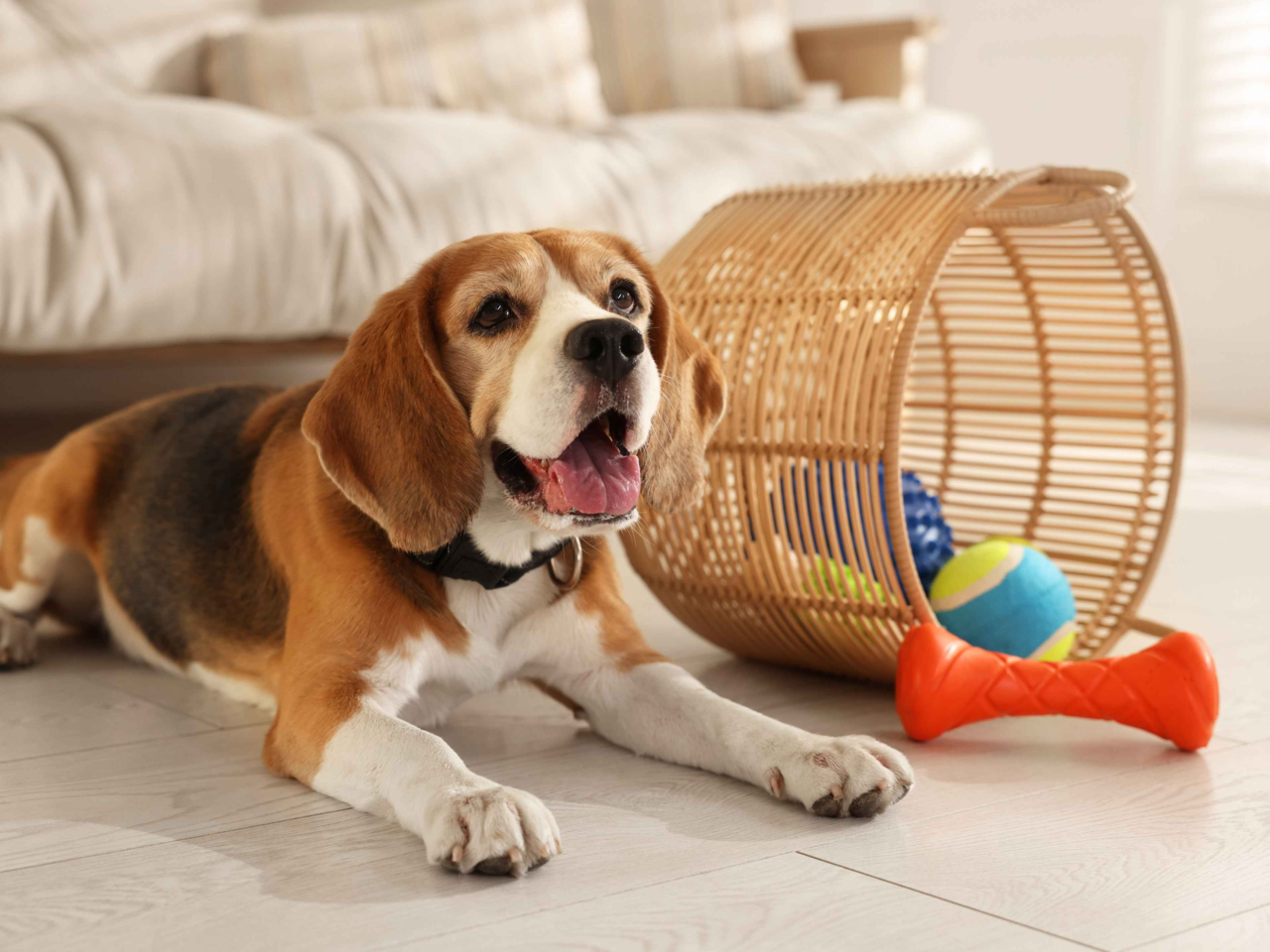
How to choose the best chew toys and treats for your dog
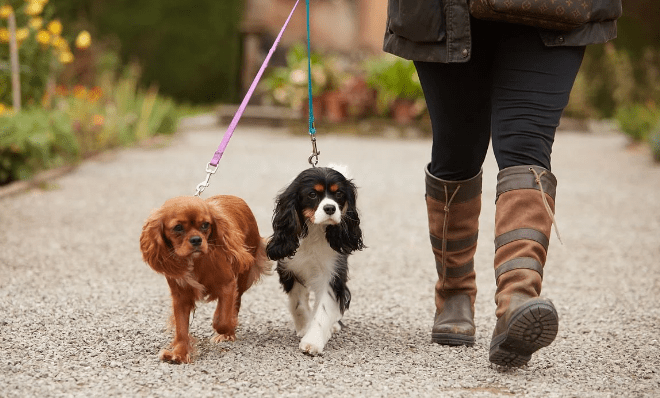
How to train your puppy to walk on a leash

Czech Terrier (Cesky Terrier): characteristics of the dog breed

Pembroke Welsh Corgi: characteristics of the dog breed

The best bags for carrying cats