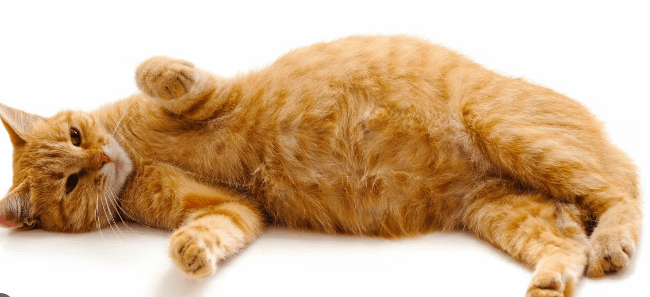
Rhinotracheitis is one of the most common and dangerous upper respiratory tract infections in cats cat flu. This disease can affect cats of any age, but younger animals and those with weaker immune systems are most affected.
Since rhinotracheitis spreads very quickly, it is important to know the first symptoms, possible complications, treatment and prevention methods. Below, we’ll cover everything every cat owner needs to know.
What is feline rhinotracheitis?
Rhinotracheitis (feline influenza) is an upper respiratory tract infection caused most commonly by the feline herpes virus (FHV-1). This cat disease It damages your cat’s or cat’s nose, throat, eyes and can cause serious breathing problems.¹
Other infectious agents contributing to the pathological complex can be:
Leer mas How long can a cat go without eating: causes and solutions
- Calicivirus (FCV);
- Chlamydia felis;
- Mycoplasma felis
A combination of these agents can cause mild to moderate rhinotracheitis or progress to a dangerous long-term condition.
Important: the virus can remain in the body for life and reactivate in stressful situations.ž
Symptoms of Rhinotracheitis in Cats
The main signs of rhinotracheitis are respiratory and ocular symptoms. Milder cases last a few days, but more severe cases can last weeks or cause complications.
The main symptoms of rhinotracheitis
In milder cases, the following symptoms occur:
Leer mas Tick bite in cats: is it dangerous? what to do
- Frequent sneezing;
- Runny nose (serous or purulent);
- Watery eyes, conjunctivitis;
- Fever;
- Loss of appetite;
- Abundant salivation;
- Cough, difficulty breathing;
- Mouth or tongue ulcers (characteristics of calicivirus);
- Keratitis or eye ulcers (characteristic of the herpes virus).
Serious symptoms and possible complications
Untreated or advanced rhinotracheitis can cause more serious clinical signs:
- Lethargy;
- Respiratory distress;
- Dehydration;
- Pneumonia;
- Persistent eye problems or scarring.
Symptoms can vary greatly depending on the causative agent, and viral rhinotracheitis in cats often presents with mixed infections, so the signs are intertwined. (source: Journal of Feline Medicine and Surgery, 2009 m.)
Rhinotracheitis: treatment, how to help the cat recover?
Treatment of rhinotracheitis is usually complex and combines medications, supportive therapy and stress reduction measures. Proper treatment of feline rhinotracheitis allows cats to recover faster and reduces the risk of complications.
Veterinary care and prescribed medications
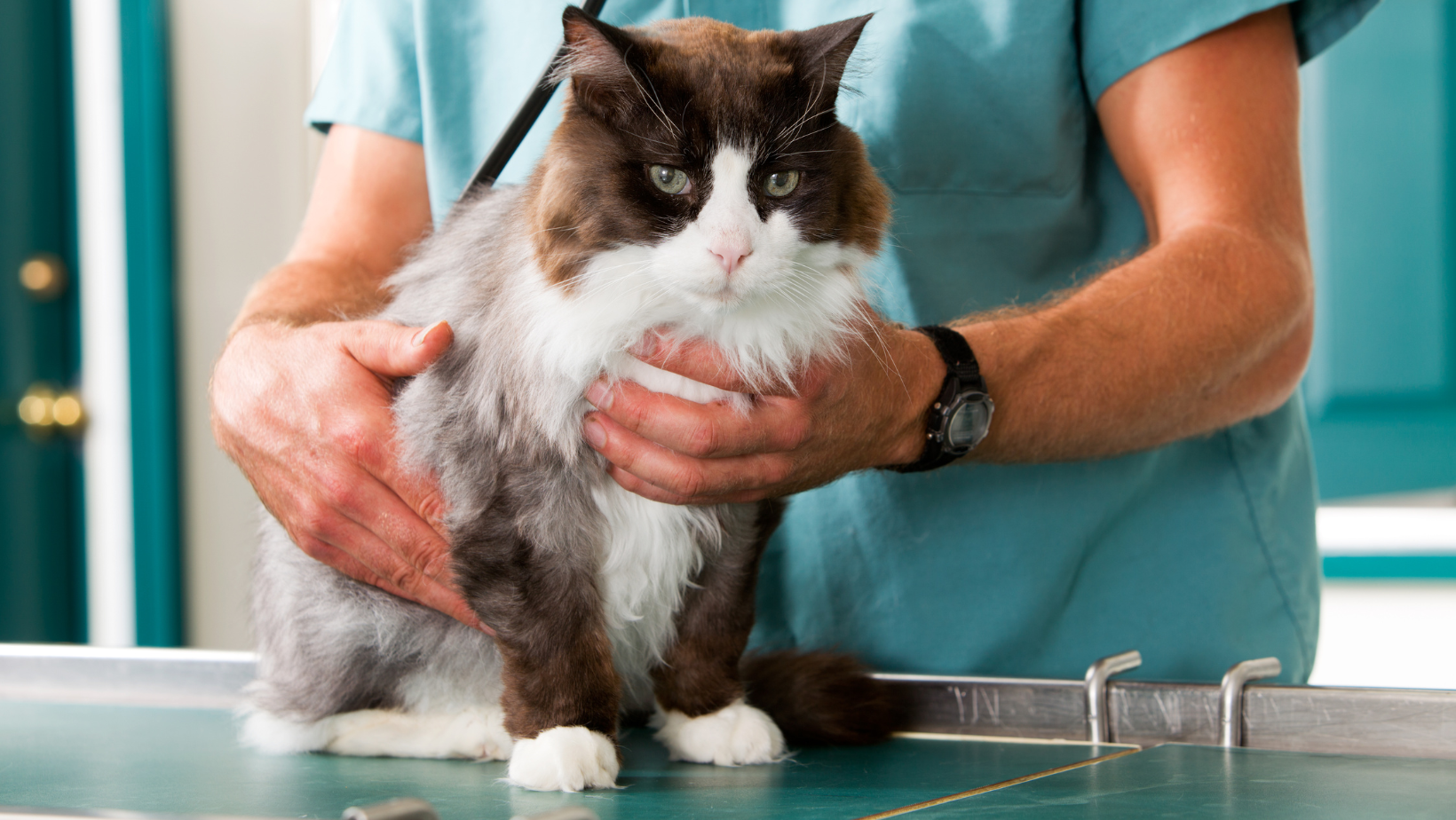
In most cases, a veterinary visit and medical treatment is necessary. Depending on the severity of the disease and the causative agent, the following may apply:
Leer mas Cat urolithiasis – Begemotas
- Antibiotics (if a bacterial infection contributes);
- Antiviral ointments or eye drops;
- Immunostimulant and L-lysine;
- Anti-inflammatory drugs facilitate breathing;
- Fluid therapyif the cat does not drink or eat.
Supportive treatment at home
In order for the treatment of infectious rhinotracheitis in cats to be effective, it is important:
- Clean nasal and eye secretions;
- Humidify the rooms or carry out steam inhalations;
- Offer warm, scented food (if the nose is damaged, cats can no longer smell);
- Provide peace of mind and reduce stress.
Some cats require tube feeding if food is refused.
How to protect a cat from rhinotracheitis – cat flu?
The best prevention is vaccinations and hygiene checks. Most infections cannot be completely prevented, but the risk and severity of the disease can be greatly reduced.
Preventive measures:
Leer mas My pet is afraid of fireworks: what should I do?
- Regular vaccinations are the main and most effective means of protecting cats from viral diseases;
- Separation from sick cats;
- Regular ventilation of the rooms;
- Disinfection of surfaces;
- Stress reduction (stable routine, safe environment).
Vaccines do not provide 100% protection, but they significantly reduce the severity of symptoms.
When to go to the vet?
Rhinotracheitis in cats and cats can progress very quickly, so it is important to consult a veterinarian in time. You need to contact specialists if you notice at least one of the following symptoms:
- Cat stops eating for >24 hours;
- Difficulty breathing;
- Purulent discharge from the eyes or nose;
- Fever;
- Strong apathy;
- Mouth ulcers that prevent the animal from eating;
- Ksigns that feline rhinotracheitis is progressing.
In young kittens and older cats, complications develop much more quickly: in this case the delay is especially dangerous.
Why is it important to apply as soon as possible?
If you notice that your cat may be showing symptoms of rhinotracheitis, don’t wait for the condition to get worse. This disease progresses rapidly, so early treatment makes a difference. Don’t hesitate: register your pet for a consultation at the Begemots veterinary clinic in Vilnius or Širvintos.
Our veterinarians will perform a thorough examination, assess the risks and tailor the most effective treatment plan for your cat, ensuring a faster and safer recovery. Take care of hygiene, pay attention to the symptoms and we will take care of all the other steps.
Frequently asked questions
Sources:
- Barlough JE, Gillespie JH, Scott FW, Timoney JF. Microbiology and infectious diseases of domestic animals by Hagan and Bruner. Cornell University Press, 1988.
- Thiry E, Addie D, Beauty S, Baralon C, Egberink H, Frymus T, et al. Feline herpesvirus infection. ABCD guidelines on prevention and management. Journal of Feline Medicine and Surgery2009.
conlusion
Rhinotracheitis, commonly known as cat flu, is a serious and highly contagious upper respiratory infection that every cat owner should be aware of. Although it can affect cats of all ages, kittens, elderly cats, and those with weakened immune systems are particularly vulnerable. Because the disease spreads quickly, early recognition and prompt action are essential to protect both the affected cat and others in the environment.
Understanding the symptoms is the first step in managing this condition. Signs such as sneezing, nasal discharge, eye inflammation, fever, and lethargy should never be ignored. What may initially appear as a mild illness can rapidly develop into more severe complications if left untreated. In some cases, rhinotracheitis can lead to long-term respiratory issues or secondary infections, making early veterinary intervention critical.
Treatment typically focuses on relieving symptoms and supporting the cat’s immune system. While there may not always be a direct cure for the underlying virus, proper care—including hydration, nutrition, and prescribed medications—can significantly improve recovery outcomes. Veterinary guidance ensures that each case is managed appropriately, reducing the risk of complications and helping the cat regain strength more quickly.
Prevention also plays a vital role in controlling the spread of rhinotracheitis. Vaccination is one of the most effective ways to protect cats from severe forms of the disease. Additionally, maintaining good hygiene, minimizing stress, and avoiding contact with infected animals can help reduce the risk of transmission. In multi-cat households or shelters, these preventive measures become even more important.
In conclusion, rhinotracheitis is a common but potentially dangerous condition that requires awareness, timely action, and responsible care. By recognizing early symptoms, seeking veterinary assistance, and following preventive strategies, cat owners can significantly reduce the impact of this disease. Ultimately, staying informed and proactive is the best way to safeguard your cat’s health and ensure a quicker, safer recovery if infection occurs.
latest posts published

Belgian Malinois: characteristics of the dog breed

Norwegian Buhund: characteristics of the dog breed
Caring for the Chinese Water Dragon

The best brushes for cats

How to choose the best chew toys and treats for your dog

How to train your puppy to walk on a leash

Czech Terrier (Cesky Terrier): characteristics of the dog breed

Pembroke Welsh Corgi: characteristics of the dog breed

The best bags for carrying cats