

Many cat owners worry when their pet loses its appetite. How long can a cat go without eating is one of the most frequently asked questions asked by veterinarians. This concern is completely justified, since the cat’s refusal to eat can signal serious health problems.
How long a cat can go without eating depends on many factors, but generally a healthy cat can go without food for up to 48 hours. However, if you notice that your pet refuses to eat for a longer period, it is worth worrying.
If your cat has not eaten for more than two days, you should consult a specialist as soon as possible, and if your sick pet refuses food, you should not wait more than 12-24 hours.
How long can a cat go without eating without putting its health at risk?
It can be very difficult to say how long a cat can go without eating, as it depends more on its health, age and other circumstances:
Leer mas Tick bite in cats: is it dangerous? what to do
- Healthy adult cats: He can go without food for up to 24-48 hours without serious health consequences.
- Kittens: They should not go without food for more than 12 hours, as their bodies are not yet fully developed.
- Older cats: They should not go without food for more than 24 hours, as their bodies are less adaptable.
- Sick cats: They should not go without food for more than 12 hours, especially if they have diabetes, kidney or liver disease.
It is important to understand that how long a cat can safely go without eating is only a rough estimate. Every pet is unique, so it is important to observe its general behavior and other signs.
The cat’s body’s response to hunger
The body of cats reacts very sensitively to prolonged fasting. Unlike dogs, who can fast for several days without significant harm to their health, Prolonged food deprivation in cats can cause serious liver problems, known as hepatic lipidosis.
This is a condition in which the body begins to metabolize fat, but the cat’s liver is not equipped to do so efficiently. For this reason, if your cat has not eaten or drunk anything for more than a day, consult a veterinarian immediately.
When should you worry if your cat isn’t eating?
If you notice that your cat is not eating, you should first carefully observe its behavior. You should be concerned if you notice the following signs:
Leer mas Cat urolithiasis – Begemotas
- The cat has not eaten for more than 24 hours
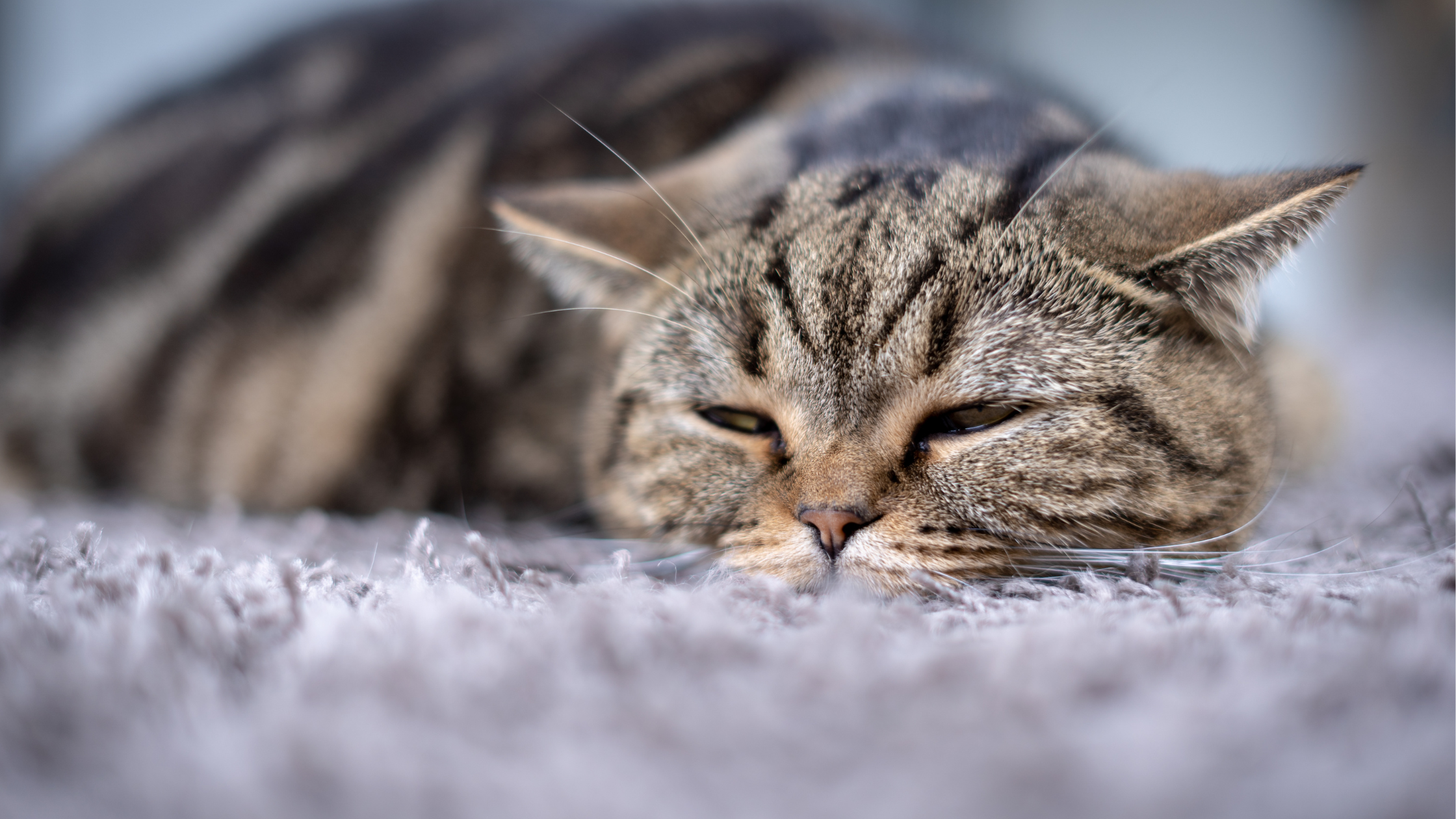
- The animal seems lethargic, sleepy
- The animal’s behavior has changed: it hides, avoids contact
- The cat vomits or has diarrhea
- The cat’s body temperature has increased
- Difficulty breathing
- Yellowish skin or mucous membranes (may indicate liver problems)
The situation becomes particularly dangerous when the cat refuses to eat or drink. Prolonged fluid deficiency can lead to dehydration, which severely affects the animal’s organs and overall well-being. If your pet refuses both food and water for more than 24 hours, it is essential to seek professional help immediately.
Reasons why a cat refuses food
There are many reasons why a cat may stop eating:
- Cat tooth tartar and mouth pain – if the animal feels discomfort when chewing, it may avoid the food;
- Digestive disorders – nausea, diarrhea or constipation may cause loss of appetite. If your cat is vomiting and not eating or drinking, consult your vet immediately.
- Stress – a change of house, a new animal in the house or a change in the environment can cause your cat to refuse to eat.
- Diseases of the internal organs – problems with the kidneys, liver, pancreas or other organs may cause lack of appetite.
- Poisoning – if your cat has eaten something poisonous, he may stop eating and drinking.
- Viral or bacterial infections – various diseases can affect your cat’s appetite.
If your cat isn’t eating or drinking for any of these reasons, it’s important to take action as soon as possible.
How to help your pet if he doesn’t eat?
If you notice your cat not eating or drinking, try to find out why by following these first aid steps:
Leer mas My pet is afraid of fireworks: what should I do?
- Check the condition of your cat’s teeth and mouth – perhaps your cat cannot eat due to pain.
- Offer different food – perhaps your cat is no longer interested in its usual food.
- Ensure a peaceful environment – if your cat is stressed, he may avoid eating.
- Monitor your water intake – if you notice that your cat is drinking less than usual, this could be a sign that something is wrong.
- Use natural appetite stimulants – warm food or canned liquid food can help.
If these measures don’t help and your pet still refuses to eat, don’t wait: contact your veterinarian.
Preventive measures
To avoid such situations in the future, it is important to follow these preventive measures:
- Visit your vet regularly – preventive checks can help prevent diseases.
- Ensure a balanced diet – choose high-quality foods suited to your cat’s age and health condition.
- Reduce stress – Provide your cat with a quiet corner where he feels safe.
- Observe your cat’s behavior – if you notice any unusual changes, react as quickly as possible.
When is it necessary to visit a veterinary clinic?
If your pet refuses food or water for more than 24 hours, don’t wait: contact your vet. Begemotas veterinary clinic in Vilnius offers professional help and modern diagnostics to determine the true cause of the disease.
Prolonged fasting can have serious consequences for your pet’s health, so a quick response can save his life.
Leer mas Ear diseases of cats: symptoms and treatment
Tests performed by a veterinarian
In veterinary clinics, veterinarians may perform various tests to determine the cause of the problem, such as:
- Blood tests – help identify infections, organ diseases or other pathologies.
- Ultrasound and radiographic examinations – allow the evaluation of the state of the internal organs.
- Stool and urine tests – help diagnose digestive disorders or kidney problems.
- Endoscopic tests – help to examine and diagnose diseases of the esophagus, stomach and intestines from the inside and evaluate their condition.
If your cat isn’t eating or drinking, or your male cat hasn’t eaten in more than a day, don’t wait for the problem to get worse. Contact Begemotas veterinary clinic in Vilnius and register your pet for a visit to the vet online or by phone.
latest posts published

Belgian Malinois: characteristics of the dog breed

Norwegian Buhund: characteristics of the dog breed

Caring for the Chinese Water Dragon

The best brushes for cats

How to choose the best chew toys and treats for your dog

How to train your puppy to walk on a leash

Czech Terrier (Cesky Terrier): characteristics of the dog breed

Pembroke Welsh Corgi: characteristics of the dog breed

The best bags for carrying cats
