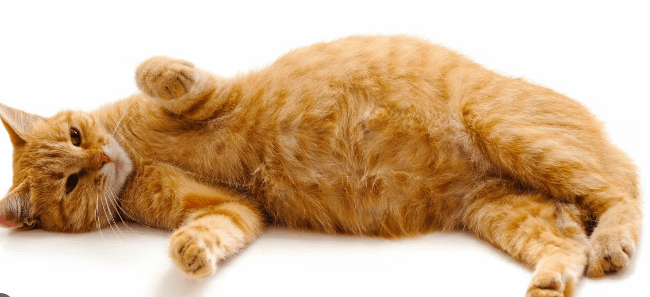
Vomiting in cats is a very important symptom of diseases affecting the abdominal organs. Vomiting in cats can be classified as acute or chronic. Acute vomiting begins suddenly, with the cat vomiting frequently, retching, and salivating.
Acute vomiting in cats occurs due to plant poisoning, spoiled food, and bacterial and viral diseases.
Chronic vomiting in cats often occurs in rare bouts of vomiting, once or twice a day. Most often, chronic vomiting in cats occurs due to a foreign body in the stomach or intestines, worms, liver and kidney disease.
During chronic vomiting, cats do not gain weight, are calmer and feel feverish to the touch.
Leer mas Belgian Malinois: characteristics of the dog breed
Cat owners often visit veterinarians because their cats are vomiting. There are many answers to the question “why does my cat vomit?” Let us discuss all of them in this article and help your pet in need.
Why is my cat vomiting?
Here are some reasons why cats vomit:
- Inappropriate or spoiled food
- The cat’s fur becomes tangled
- Poisoning with toxic substances or plants
- Foreign body in the digestive tract
- Bacterial or viral diseases. Viral diseases are dangerous for unvaccinated cats.
- Worms in the digestive tract
- Kidney, liver and other internal diseases
- Inflammation of the pancreas – pancreatitis
- Stress
- “Motion sickness” during travel
Cats are naturally inclined to hide their lives. This tendency to hide one’s lifestyle also extends to health. Therefore, any disturbance or unusual behavior should be considered a significant symptom.
Cat vomiting due to hairballs
Domestic cats’ tongues are like little combs for their fur, so any fur that sticks to their tongue is licked off. In the stomach and intestines, hair clumps together and forms hairballs. When hairballs are large enough, cats may vomit them.
Leer mas The best brushes for cats
This is especially common in long-haired cats. Veterinarians recommend using a paste every day to prevent hairballs from forming into large lumps and to facilitate their passage through the intestine. Hairballs can irritate the stomach lining and cause chronic vomiting in cats.
Cat vomiting white foam
If a cat vomits white foam, it means that the cat’s stomach is empty and there is nothing left to vomit. If this happens once a month or once a season, there is no need to worry, but if it happens more often, you should take your vomiting cat to the vet. Cats vomit white foam in cases of increased acidity, inflammation of the stomach, hair irritating the stomach wall, foreign body in the stomach or intestines, diabetes, allergies or inappropriate food.
If your cat feels and behaves normally after vomiting white foam, eating food, and drinking water, you can remain calm. However, if your cat’s behavior changes, you should take your pet to a veterinary gastroenterologist.
If your pet’s vomiting is accompanied by other additional symptoms such as lethargy, cat diarrhea, refusal to eat or drink, contact your veterinarian as soon as possible.
Leer mas Pembroke Welsh Corgi: characteristics of the dog breed

Cat vomiting yellow or yellowish liquid
The yellow liquid is a mixture of gastric and bile acids that helps digest food in the stomach. In many cases, cats vomit yellow liquid due to liver disease, gastritis, poor digestion or constipation.
Since vomiting bile in cats signals more serious diseases, it is necessary to more closely monitor the cat’s lifestyle and behavior.
If you notice even the slightest change in your cat’s behavior, you should consult a veterinarian so that the cause can be determined as soon as possible and appropriate treatment can be prescribed. If yellow vomiting in your cat is caused by a disease of the internal organs.
Cat vomiting water
Cats vomit water because they drink too much. This can happen if they go without water for a long time, eat something salty (from the table), or suffer from diabetes or kidney disease. If excessive water drinking and vomiting occurs repeatedly, you should consult a veterinarian to rule out any chronic or acute diseases.
Leer mas Czech Terrier (Cesky Terrier): characteristics of the dog breed
Cat vomiting blood
If your cat is vomiting blood, it is a sign that he is very ill. Cats vomit blood due to acute poisoning or diseases of the stomach, intestines, liver or kidneys.
If your cat is vomiting bright red blood, he likely has a wound or disease in his mouth or esophagus. If the blood clots and accumulates, this indicates stomach problems, which may be a secondary symptom of other internal diseases. Take your cat to the vet immediately.
The cat vomits undigested food
If your cat vomits undigested food, it means the food was never digested in the stomach and does not pass into the intestines. Food vomiting can be a symptom of a foreign body in the intestine, allergies or food intolerance. If your pet has not eaten for more than 24 hours but continues to vomit undigested food, you should see a veterinarian for further testing and treatment.
Cat vomiting worms
When was the last time you gave your cat or kitten deworming medicine? Antiparasitic preparations for cats and kittens that go outdoors should be administered once a season, while those that do not go outside should be administered once every 6 months.
Worms in cats suppress the immune system, interfere with nutrient absorption and can cause poisoning. If your cat is already vomiting worms, we recommend having him dewormed at a veterinary clinic to ensure the most accurate dosing and administration.
If your cat is vomiting worms, you need to understand that the worm infestation in your cat’s body is serious and that administration of deworming medications may cause additional symptoms that require veterinary supervision.
How to help a vomiting cat?
Veterinarians advise against testing medicines intended for humans. If your cat is vomiting but feels well, we recommend simply not feeding him for the first 12 hours, then offering him food in small quantities and more frequently, not letting him eat too much, and moistening dry food with water.
The most important thing is to give your vomiting cat as much clean water as possible. If your cat has difficulty drinking and drinks little, you can feed him with a spoon or syringe without a needle every 20 to 30 minutes.
If your cat has been vomiting for more than a few hours, has become lethargic and refuses food and water, go to the veterinary clinic immediately. Every moment counts. Begemotas veterinarians are always ready to respond quickly to sick cats, carry out all necessary tests and prescribe the most appropriate treatment.
How to prevent your cat from vomiting?
Veterinarians at Begemotas recommend cat owners to have their cats dewormed at least once every six months, vaccinate them annually against viral diseases, use flea supplements and feed them high-quality food.
A professional, annual checkup of your pet by a veterinarian will ensure a long and healthy life for your cat.
latest posts published

Belgian Malinois: characteristics of the dog breed

Norwegian Buhund: characteristics of the dog breed
Caring for the Chinese Water Dragon

The best brushes for cats

How to choose the best chew toys and treats for your dog

How to train your puppy to walk on a leash

Czech Terrier (Cesky Terrier): characteristics of the dog breed

Pembroke Welsh Corgi: characteristics of the dog breed

The best bags for carrying cats