Cat vaccinations (or immunizations) are the primary preventative measure to ensure good feline health. Cat vaccinations protect against infectious diseases and strengthen the immune system. They also protect beloved pets from potentially fatal diseases.
Why are vaccinations necessary for cats?
According to specialists at our Begemotas veterinary medical center, vaccinations are necessary for cats not only when traveling around the world, but especially if cats go outdoors.
It is important to note that vaccinating cats can also protect their owners. Scientific studies have shown that vaccinating cats protects them from serious and costly diseases, so simple vaccinations for cats will help protect the nervous system and finances of their owners.
From which diseases do vaccines protect cats?
Cat vaccines can be divided into basic and additional vaccines. Core cat vaccines protect against feline distemper (feline panleukopenia), rabies, viral rhinotracheitis, and calicivirus.
Leer mas How to take care of your pet on hot summer days
Additional vaccines for cats are often used if cats are raised in catteries, shelters, or frequently participate in cat shows. The following vaccines are considered additional vaccines for cats: against leukemia, chlamydia, bordetellosis and other infectious diseases common in cats.
Mandatory vaccinations for cats
Rabies vaccination for both cats and dogs is mandatory according to Lithuanian law. Following the recommendations of the doctors of our veterinary clinic, it is necessary to vaccinate your cats with basic vaccinations, regardless of whether they live only indoors or love being outdoors.
Rabies vaccinations for cats
Most disinfectants and sunlight are effective against the rabies virus, but it can be brought into your home via shoes and outdoor clothing. If a cat escapes into a stairwell, even brief contact with the virus can be fatal.
The most effective method of protection is rabies vaccination for cats. It is mandatory according to Lithuanian law and without it your pet cannot travel abroad.
Leer mas Animal chipping: dogs, cats and ferrets
Once infected with this virus, treatment is prohibited and the animal can only be euthanized. Therefore, owners must start taking precautions against this disease when their kitten is 3 months old.
From 12 weeks of age, a dewormed kitten can receive the rabies vaccination. Adult cats must be vaccinated against rabies every year, regardless of whether they go outdoors or not. The most appropriate vaccination plan is determined individually by a veterinarian.
When is the best time to vaccinate cats or kittens? Vaccination program
Cat vaccines are recommended at 8 and 12 weeks of age:
- 8-week-old kittens are vaccinated against viral diseases
- 12-week-old kittens are vaccinated against viral diseases and rabies
Vaccinating cats at an early age prevents them from contracting deadly diseases and strengthens their immune systems for life.
Leer mas Neutering and sterilization of Hippopotamus dogs
It is recommended to vaccinate cats once a year (every 12 months). The specialists of the Begemotas Veterinary Clinic will always advise you on all issues related to cat vaccinations and provide the necessary information to all pet owners.
How to prepare for cat vaccination?
When preparing vaccinations for cats, two aspects are important:
- Administer anthelmintic medications based on your pet’s weight 10-14 days before the scheduled vaccination. IMPORTANT: For cats living indoors, an anthelmintic drug (drug against gastrointestinal parasites/worms) is also necessary.
- Register your cat for vaccination at a veterinary clinic.
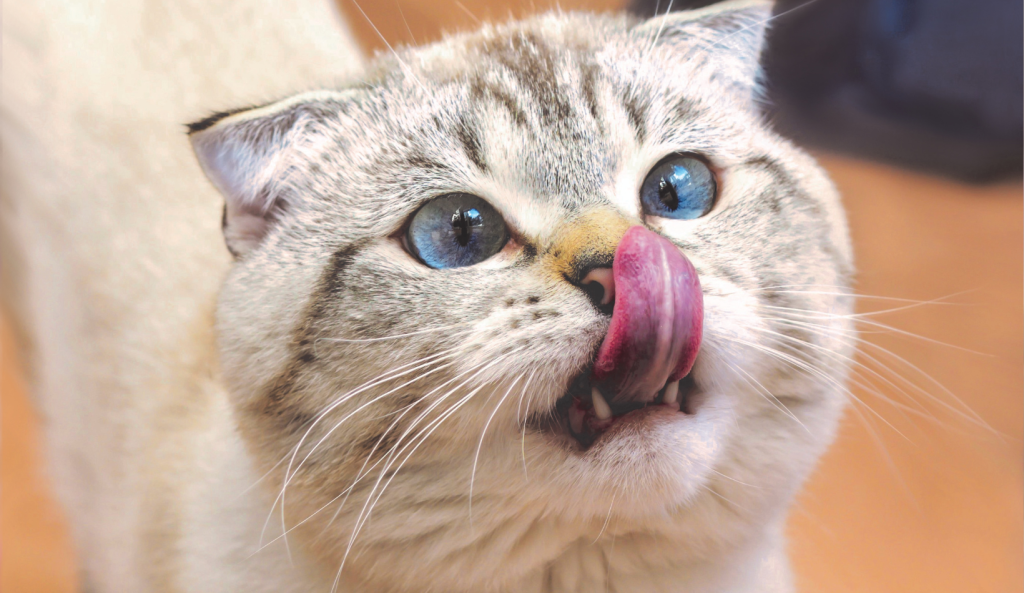
How is a cat vaccinated?
Cat vaccinations are the most reliable and effective protection against infectious diseases. Cat vaccines are safe because the active ingredients are inactive natural microorganisms or their components. When vaccinating cats in our veterinary clinic, we first allow the cat to get used to the environment and calm down a little. Then the vet injects the vaccine under the cat’s skin.
Vaccination certificate for cats. What is it?
The cat vaccination certificate is a booklet that proves that your pet has been vaccinated. The veterinarian who issues the cat’s vaccination certificate must fill in all the required fields on both the animal and the owner. Furthermore, the vaccination certificate specifies the types of vaccines with which the cat was vaccinated, the validity period of the vaccination, the stamp and the signature of the veterinarian.
Leer mas Sterilization and neutering of Hippo cats
The cat passport is a document prepared according to the form approved by the European Union and is necessary when traveling within the European Union. The cat passport contains the animal’s data: the microchip code, the anti-rabies vaccination booklet, the contact details of the owner and the veterinarian who filled out the passport.
The cost of vaccinations for cats
The question arises spontaneously: how much do cat vaccinations cost? The price of cat vaccinations depends on the type of vaccine you want, so we will provide all information on vaccinations and their prices via telephone or email.
The veterinarians at the Begemotas Veterinary Medical Center will provide you with all the information you need about the health and care of your pet. The caring and professional specialists at Begemotas will ensure that your cat or kitten feels comfortable throughout the visit and that the vaccination process is painless and quick.
latest posts published

Belgian Malinois: characteristics of the dog breed

Norwegian Buhund: characteristics of the dog breed

Caring for the Chinese Water Dragon

The best brushes for cats

How to choose the best chew toys and treats for your dog

How to train your puppy to walk on a leash

Czech Terrier (Cesky Terrier): characteristics of the dog breed

Pembroke Welsh Corgi: characteristics of the dog breed

The best bags for carrying cats