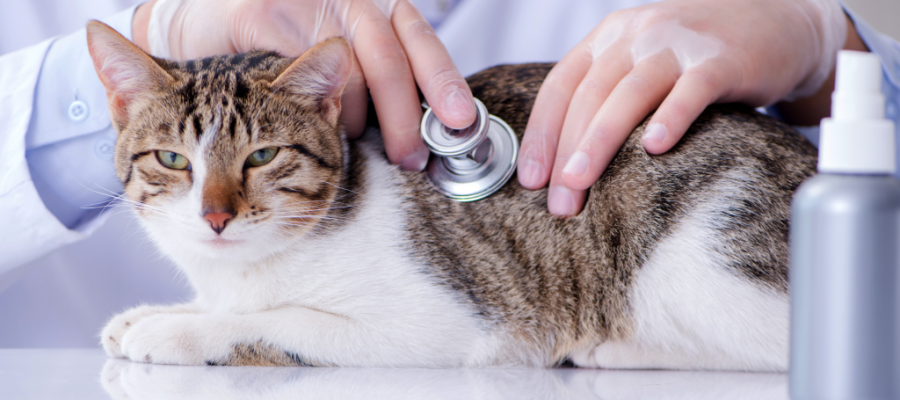
Although mammary gland tumors can be benign or malignant, most of them are malignant and require prompt and thorough treatment.
Understanding the causes, symptoms, possible treatments and the importance of prevention can help owners ensure the well-being of their pets.
Types of mammary gland tumors
Cat mammary gland tumors are divided into two main categories: benign and malignant tumors. Unfortunately, more than 85% of cat mammary gland tumors are malignant, so they often progress rapidly and can spread to other organs.
- Benign tumorslike adenomas, they are rare and usually do not pose a threat to the animal’s health. They typically grow slowly and do not spread to other tissues. However, even benign tumors can become a problem if they become too large or press on surrounding organs.
- Malignant tumorslike adenocarcinomas and carcinomas, they are the most common and require aggressive treatment. These tumors have a high risk of metastasis: they can spread to nearby lymph nodes, lungs, liver and other vital organs. Malignant tumors are often aggressive, so early diagnosis is particularly important to improve long-term survival rates.
Causes of mammary gland tumors in cats
As is the case with dogs, the main risk factor for cats developing mammary tumors is their hormonal status. Unneutered cats or those neutered late (after several heat cycles) are at greater risk of developing this disease.
Leer mas Sterilized and neutergan cats – Begemotas
Cat hormones, particularly estrogen and progesterone, play an important role in the development and growth of the mammary glands, and excessive amounts can promote abnormal growth of mammary gland tissue, which can later become malignant.
Sterilization at an early age is one of the most effective ways to reduce the risk of mammary gland tumors.
Studies show that cats spayed before their first heat have a significantly lower risk of developing mammary gland cancer than those spayed later.
In addition to hormonal factors, age also plays an important role. Older cats (usually over 10 years old) are more likely to develop mammary tumors.
Leer mas Cat Lifespan: How Long Do Cats Live?
Additionally, certain breeds of cats, such as Siamese cats, are more prone to this disease, although it can occur in cats of any breed.
Symptoms of mammary gland tumors in cats
In the early stages, mammary gland tumors may not cause noticeable symptoms, so they can be difficult to detect. Most often, cat owners notice small lumps or swellings in the lower part of the abdomen, where the mammary glands are located. Tumors can range in size, from small pea-sized nodules to larger, immobile masses.
Cat tumors are often painful and in the later stages they can cause ulceration, bleeding and inflammation. Cats may start licking the affected area due to pain and discomfort, which can cause further damage to the skin.
If the tumor is malignant and metastasizes, cats may begin to exhibit systemic symptoms such as weight loss, decreased appetite, weakness, or abdominal swelling. If the mammary gland cancer metastasizes to the lungs, the cat will begin to have difficulty breathing.
Leer mas Vaccinations for cats and vaccination | Hippopotamus
If you notice these symptoms, it is very important to consult a veterinarian as soon as possible to ensure early diagnosis and begin appropriate treatment.
Treatment options for feline mammary gland tumors
Treatment of mammary gland tumors in cats depends largely on the size, location, benign or malignant nature, and spread of the tumor. Most tumors require surgical treatment, but in some cases additional treatment, such as chemotherapy or radiation therapy, may be necessary.
- Surgery is the main treatment method for mammary gland tumors in cats. If the tumor is benign, a smaller excision with narrower surgical margins can be performed. However, if the tumor is malignant, it is recommended to perform a wide excision of the mammary gland chain (mastectomy) to reduce the risk of tumor recurrence and metastasis. In some cases, especially if the cancer has spread to multiple glands, it may be necessary to remove the entire mammary gland chain from one side of the body. This is a more extensive operation, but it can help prevent the spread of the tumor and prolong the cat’s life.
- Chemotherapy it is often used as an adjunctive treatment for malignant tumors. It can be used after surgery to destroy any remaining tumor cells and reduce the risk of the tumor returning, or in cases where surgery is not possible due to the extent of the tumor. The goal of chemotherapy is to slow the spread of the cancer and relieve symptoms, although it may not always lead to a complete cure.
- Nonsteroidal anti-inflammatory drugs (NSAIDs)such as meloxicam or piroxicam, can be used to reduce inflammation and pain associated with breast tumors. Additionally, some NSAIDs may also help inhibit tumor growth, particularly in cases of malignant cancer.

The importance of early diagnosis and treatment
If you notice any signs of mammary gland tumor in your cat, it is very important to consult a veterinarian as soon as possible. Early diagnosis and timely treatment can help save your pet’s life and ensure a better quality of life.
At Begemotas Veterinary Clinic in Vilnius, oncologist Gabrielė specializes in the diagnosis and treatment of cancer in cats and other animals.
Leer mas Dog allergies: what to do?
Edmundas soft tissue surgeon can offer professional surgery for your pet. Together, these specialists can provide you with detailed consultations and develop an individual treatment plan for your cat.
Don’t leave your pet’s health to chance: the sooner you notice a problem and consult a specialist, the better your chances of treating it and ensuring a longer, healthier life for your cat. Sign up for a consultation today and take care of your pet’s well-bein
latest posts published

Belgian Malinois: characteristics of the dog breed

Norwegian Buhund: characteristics of the dog breed
Caring for the Chinese Water Dragon

The best brushes for cats

How to choose the best chew toys and treats for your dog

How to train your puppy to walk on a leash

Czech Terrier (Cesky Terrier): characteristics of the dog breed

Pembroke Welsh Corgi: characteristics of the dog breed

The best bags for carrying cats