
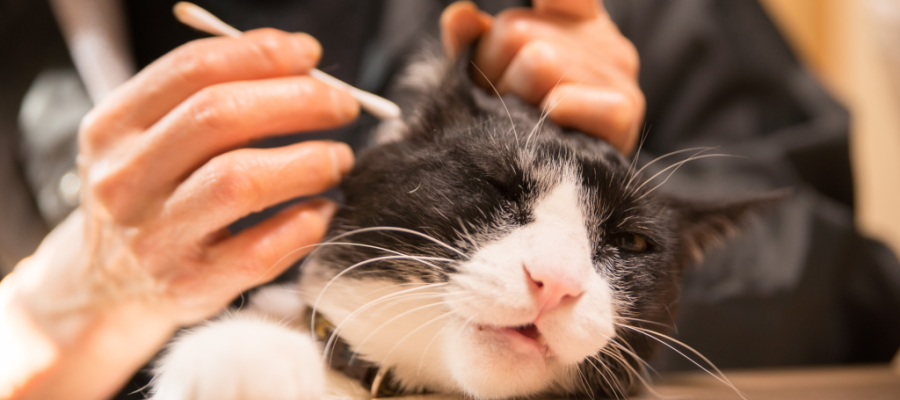
Feline ear diseases can pose a challenge for cat owners, as they can cause discomfort or pain for their beloved pet to clean and care for. Owner awareness of various diseases, their symptoms, diagnosis and treatment options is essential to ensure the well-being of cats.
Causes of ear diseases in cats
Cat ear diseases can range from simple inflammation to serious infections or even tumors. The most common diagnoses in veterinary clinics are:
Inflammations
Cat ears are sensitive to various bacteria and fungi that can cause inflammation. During otitis in cats, the ears are red, the tips of the ears may bend, cats try to scratch them, shake their heads.
Parasites (cat ear mites)
Cat ear mites It is one of the most common causes of ear disease in cats. It is a parasitic infection caused mainly by small mites Otodectes cynotis, species. Ear mites can cause severe itching, inflammation, and even skin damage. The cat’s ears start to hurt and he may rub or scratch them, sometimes causing bleeding or even infection.
Leer mas The most popular cat breeds in Lithuania
Ear mites in cats are diagnosed by microscopic examination of ear secretions at the veterinary clinic. Treatment for ear mites in cats includes topical and systemic medications. Cat ear mite medications, such as ear drops or ointments, are used directly to clean and treat the ears.
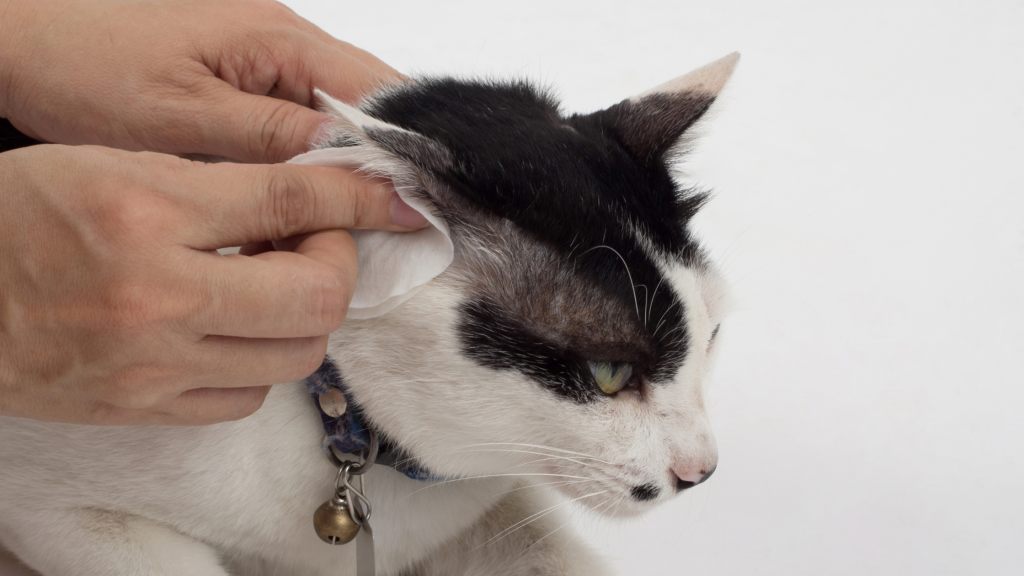
Treatment for ear mites in cats can only be prescribed with the help of a veterinarian. Additionally, systemic medications such as tablets or injections may be prescribed to help fight a secondary bacterial or fungal ear infection.
It is important to start treatment for ear mites in cats as soon as possible and ensure that treatment is prescribed at the veterinary clinic, as incorrect or incomplete treatment can lead to recurrence of the infection or complications. It is also important to perform proper environmental cleaning to remove ear mite eggs from the cat’s environment: beds, litter box, etc. To prevent new infections, it is recommended to regularly check and clean your cat’s ears and use antiparasitic products.
Symptoms of ear diseases in cats
Symptoms of ear disease in cats can vary greatly depending on the nature and severity of the disease. Some of the most common symptoms include:
Leer mas Dog allergy: what to do?
- Itching and rubbing of the ears. A regular cat owner complains that the cat scratches its ears, which is why it often rubs its head against environmental objects or scratches them.
- Odor and presence of dark secretions. Inflammation or infection of a cat’s ear can cause an unpleasant odor from the earlobe, and there may also be a noticeable discharge: yellowish, bright yellow, brownish, pink or even dark brown or black.
- Apathy and not eating. Ear diseases in cats can cause general discomfort that manifests as apathy, poor appetite or even depression. Inflammation of the cat’s ears can become complicated and cause disorders throughout the body, the animal may have a high fever and digestion may be disturbed.
Diagnosis of cat ear diseases
Diagnosing cat ear diseases can be challenging without special equipment and complications. Veterinarians can do the following to diagnose:
- Physical exam. This includes a thorough examination of the cat, examining the ears, skin and mucous membranes, taking samples for microscopy or bacterial and fungal testing.
- Earwax swab test. An ear swab can be examined under a microscope to detect infections or parasites. The smear can be stained with special dyes and examined under a microscope to determine the type of bacteria. It is also possible to identify resistance to antimicrobial drugs and prescribe an even more precise treatment method.
- Otoscopy and computed tomography. These tests are performed if the veterinarian suspects that the problem may be related to the internal structure of the ear or a tumor process.
Treatment of cat ear diseases
Any type of ear disease in cats can only be diagnosed and treated by a veterinarian. The treatment method depends on the type and severity of the disease. In veterinary clinics the following treatments are usually prescribed:
- Medicinal systemic treatment. Depending on the diagnosis, antibiotics, antifungal or antiparasitic drugs may be prescribed.
- Local medical treatment. Special medicines can be dripped into the ear to help fight inflammation or infection. Most often these are pesticide preparations designed not only to kill cat ear mites, but also to clean the ears.
- Surgical method of treatment. In some cases, such as tumors or polyps, surgical treatment may be necessary.
Prevention of cat ear diseases
Like most diseases, ear diseases in cats can be partially prevented by following preventative measures:
- Regular ear cleaning procedures. Regularly cleaning and caring for your cat’s ears can help prevent many problems.
- Periodic veterinary checks. Modern veterinary medicine encourages checking the animal’s health at least once a year. Early diagnosis of any problem and timely initiation of appropriate treatment improves the quality and length of your cat’s life.
Where to go for cat ear diseases?
Specialists of the Begemots veterinary clinic in Vilnius remind us that cat ear diseases can be uncomfortable for both the cat and its owner. Early diagnosis and proper treatment can reduce discomfort and keep your kitten happy and healthy. If you notice any unusual symptoms, don’t hesitate to contact your veterinarian for professional help.
Leer mas Cat Fleas: How to Get Rid of Fleas on a Cat?
Veterinary clinic in Vilnius – «Begemota» provides all diagnostic and treatment services, so you can receive comprehensive care for your pet in one place. In the clinic, the team of professionals pays great attention to the well-being and comfort of the animals. Each pet is carefully cared for to minimize stress and ensure the best treatment results
latest posts published

Belgian Malinois: characteristics of the dog breed

Norwegian Buhund: characteristics of the dog breed

Caring for the Chinese Water Dragon

The best brushes for cats

How to choose the best chew toys and treats for your dog

How to train your puppy to walk on a leash

Czech Terrier (Cesky Terrier): characteristics of the dog breed

Pembroke Welsh Corgi: characteristics of the dog breed

The best bags for carrying cats
