Canine diabetes, also known as canine diabetes mellitus or canine diabetesis an increasingly common chronic disease that affects a dog’s ability to use insulin. It is a serious health condition that can significantly affect a dog’s quality of life.
With proper diagnosis and treatment, affected dogs can live long and fulfilling lives, so it is important to know the main symptoms of the disease, possible causes, treatment methods and prevention principles.
Diabetes in dogs: what is it and why does it occur?
Diabetes mellitus in dogs occurs when the pancreas no longer produces enough insulin or when the body becomes resistant to it. Insulin is necessary for glucose to enter cells from the blood and be used as an energy source.
When insulin production is interrupted or does not work as it should, glucose remains in the blood and begins to accumulate. This causes various health problems and can damage organs over time.
Leer mas Tick bite in cats: is it dangerous? What to do
There are several key factors that can lead to the development of diabetes in dogs:
- Overweight and obesity. This is one of the major risk factors that causes dogs to become insulin resistant and develop diabetes.
- Genetic predisposition. Some dog breeds, such as Beagles, Labradors, Dachshunds, Scottish Terriers and some others, are more prone to developing canine diabetes.
- Age. Dogs over the age of seven are at greater risk of developing diabetes, especially if they are overweight.
- Hormonal disorders. For example, Cushing’s syndrome or hyperestrogenism can contribute to the development of diabetes in dogs.
- Poor diet. An inadequate or poor diet, especially high in carbohydrates, can disrupt your dog’s metabolism and cause symptoms of diabetes.
By understanding the causes of diabetes in dogs, you can take preventative measures or spot early symptoms early.
Symptoms of Diabetes in Dogs: What’s Important to Note?
Diabetes in dogs it may develop imperceptibly at first, but there are some signs that every owner should recognize.
By noticing the symptoms of diabetes in dogs early, you can avoid serious complications, from cataracts to kidney damage. Below are the most common signs of the disease.
Leer mas Animal Therapy: How Dogs and Cats Heal People
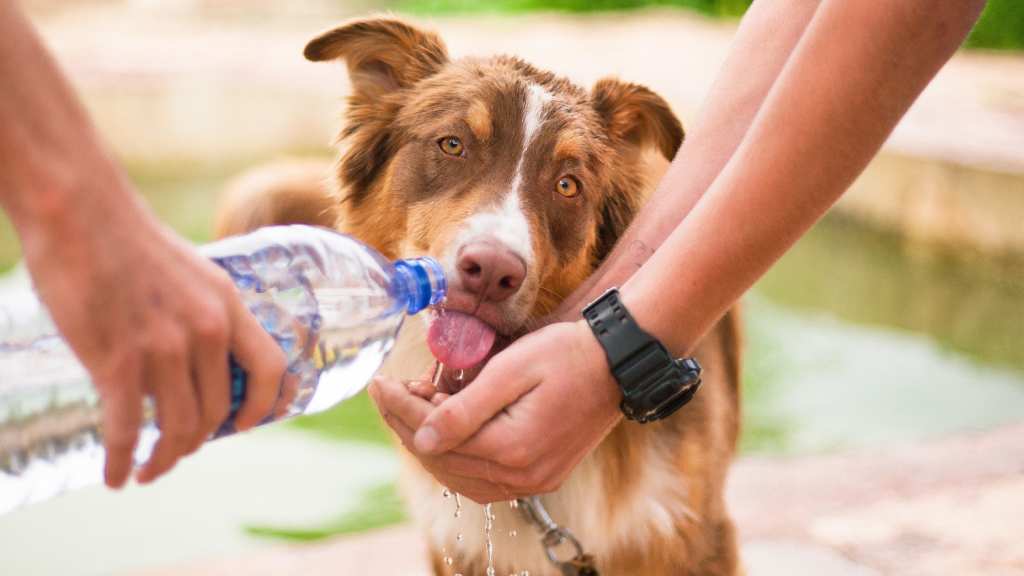
- Increased thirst and frequent urination. These symptoms are usually the first to appear and are not related to urinary incontinence in dogs. This can be so pronounced that the animal begins to urinate in the house or gets up at night to go outside.
- Weight loss despite normal or increased appetite. If your dog eats the same amount or even more than before but continues to lose weight, this is a serious sign. The body is unable to use energy from food because glucose cannot enter cells due to insulin dysfunction.
- Lack of energy and lethargy. Dogs with diabetes often appear tired, sleep more and are less interested in playing or going for walks. Lack of energy is one of the signs of failure to utilize glucose.
- Cloudiness of the eyes or cataracts. One of the most common complications of diabetes in dogs is cloudiness of the eyes, which can later turn into cataracts and cause vision problems or blindness.
- Sweet or fruity odor from the nostrils. A specific mouth odor (such as sweet or fruity) often occurs when there is an increased amount of ketones in the blood. This is one of the signs that the body has started using fat instead of glucose for energy.
Early recognition of the signs of diabetes in dogs can help prevent dangerous complications and ensure effective treatment.
How is diabetes mellitus diagnosed in dogs?
To accurately determine whether a dog has diabetes, a professional veterinary examination and laboratory testing are needed. Diabetes in dogs can manifest itself with various symptoms, but only tests can confirm the diagnosis and allow appropriate treatment to begin.
The following diagnostic methods are most commonly used:
- Blood tests. The blood glucose level is determined. If it is elevated, this is one of the main signs of diabetes. Blood tests also help evaluate your dog’s overall health and rule out other diseases.
- Urine tests. Glucose or ketones are often found in the urine of dogs with diabetes. The test helps not only diagnose the disease, but also evaluate kidney function.
- Further tests on internal organs. In some cases, echocardiography, x-rays or other instrumental tests are performed to identify any concomitant pathologies or to evaluate the dog’s condition in more detail.
Diagnosis is an essential step in ensuring your dog receives proper care and treatment. The earlier the disease is detected, the easier it is to manage.
Leer mas Dog flair for females and males
How is diabetes in dogs treated?
Treatment of diabetes mellitus in dogs is a long-term process that requires consistency and patience. Although the disease is incurable, it can be successfully controlled to ensure a good quality of life for your dog. The appropriate treatment is always chosen on an individual basis, taking into account the dog’s health, age, weight and other factors. Below we will discuss the main methods of treating diabetes in dogs.
Insulin therapy
This is the primary and most important method for treating diabetes in dogs. The veterinarian prescribes an individual dose of insulin for each dog, taking into account weight, age and the course of the disease.
The injections are usually given at the same time every day, so it is very important to stick to the schedule. Although it may seem complicated at first, most owners quickly learn how to perform this procedure at home.
Special diet
A balanced diet is as important as insulin injections. Dogs with diabetes are It is recommended to eat foods that are low in carbohydrates and rich in fiberas this helps prevent sudden spikes in blood glucose levels.
Leer mas Dog incontinence: is it a serious problem?
Veterinarians often recommend therapeutic diets produced by specialized feed manufacturers. Regular feeding times and consistent portions are another important aspect of maintaining your dog’s health.
Physical activity
Regular exercise is an important part of controlling diabetes in dogs. Exercise helps you maintain optimal weight, improves insulin sensitivity, and helps your body use glucose more efficiently.
It is important that physical activity is constant and moderate. Sudden or excessively intense exercise can have the opposite effect. It’s best to take walks at the same time every day. You also need to monitor how your dog feels after the activity. If you notice lethargy or weakness, it is worth consulting your vet about making changes to the regime.
Regular health checks
For the treatment to be effective, Regular visits to the vet are necessary. During checkups, blood glucose levels are monitored and the dog’s weight, energy levels and overall health are evaluated. You may need to adjust your insulin dose or diet. Furthermore, preventive tests allow for the early detection of possible complications, such as cataracts or kidney damage.
The success of the treatment largely depends on the responsibility of the owner: the more carefully the veterinarian’s instructions are followed, the more stable the dog’s condition will be and the longer and better its quality of life will be.
How to prevent diabetes in dogs?
While dog diabetes cannot always be prevented, especially if it is caused by genetics or age, many risk factors can be controlled. A responsible approach to your pet’s diet, exercise and health care can help reduce the likelihood of disease or delay its onset.
Basic prevention principles:
- Maintain a normal weight. Obesity is one of the main factors that increase the risk of diabetes in dogs. Proper nutrition and regular exercise help maintain a healthy body weight.
- Choose balanced, high-quality foods. Food should be tailored to your dog’s age, size and activity level. Avoid too many carbohydrates and low-quality products, as they can disturb your metabolism. Proper nutrition and a balanced diet ensure that your dog receives all the nutrients he needs to maintain a healthy and correct metabolism.
- Visit your vet regularly. Preventive checkups help you detect health changes early and take action in a timely manner. Your vet can also advise you on proper nutrition and lifestyle.
- Observe your dog’s behavior. Changes such as increased thirst, appetite, or lethargy may be early warning signs. The sooner you answer, the better the prognosis.
Simple but consistent daily decisions can significantly reduce the risk of diabetes and help your dog remain healthy and energetic for many years to come.
Take care of your dog’s health
Diabetes mellitus in dogs is a serious but manageable disease. By noticing symptoms early, seeing a vet and following a treatment plan, you can ensure that your dog will live a long, active and fulfilling life.
The most important thing is to monitor your pet’s condition, choose a high-quality diet, maintain a healthy weight and remember to take him for regular checkups. The sooner you notice changes, the more likely you are to avoid serious complications.
Begemotas veterinary clinic in Vilnius and Širvintos provides professional care to dogs suffering from diabetes mellitus: from accurate diagnosis to personalized treatment plan. If you have noticed possible signs of the disease or would like advice on prevention, register for an appointment.
latest posts published

Belgian Malinois: characteristics of the dog breed

Norwegian Buhund: characteristics of the dog breed
Caring for the Chinese Water Dragon

The best brushes for cats

How to choose the best chew toys and treats for your dog

How to train your puppy to walk on a leash

Czech Terrier (Cesky Terrier): characteristics of the dog breed

Pembroke Welsh Corgi: characteristics of the dog breed

The best bags for carrying cats