
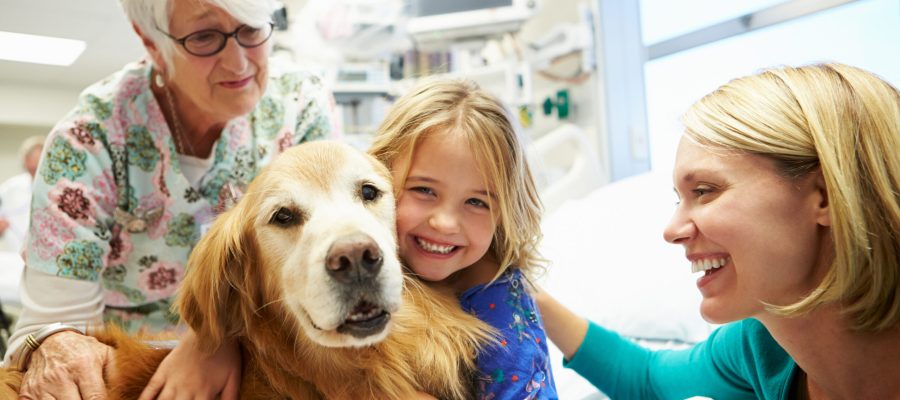
Animals have long been an integral part of human life: they bring joy, comfort and meaning. But dogs and cats can be not only friends, but also a kind of healers. Animal therapy is an increasingly popular method for improving emotional, psychological, and even physical health. Doctors and psychologists agree that contact with animals reduces stress, strengthens the heart, calms the nervous system and can even help you recover faster from illnesses.
What is animal therapy?

Animal-assisted therapy is a structured form of help in which dogs, cats, or other animals participate in the treatment process. It can be used in hospitals, nursing homes, rehabilitation centers or even in psychotherapy sessions. The most important thing is that the animal is adequately prepared and trained to work with people, because only in this way will the therapy be effective and safe.
The essence of such therapy is to create an emotional connection for a person that would help reduce tension, promote positive emotions and restore confidence. Animals do not judge, do not criticize and always accept a person as he is – this provides a unique emotional security.
Leer mas Dog flair for females and males
How animals affect the human body
Scientists have shown that petting a dog or cat reduces the stress hormone cortisol in the body, while at the same time increasing the level of oxytocin, the «love hormone.» This hormone helps you calm down, promotes trust and a sense of closeness. For this reason, animal therapy is especially helpful for people who suffer from anxiety or loneliness.
In addition to the emotional benefits, pets also have a positive effect on physical health. Regular contact with dogs lowers blood pressure, improves heart rate, strengthens the immune system and helps you recover faster after surgery or injury. Walking the dog also promotes physical activity, which is extremely important for everyone, especially older people.
Types of animal therapy
Animal therapy can take many forms, from simple emotional support to specialized sessions with therapeutic goals. The most popular forms:
1. Emotional support. Dogs or cats help people suffering from stress, pain or loneliness. Such animals often visit hospitals, nursing homes or psychological centers.
Leer mas Dog incontinence: is it a serious problem?
2. Rehabilitation therapy. Specially trained animals help people with physical or psychological disorders, for example after a stroke or trauma. They motivate movement, help develop motor skills and provide emotional support.
3. Therapeutic sessions for children. Animals help children on the autism spectrum or with emotional difficulties. They teach empathy, social skills and help you open up.
Dogs are faithful guardians of emotional health
Dogs, due to their attachment and ability to recognize human emotions, are often chosen for animal therapy. They are able to instinctively calm a person, sense stress or sadness, and respond with a gentle touch or simply presence. Studies show that people who own dogs are less likely to suffer from depression, have lower blood pressure and live longer.
Dogs also help people with physical disabilities: so-called assistance dogs can fetch things, warn of an impending epileptic seizure or help disabled people get around. Such animals become not only assistants, but also real life companions.
Leer mas Dog epilepsy and what to do during an epileptic seizure
Cats are silent healers
Cats, although less active than dogs, have a unique healing effect. Their purrs produce low-frequency sounds that have been shown to calm the nervous system and even promote tissue healing. Purring vibrations can act as a natural relaxation therapy, reducing anxiety, improving sleep and even helping you recover from bone injuries.
Additionally, cats create a sense of security and peace. Their presence in the home promotes tenderness, empathy and helps to free oneself from the sense of loneliness. Psychologists note that even a short time with a cat can reduce stress levels and improve mood.
Animal therapy in hospitals and care facilities
In recent years, animal therapy has been increasingly used in hospitals and rehabilitation centers. Specially trained dogs visit patients after surgery, cancer patients or the elderly in nursing homes. Such meetings lift the mood, promote positive emotions and even reduce the feeling of pain.
Animal therapy sessions often help patients who have difficulty interacting with people. The animal becomes a mediator that allows you to open up without fear or shame. It is an invaluable resource in the healing process, especially when it comes to emotional rehabilitation.
Leer mas Why does the dog eat? – Hippopotamus
ALL
Is animal therapy suitable for everyone?
In most cases yes, but people with severe allergies or who are afraid of animals should consult a specialist. The therapy is personalized.
Is animal therapy replacing traditional treatment?
No, it complements, but does not replace, medical or psychological treatment. Animal therapy acts as an emotional support tool that enhances the overall healing process.
How long does an animal therapy session last?
Usually 20 to 60 minutes, depending on the patient’s needs and health. The most important thing is regularity and a reliable tandem animal trainer.
Can animal therapy be used at home?
Yes, if the animal is adequately prepared and the person feels comfortable. Even simply spending time with your pet can have a therapeutic effect.
Animals are our natural healers
Animal therapy reminds us of a simple truth: healing doesn’t have to be complicated. A dog or cat can do what medications sometimes can’t: provide peace, warmth, and unconditional acceptance. These feelings, according to specialists, are the most powerful medicines against stress, loneliness and emotional exhaustion in the modern world.
latest posts published

Belgian Malinois: characteristics of the dog breed

Norwegian Buhund: characteristics of the dog breed

Caring for the Chinese Water Dragon

The best brushes for cats

How to choose the best chew toys and treats for your dog

How to train your puppy to walk on a leash

Czech Terrier (Cesky Terrier): characteristics of the dog breed

Pembroke Welsh Corgi: characteristics of the dog breed

The best bags for carrying cats
