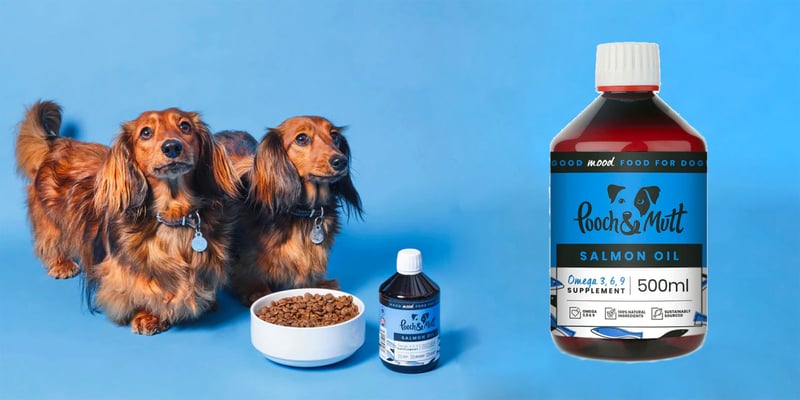
Useful food supplements for dogs? Many dog owners ask themselves this question. They are often not sure whether such preparations are really necessary. The good news: There is clear evidence about when and why dietary supplements can be beneficial. In this article, you will learn what your dog’s nutritional needs are and when supplements may be helpful. Read on to find out more!
What are your dog’s nutritional needs?
Your dog’s nutritional needs are critical to his health and well-being. Every dog is unique, but some basic nutrients are universally important. They not only support daily activities, but also your dog’s growth, immune function, and overall life.
Proteins

Protein is essential to your dog’s diet. They promote muscle growth, tissue repair and overall health. Protein provides amino acids that dogs cannot produce on their own. These amino acids support immune function, skin and coat health, and energy levels. Examples of good sources of protein include fish, chicken, lamb and eggs.
Leer mas Poodle profile
Slices
Fats are an important part of a dog’s diet. They provide a concentrated source of energy, support brain function, and promote healthy skin and a shiny coat. They also aid in the absorption of fat-soluble vitamins (A, D, E and K) and contribute to overall cell health. Important sources of fat are fish oil (e.g. salmon oil), chicken fat and flaxseed oil.
Carbohydrates
Carbohydrates provide dogs with a quick and efficient source of energy, supporting their daily activity levels. They also provide essential fiber for healthy digestion and help keep blood sugar levels stable. Examples of carbohydrate sources include sweet potatoes, brown rice, and oatmeal.
Dietary fibres
Dietary fiber is important for your dog’s digestive health. They promote regularity of bowel movements and prevent constipation. Fiber supports gut health by nourishing beneficial bacteria and regulating blood sugar levels. Good sources of fiber include pumpkin, sweet potatoes, carrots and oats.
Vitamins and minerals
Vitamins and minerals are crucial to your dog’s overall health. They support immune function, bone health, energy production and proper metabolic processes. They also help maintain healthy skin, a shiny coat and healthy eyes. Examples include vitamins A, D, E and K, as well as calcium, phosphorus and zinc.
Leer mas Panda cory catfish profile
Waterfall
Water is essential for your dog’s health. It supports hydration, aids digestion, regulates body temperature and aids in the transport of nutrients. Since dogs don’t always drink enough water, moisture-rich foods can help keep them properly hydrated. A good water supply is critical for overall health, joint function and maintaining organ health.
Let’s now talk about the right time to take supplements:
When should I give supplements to my dog?
Not all dogs need nutritional supplements. But for some it might make sense. For example, older dogs. Sometimes they have special needs. Joint problems are often a problem. Special supplements can help here.
Even with certain health conditions. For dogs with allergies, for example. Another example is digestive problems. Here too, supplements can help. But be careful: don’t just give it away. It’s importantask your vet first. Knows your dog’s individual needs. Sometimes small adjustments to your diet are enough. Supplements should always be used specifically.
Leer mas Provide first aid if your dog is in danger of suffocation
Don’t forget to pay attention to quality. High-quality products are key here. After all, your dog should get only the best. There are no patented recipes. Each animal is unique. Analyze the situation well. Then make the right decision.
This way you can better evaluate when nutritional supplements are useful for your dog.
How do I choose the right supplement for my dog?
Choosing the right supplement for your dog can be difficult, but with a few simple tips you can make the best decision. First of all you should age and health-related needs your dog’s needs. Is your dog elderly or has health problems, such as joint problems or skin allergies? These factors play an important role in the choice of supplements.
Examine the Supplement ingredients. Make sure they contain high-quality, natural ingredients. Avoid products with unnecessary additives or fillers. Reputable manufacturers usually guarantee better quality, so research the brand before purchasing a product.
Leer mas Steckbrief Banggai-Kardinalbarsch
Think about it, what specific advantages you strive through supplements. For example, omega-3 fatty acids could be beneficial for a shiny coat and healthy skin, while glucosamine promotes joint health. If possible, look for products that are recommended by veterinarians or that have good reviews from other dog owners. In the Just Russel Shop, for example, you can find high-quality food supplements which, among other things, guarantee a shiny coat, better digestion or more elastic joints.
That’s always a good idea, too Advice from a vet before making a decision. A veterinarian can evaluate your dog’s specific needs and make appropriate recommendations.
Ultimately, it matters be patient. Not all supplements have an immediate effect. Give your dog time to get used to the new supplement and monitor him carefully for any improvements or possible side effects. Your dog will thank you.
latest posts published

Belgian Malinois: characteristics of the dog breed

Norwegian Buhund: characteristics of the dog breed

Caring for the Chinese Water Dragon

The best brushes for cats

How to choose the best chew toys and treats for your dog

How to train your puppy to walk on a leash

Czech Terrier (Cesky Terrier): characteristics of the dog breed

Pembroke Welsh Corgi: characteristics of the dog breed

The best bags for carrying cats