Constrictor snakes, (members of the taxonomic family Boidae), are a diverse group of snakes. Several varieties are popular as pets, and while some may be beneficial to novice snake owners, many are not.
These snakes share the common characteristic of killing prey by suffocation, but there are significant differences in habitat, natural history and care requirements. Although the terms boa and python often bring to mind large killer snakes, this is not the full picture.
Names: Python (Python regius) Red-tailed python or boa constrictor (Boa constrictor imperator or Boa constrictor constrictor); Burmese python (Python bivittatus) Reticulated python (Python reticulatus) and others
Measure: it is between 4.5 and 6 m (or more) long and weighs about 91 kilograms
Leer mas Bulldog: Characteristics of the dog breed | aeinoticia
Whole life: Depending on the breed it can live up to 50 years
The behavior and temperament of constrictor snakes
There are large and potentially dangerous snakes in this group, but smaller, docile members of the family can make attractive pets. Some are quite curious, active and easy to tame.
Unfortunately, there have been several cases of large pythons causing serious injury and even death to humans, both children and adults. Although this has occurred with very large constrictor snakes, these are certainly isolated events. However, risks exist and proper education and precautions are needed to prevent tragic accidents.
Don’t buy an unhealthy snake, and if you already have snakes in your home, quarantine a new arrival for at least three to six months (and always be sure to wash your hands before handling a snake).
Leer mas Clever ideas for disguising your cat’s litter box
Home to constrictor snakes
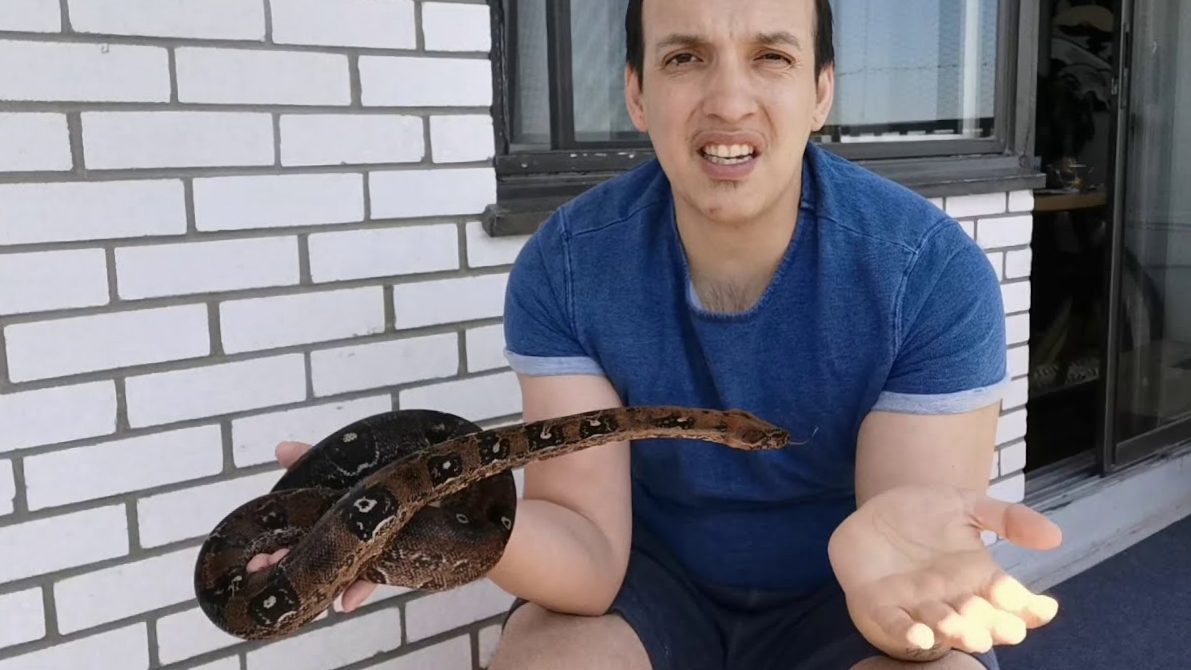
A length of 2.5 m is often recognized as a safety threshold; any snake that reaches a length of more than 2.5m as an adult requires a very secure enclosure and experts often recommend that two people be present to handle such large snakes. It’s a good idea to have a trainer for every meter of snake; for example, three people handling a 3 meter snake and four people for a 4 meter snake.
Feeding is a vulnerable time for owners of large snakes and it is recommended that at least one other person be present during feeding to assist if necessary. (Most constrictor snakes eat only once every 10 to 14 days.)
Other important considerations besides size include source, animal needs, and species-specific housing. There is significant variation in care and housing arrangements between different species.
Leer mas Crab 7-11 (Spotted reef crab)
Food and water
The general rule about feeding any breed of snake is to avoid feeding prey larger than the widest part of the snake’s body. While you should never feed your boa constrictor or python by hand, you should avoid handling it for at least a day after it has eaten. There is a high chance of regurgitation if the snake is not given enough time to digest the prey.
Most boas and pythons prefer to hide while eating prey. Their homes should have hidden boxes for this purpose; you can expect your pet to disappear into a hidden area during the meal and for a day or two afterward.
If you have the space and resources, many experts recommend feeding large snakes in an enclosure separate from the home cage. This way they tend to associate feeding only with the cage and are less likely to approach a person who enters their home.
The choice of the constrictor snake
Burmese pythons are generally gentle, but they are extremely large and powerful snakes. They are among the most popular breeds kept as pets, but it is important to note that Burmese have also been involved in fatalities.
Leer mas Traveling with your dog: a good idea?
Red-tailed boas (commonly known as boa constrictors) are not as large, but they are still powerful and not recommended for beginners.
Reticulated pythons grow very large and have a reputation for having an unpleasant disposition; they are only suitable for experienced operators. Reticulated pythons are the longest snakes in the world and are excellent swimmers.
Captive-bred snakes are preferable to wild-caught ones because captive-bred snakes are generally more docile, less nervous, less stressed and have fewer diseases. It may also be easier to feed them, especially with killed prey.
Tree-dwelling pythons and boas tend to have more stringent housing and humidity/environmental control requirements; they may represent a greater challenge than terrestrial species.
The best constrictor snake for beginners is the ball python, although it is known to refuse to feed in captivity: make sure your snake is bred in captivity and, if possible, ask the seller to demonstrate how it feeds. Also consider the snake’s longevity: a healthy ball python, for example, can live 30 to 40 years.
All of these snakes are carnivores and most experts recommend feeding them killed prey. Not only is it easier for the owner, but there is no risk of the snake being bitten or injured by prey; a mouse or rat can cause significant harm to a snake if given the chance.
Common health problems
Inclusion disease (IBD) is a major concern in constrictor snakes. This virus is fatal in symptomatic pythons and boas. It’s impossible to say for sure whether a snake has been exposed (and some snakes are asymptomatic carriers), and it can take several months for signs to appear.
If a snake shows symptoms of IBD, it may have difficulty shedding, anorexia, constipation, tremors, and loss of motor control. Many snakes affected by this disease starve to death because they cannot digest their food.
Constrictors, like many other reptiles, are also susceptible to respiratory infections and mouth rot or stomatitis. Mouth rot will manifest itself as a reddish discoloration around and in the animal’s mouth. A snake with a respiratory infection will breathe with its mouth open or hiss.
All of these conditions should be treated by an experienced reptile veterinarian, ideally one experienced in constrictors.
Breeds of constrictor snakes
If you are determined to have a constrictor as a pet, there are some breeds you should consider that are better suited to captivity.
- Royal python
- The boa constrictor snake
- Burmese peak
Read also: The best cameras for pets
latest posts published

Belgian Malinois: characteristics of the dog breed

Norwegian Buhund: characteristics of the dog breed
Caring for the Chinese Water Dragon

The best brushes for cats

How to choose the best chew toys and treats for your dog

How to train your puppy to walk on a leash

Czech Terrier (Cesky Terrier): characteristics of the dog breed

Pembroke Welsh Corgi: characteristics of the dog breed

The best bags for carrying cats