Cats are very sensitive animals and their behavior is often a direct indicator of how they feel about the conditions of the toilet. The wrong litter box can cause not only discomfort, but also more serious behavioral and health problems. In this article, we will discuss five key signs that it’s time to change litter types.
1. The cat avoids using the toilet

One of the most obvious signs is that the cat is wandering around the litter box. If you notice that the animal is increasingly looking for alternative places for its business, the problem may lie in the litter box. Cats have a very sensitive sense of smell and sensitive feet. Excessively smelly, dusty, or coarse litter can repel even the most well-trained pet.
2. Throw waste near the box
If the cat becomes agitated after going to the toilet, tries to get out of the litter box as quickly as possible, or furiously throws litter out of the litter box, this may indicate that the texture is uncomfortable for the cat. Tofu cat litter often becomes a solution to such problems, as its texture is softer and gentler than traditional clay litter. It is also much less dusty.
Leer mas Euthanasia of a hippopotamus cat
3. Visible allergic reactions
If you notice that your cat sneezes frequently when using the toilet, has watery eyes or a red nose, it could be an allergy to dust or ingredients in the litter. Traditional bentonite litter can release fine dust particles that enter your cat’s airways and cause irritation. Silicone cat litter is one of the best choices for allergy-prone pets because it is completely dust-free and hypoallergenic.
4. Strange behavior in the bathroom
Observe the cat’s behavior in the litter box. If she jumps in and out quickly without finishing her business, wiggles her paws more than usual, or seems restless, these are clear signs that something is wrong. Some cats may also «protest»: doing their business on the surface of the litter box, but not burying it. It means she doesn’t like the texture or smell.
5. Litter sticks to paws
If you notice that after each use of the litter box, pellets remain between the cat’s toes, on the paws or even on the fur of long-haired cats, it is a sign that the litter box needs to be changed. Choosing the right litter can avoid this problem. Quality litter has optimal pellet size and consistency that does not stick to the fur.
What if you recognized these signs?
If you notice at least one of the following signs, it’s time to reconsider your choice of litter box:
Leer mas What is the normal temperature for cats?
- Eliminate the possibility of medical causes – consult your vet, especially if behavioral changes appear suddenly. Some symptoms may be related to urinary tract diseases.
- Experiment with different types – every cat is unique. If you use bentonite litter, try a tofu or silicone version. Make the transition gradually, mixing the old and new litter over 7 to 10 days.
- Consider age and health – older cats or those with joint problems prefer softer litter. A safe, non-toxic option for cats.
- Choose quality – when looking for a reliable supplier it is important to choose specialized shops where you will find a vast assortment cat litter choice.
More tips
Don’t forget that the problem may not just be in the litter box:
- Cleaning – cleaning should be carried out daily
- Box dimensions – a box that is too small causes discomfort
- Place – the box should be in a quieter place
- Quantity of waste – the optimal layer is 5-7 cm
Your cat’s behavior is the best indicator that you have chosen the right litter box. Observe your pet’s reactions and don’t be afraid to experiment with different options. The best cat litter is the one your cat likes. Investing in suitable, quality bedding not only ensures a cleaner home, but also a happier, healthier pet.
conlusion
Cats are highly sensitive creatures, and their behavior often reflects how comfortable they feel in their environment—especially when it comes to something as important as their litter box. What may seem like a small detail to us, such as the type of litter used, can have a significant impact on a cat’s well-being. Recognizing the signs that indicate dissatisfaction with their litter is essential for maintaining both their physical health and emotional comfort.
When a cat begins to avoid the litter box, shows signs of discomfort while using it, or starts eliminating in inappropriate places, it is often a clear signal that something is wrong. These behaviors should not be dismissed as simple disobedience. Instead, they are a form of communication, a way for the cat to express that their current litter setup is not meeting their needs. Ignoring these signals can lead to more serious issues, including stress, anxiety, and even medical problems such as urinary tract infections.
Leer mas Vaccinations and vaccinations for dogs | Hippopotamus
Changing the type of litter at the right time can make a significant difference. Factors such as texture, scent, dust levels, and cleanliness all play a role in how a cat perceives their litter box. Some cats prefer softer, unscented litter, while others may react negatively to strong fragrances or excessive dust. By paying attention to your cat’s preferences and observing their behavior closely, you can create a more comfortable and inviting environment for them.
Additionally, making adjustments early can prevent long-term behavioral problems. Once a cat develops a negative association with the litter box, it can be difficult to reverse. Acting promptly not only improves your cat’s daily comfort but also helps maintain a harmonious home environment. A happy cat is more likely to display relaxed and positive behavior, strengthening the bond between pet and owner.
In conclusion, understanding your cat’s behavior and responding to their needs is a key part of responsible pet care. The litter box is more than just a necessity—it is an essential part of your cat’s daily routine and overall health. By recognizing the signs that it is time to change the litter type, you ensure that your cat remains comfortable, stress-free, and healthy. Ultimately, small changes can lead to a big improvement in your cat’s quality of life.
Leer mas Vaccinations and immunizations for cats – Begemotas
latest posts published

Belgian Malinois: characteristics of the dog breed

Norwegian Buhund: characteristics of the dog breed
Caring for the Chinese Water Dragon

The best brushes for cats
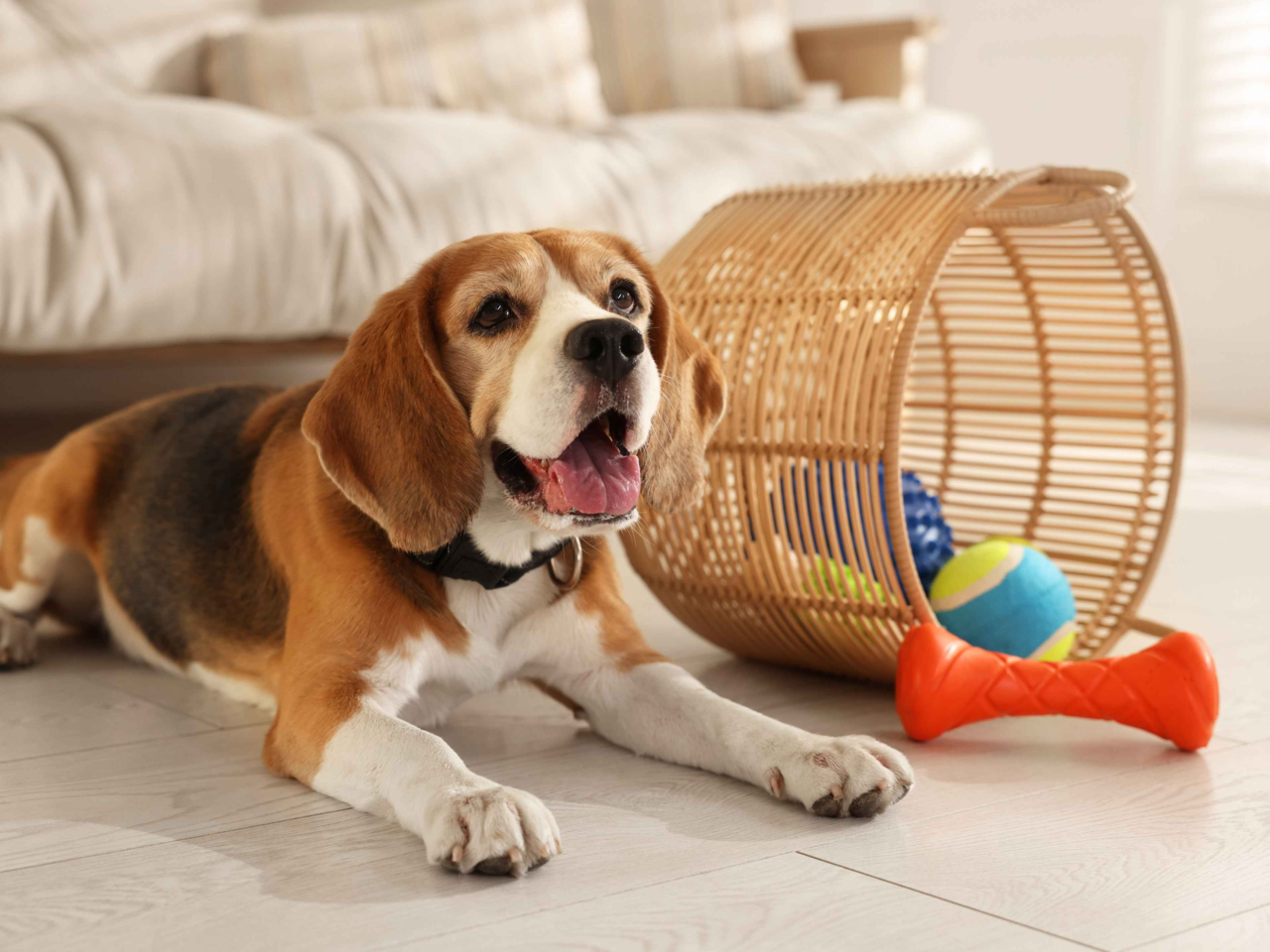
How to choose the best chew toys and treats for your dog

How to train your puppy to walk on a leash

Czech Terrier (Cesky Terrier): characteristics of the dog breed

Pembroke Welsh Corgi: characteristics of the dog breed

The best bags for carrying cats