
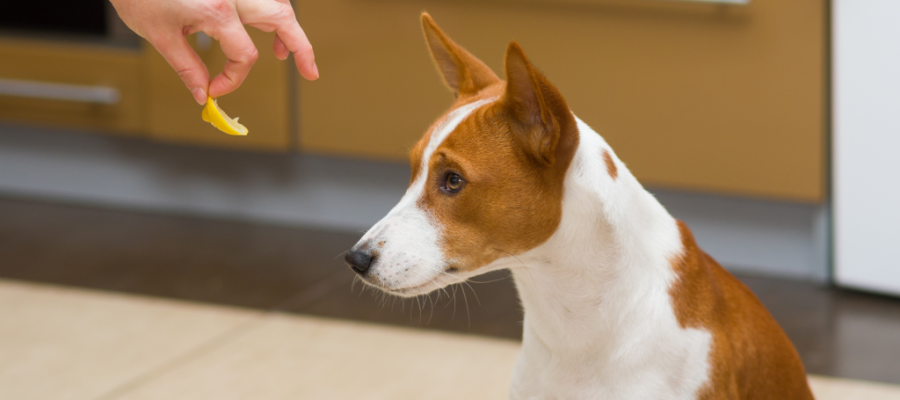
If you notice your dog not eating, this can cause anxiety and questions. Refusing to eat can be the result of either a serious health problem or a temporary situation.
However, it is important to be able to recognize the various causes and act appropriately. In this article we will talk about why the dog does not eat in general, why the dog does not eat dry food, what to do if the dog vomits and does not eat anything or how to react when the dog is shaking and not eating.
We also remind you that in case of health problems in your dog it is necessary to contact the Vilnius veterinary clinic “Begemots”, open EVERY DAY.
The main reasons why the dog doesn’t eat?
- Health problems – when a dog doesn’t eat or drink, it’s often the first sign that something is wrong with his system. One of the main reasons are diseases such as:
- Gastrointestinal disorders. If the dog vomits and does not eat anything, this could indicate poisoning, a foreign body in the stomach, or an infection of the stomach and intestines.
- Oral problems. If a dog has dental problems such as tooth decay, gingivitis, or damaged teeth, he may refuse to chew his food. This type of problem can be solved quite easily – after carrying out a professional mouth and teeth cleaning procedure.
- Infections or chronic diseases. Diseases such as kidney failure, canine diabetes or liver problems can cause a dog to refuse to eat. Also, the dog may not eat due to viral diseases if the dog’s vaccinations do not work.
- Stress and emotional factors – the dog does not eat dry food or any other food if he feels stressed. This may be related to environmental changes (moving, new pets in the house) or other stressful events. If your dog is shaking and not eating, it can also be a sign of fear or anxiety.
- Changes in diet – Dogs often refuse to eat if their food is changed. If your dog doesn’t eat dry food, he may not like the taste or texture of the new food. A dog may also become accustomed to homemade food, making dry food unappealing.
- Age factor – Older dogs may start to eat less due to slower metabolism or health problems. If your dog is shaking and not eating, it may mean that he is suffering from pain or senile diseases such as arthritis.
How to react if the dog doesn’t eat?
If you notice that your dog is not eating or drinking, you need to observe his behavior and symptoms. Below are some scenarios and an action plan:
Leer mas Cat skin diseases and their symptoms. When should you consult a vet?
- The dog does not eat dry food – when the dog refuses dry food, see if he accepts other food, for example wet food. If it lasts more than a day and your dog refuses to eat wet food, consult a veterinarian. An examination and additional laboratory tests may be necessary.
- The dog vomits and doesn’t eat anything – Vomiting and complete refusal of food are serious symptoms. This could indicate poisoning, viral infection, or a foreign body in the stomach. Contact a veterinary clinic immediately.
- The dog trembles and does not eat – if the dog trembles, he may feel severe pain, fear or be in a state of hypothermia. Record further symptoms and seek veterinary care immediately.
- The dog does not eat or drink – Dehydration can be very dangerous. If you notice that your dog is not drinking water, you can offer it to him with a syringe without a needle or an electrolyte solution specially designed for animals.
How to help a dog at home?
If the dog’s condition is not very serious, you can try several measures:
- Offer alternative foods – if your dog doesn’t eat dry food, try mixing it with wet food or broth. Some dogs prefer to eat cooked chicken, pureed pumpkin or rice.
- Promote hydration – if the dog does not eat or drink, you can offer him water with juices or special electrolyte solutions. You can inject water into his mouth with a syringe, but don’t force it.
- Create an environment of peace – when the dog is shaking and not eating, give him a cozy and warm place. This will reduce stress and help him feel safe.
- Check your dog’s symptoms – look out for other symptoms such as lethargy, vomiting, diarrhea or unnatural posture. This can help determine what the root cause of the problem is.
- Check your dog’s teeth regularly – Oral problems are a common reason why a dog won’t eat dry food.
- Do not allow your dog to eat unknown or potentially toxic products – which can cause poisoning.
- If you notice that your dog is vomiting and not eating anything, do not feed him for several hours – to help his stomach recover, but make sure he gets enough water.
Many owners don’t realize that the digestive tracts of dogs and humans are different and what works for humans may not be suitable or even poisonous for dogs.
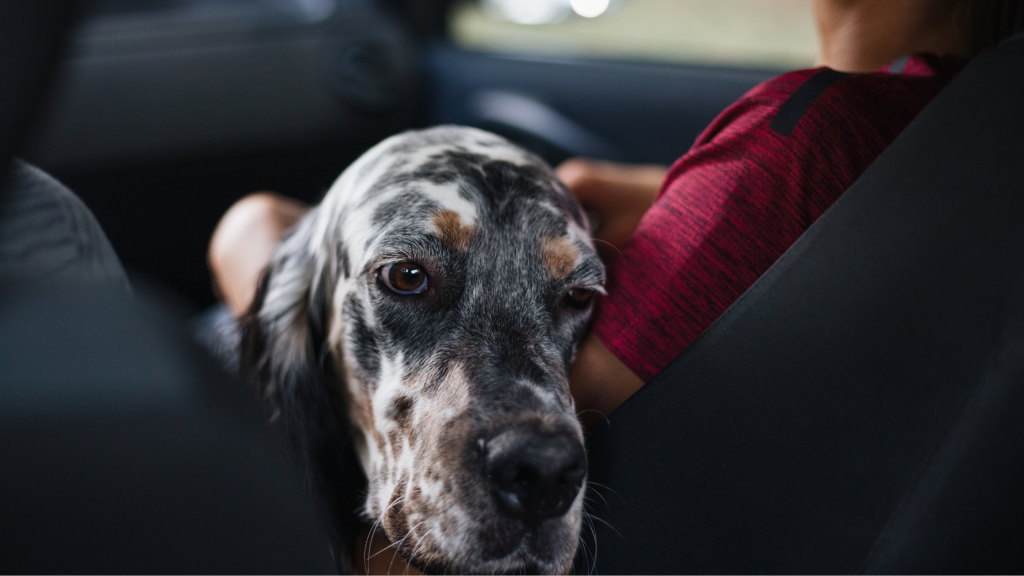
When to go to the vet?
While some cases can be treated at home, there are situations where veterinary care is needed:
- If the dog does not eat or drink for a day or more.
- If the dog vomits, does not eat anything and seems weak.
- If the dog is shaking and not eating and this symptom lasts more than a few hours.
- If other health problems are visible, for example the dog urinates blood or blood is observed in the vomit or feces.
If the dog isn’t eating it can be a serious sign that shouldn’t be ignored. While it is possible to treat some cases of food waste at home, ignoring the problem for a long time can have serious consequences.
Leer mas Pregnancy in Dogs: What Should Dog Owners Know?
The main problems may be related to health problems, stress or changes in diet. If your dog is not eating dry food, is vomiting and not eating anything, or is shaking and not eating, it is important to act as soon as possible.
Do not hesitate to contact the Begemots veterinary clinic in Vilnius, where experienced specialists will take care of your pet’s health. The clinic is open EVERY DAY, so your pet will receive help at any time.
latest posts published

Belgian Malinois: characteristics of the dog breed

Norwegian Buhund: characteristics of the dog breed

Caring for the Chinese Water Dragon

The best brushes for cats

How to choose the best chew toys and treats for your dog

How to train your puppy to walk on a leash

Czech Terrier (Cesky Terrier): characteristics of the dog breed

Pembroke Welsh Corgi: characteristics of the dog breed

The best bags for carrying cats
