Since ancient times, the wolf has occupied a special place both in the nature of Lithuania and in the mythology of the nation. This cunning, strong and at the same time mysterious inhabitant of the forest has always caused admiration, but at the same time was a symbol of fear. In 2021, the wolf was chosen as the animal of the year, and this decision received a lot of attention from conservationists, biologists, and the general public. It was not a random choice: behind this title there are many environmental, cultural and ecological arguments, which help to better understand why the wolf is so important for our nature.
The place of the wolf in Lithuanian nature
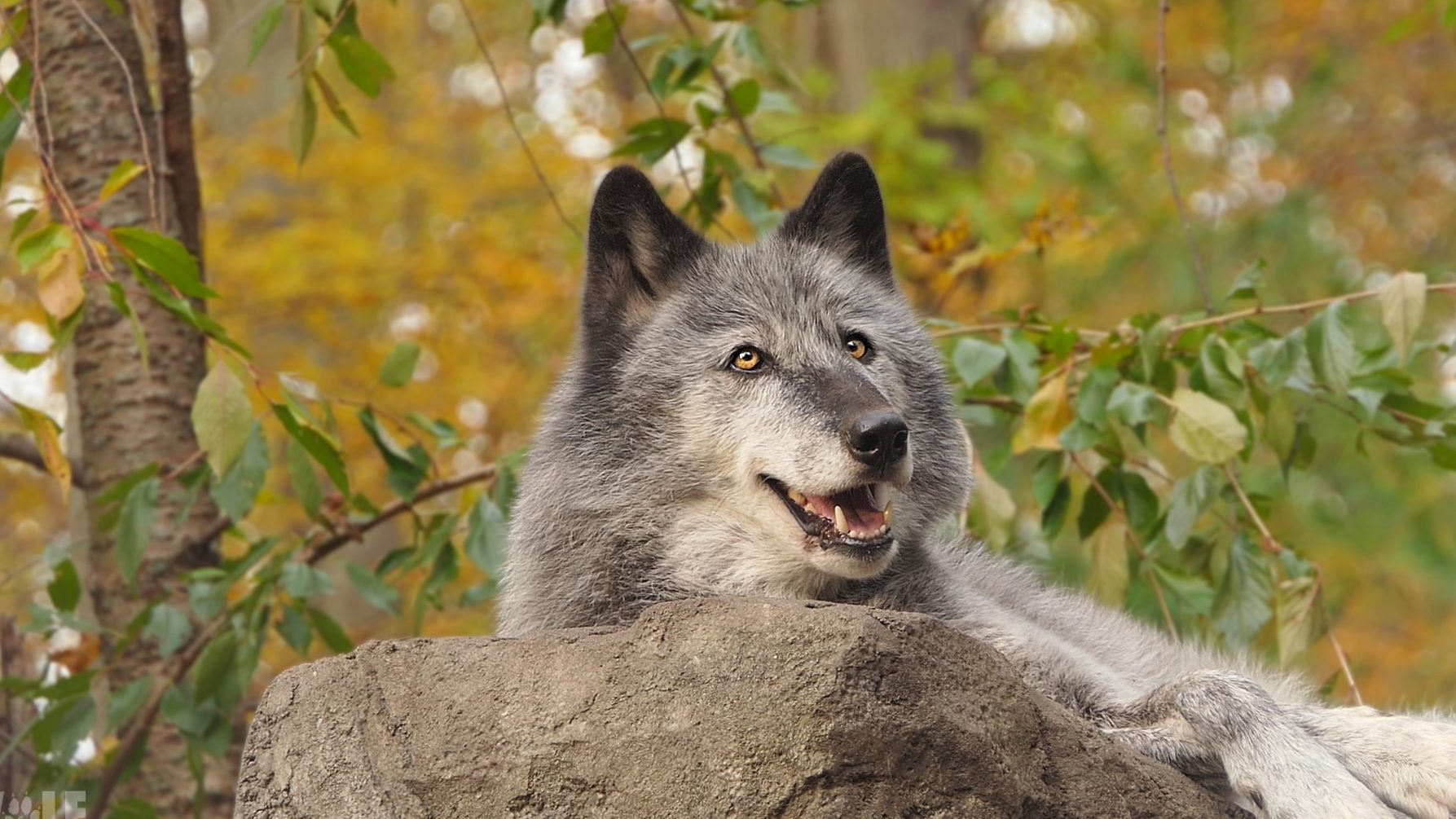
The wolf (Canis lupus) is one of the most important predators in the Lithuanian ecosystem. As an apex predator, it helps maintain the natural balance in the forest. Wolves usually prey on weaker or sick animals, thus ensuring healthier deer, roe deer and wild boar populations. In this way they help maintain the harmony of nature and reduce the spread of diseases among wild animals.
These animals also contribute to forest regeneration processes. By controlling herbivore populations, wolves help prevent excess vegetation from being nibbled away, allowing new trees and shrubs to grow. Therefore, wolves are considered not only predators, but also ecosystem managers.
Leer mas Animal chipping: dogs, cats and ferrets
Cultural significance of the wolf
In Lithuanian culture, the wolf has long been considered a symbol of wisdom, courage and freedom. In folk tales and songs it is often depicted as a majestic and proud animal, and in some cases even as a guardian. In ancient times, the wolf was associated with the strength of warriors and the ability to survive, so his image often decorated symbolic signs and blacksmiths.
The wolf also has a strong connection to Baltic mythology. Some sources claim that ancient Lithuanians considered the wolf to be a sacred animal associated with gods, nature spirits, and earthly cycles. Today the wolf is increasingly becoming a symbol of nature protection, reminding us of human responsibility towards wildlife.
Why has 2021 become the year of the wolf?
In 2021, the Lithuanian Nature Foundation and related organizations decided to choose the wolf as the animal of the year to draw attention to the still existing problems related to the protection of this species. Although the wolf population has been relatively stable in recent years, their status is still fragile due to human activities: intensive hunting, habitat loss and conflicts with farmers.
This title wanted to remind the public: the wolf is not an enemy, but a part of the ecosystem necessary for the balance of nature. Nature lovers point out that the wolf is the most important symbol showing how man can learn to live in harmony with wild animals, instead of trying to chase them away.
Leer mas Neutering and sterilization of Hippopotamus dogs
Arguments of nature lovers in favor of the wolf
The choice of the wolf as animal of the year was accompanied by numerous favorable opinions. Conservation experts have identified several key aspects of why this decision is significant.
- Importance of the ecosystem: Wolves support forest health by regulating populations of other species.
- Cultural heritage: The wolf is one of the most common symbols in Lithuanian folklore and mythology.
- Environmental education: The Year of the Wolf is accompanied by information campaigns that promote public awareness of biodiversity.
- Meaning of protected areas: Wolves stimulate debate on habitat conservation and responsible nature policy.
These arguments highlight that wolf appreciation is not just a symbolic step, but a reminder of the need to protect the natural environment. Without wolves, our forests would become less vibrant and less resilient to ecological change.
Protection and challenges of the wolf
Although wolves are protected by the European Union’s Habitats Directive, their population is still under pressure. Some people see wolves as a threat to livestock and farms, which is why conflicts arise. Environmentalists point out that these conflicts can be resolved by applying modern measures: electric fences, special dogs, better information in agricultural communities.
Preserving freedom in nature is also an important aspect. Wolves are very territorial animals, they need large spaces to move and food. Therefore, Lithuanian forests connecting the wilderness are particularly significant for the future of this species.
Leer mas Sterilization and neutering of Hippo cats
A change in public attitude
Attitudes towards wolves in Lithuania have changed in recent decades. Once considered dangerous predators, today they are often seen as ecosystem indicators. Modern educational programs and documentaries about the lives of wolves help people understand their behavior and role in nature.
Environmental organizations have managed to demonstrate that the wolf poses no threat if humans behave responsibly. Today the wolf symbolizes nature’s resilience and adaptability to change, qualities that are increasingly appreciated in our time.
Frequently Asked Questions (FAQ)
How many wolves live in Lithuania?
Annual studies of the wolf population in Lithuania show that their number varies from 400 to 600 individuals. It depends on natural cycles and winter conditions that determine the amount of food.
Are wolves dangerous to humans?
Although the wolf is a predator, it usually avoids humans. Attacks are extremely rare and usually involve sick or injured animals. In most cases, the wolf perceives humans as a threat and tries to avoid contact.
Leer mas Tick vaccines for dogs: how do they work and how long do they protect?
What to do if you meet a wolf in the forest?
If you encounter a wolf on a forest path, calmly step aside and keep your distance. Wolves rarely approach humans, so the danger is usually minimal. The most important thing is not to provoke or try to photograph the animal up close.
How can we contribute to the protection of wolves?
The public can support environmental organizations, participate in information campaigns or simply spread knowledge about the importance of wolves for nature. Every conscious step helps create more favorable conditions for the survival of these animals.
The wolf as a symbol of the future
The wolf, which became animal of the year 2021, remains an important reminder of man’s relationship with wild nature. This event gave impetus to a broader discussion on ecosystem sustainability and animal rights. Every nature lover today understands that the wolf is not just the hero of a fairy tale or an ancient symbol: it is the heart of our forests, a sign of their vitality and strength.
The wolf reminds us that only by maintaining respect for nature can we guarantee harmony between man and the wild environment. His story and 2021 recognition are a call to action, not just observation. Saving the wolf means saving the entire balance of our nature, of which we are all part.
latest posts published

Belgian Malinois: characteristics of the dog breed

Norwegian Buhund: characteristics of the dog breed
Caring for the Chinese Water Dragon

The best brushes for cats

How to choose the best chew toys and treats for your dog

How to train your puppy to walk on a leash

Czech Terrier (Cesky Terrier): characteristics of the dog breed

Pembroke Welsh Corgi: characteristics of the dog breed

The best bags for carrying cats