Is your cat feeling really good? Even if at first glance your pet appears healthy and active, your cat’s temperature can hide early signs of health problems. Cats are extremely sneaky and often masterfully hide their ailments even a slight increase or decrease in your cat’s temperature can be a serious sign.
To notice a possible danger in time, it is important to know what a cat’s normal temperature is, how to measure it correctly and what to do if it exceeds or falls below the normal range.
In this article you will find all the most important information on cat body temperature, from the causes to first aid at home.
Normal cat temperature
The normal temperature for a cat usually ranges from 38.0°C to 39.2°C. This temperature is considered standard for both male and female cats, although it may vary slightly depending on age, breed or individual characteristics. Young kittens often have a slightly higher temperature, while older cats have a slightly lower temperature.
Leer mas Feline Stone Disease (Urolithiasis) – Hippo
Small fluctuations are normal, but if the cat’s body temperature drops below 37.5°C or rises above 39.5°C, it can be a dangerous sign of inflammation, infections or other health problems. In these cases it is important not to wait: changes in the cat’s body temperature can progress rapidly, so it is recommended to act immediately and consult a veterinarian.
How to measure the temperature of a cat or kitten at home?
The most accurate way to measure the temperature of cats and kittens is rectally, using a digital thermometer. Although the procedure may be unpleasant for both the pet and the owner, it is the most reliable way to determine the exact body temperature of cats.
Temperature measurement phases
To ensure safe and accurate measurement, follow these steps:
- Prepare a thermometer – use a digital thermometer and have some odorless Vaseline or other safe lubricant on hand.
- Ask for help – it can be difficult to hold a restless cat with one hand, so it is best to get help from another person.
- Insert the thermometer carefully – gently lift the tail and insert the thermometer into the anus to a depth of approximately 1–2 cm. Do not insert it deeper.
- Wait for the results – hold the thermometer in place until you hear a beep (usually takes a few seconds).
- Clean your device – wash and disinfect the thermometer after use.
If the temperature exceeds the norm or the cat seems lethargic, it is better not to delay and consult a veterinarian: even slight changes in temperature can be a sign of a serious condition.
Leer mas Euthanasia of a hippopotamus dog
When is a cat’s temperature considered too high?
If the cat’s temperature exceeds 39.5°C it is considered too high and may indicate that the body is responding to a certain stimulus – illness, stress or environmental changes. While a short-term increase in temperature may be harmless, a prolonged or severe fever can signal a serious health problem. Therefore, it is important to not only monitor the temperature readings themselves, but also assess whether the cat has any additional symptoms.
To recognize a potential danger in time, it is also worth knowing the most common causes of high temperature in cats.
Possible reasons for an increase in body temperature
Various factors can cause a cat’s body temperature to rise, from common infections to external stressors or even poisoning:
- Infections or inflammation. Viral and bacterial diseases often cause an increase in the cat’s body temperature – this is a natural reaction of the immune system.
- Overheating. On hot summer days, cats can overheat, especially if they can’t hide from direct sunlight or don’t have enough water.
- Stress or fear. Excitement, travel, or an unfamiliar environment can temporarily raise a cat’s temperature.
- Poisoning. Some chemicals, inappropriate foods or poisonous plants can cause an increase in the cat’s body temperature.
If you notice that your cat’s temperature is higher than usual, you should watch for other symptoms such as lethargy, difficulty breathing, and loss of appetite. If the condition does not change or worsens, you should consult a veterinarian.
Leer mas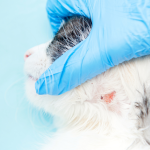 Cat allergy: symptoms and how to act
When is the cat’s temperature too low?
A cat’s body temperature is considered too low when drops below 37.5°C. This can be a dangerous sign that the body is unable to maintain its heat balance. This condition is called hypothermia and can have serious health consequences, ranging from lack of energy to dangerous internal organ disorders. This usually occurs in cases of severe frostbite, physical exhaustion, or unexpected trauma.
To understand if your cat may be at risk, it is important to know the most common causes of low body temperature.
The most common reasons why the temperature is too low
There are several main reasons why a cat’s body temperature may drop below normal:
- Hypothermia – if the cat spends a lot of time in a cold environment or has been bathed at low temperatures.
- Chronic diseases – especially kidney failure, exhaustion or immune system disorders can cause a drop in the cat’s body temperature.
- Shock – severe stress, trauma, bleeding or pain can disrupt the body’s thermoregulation.
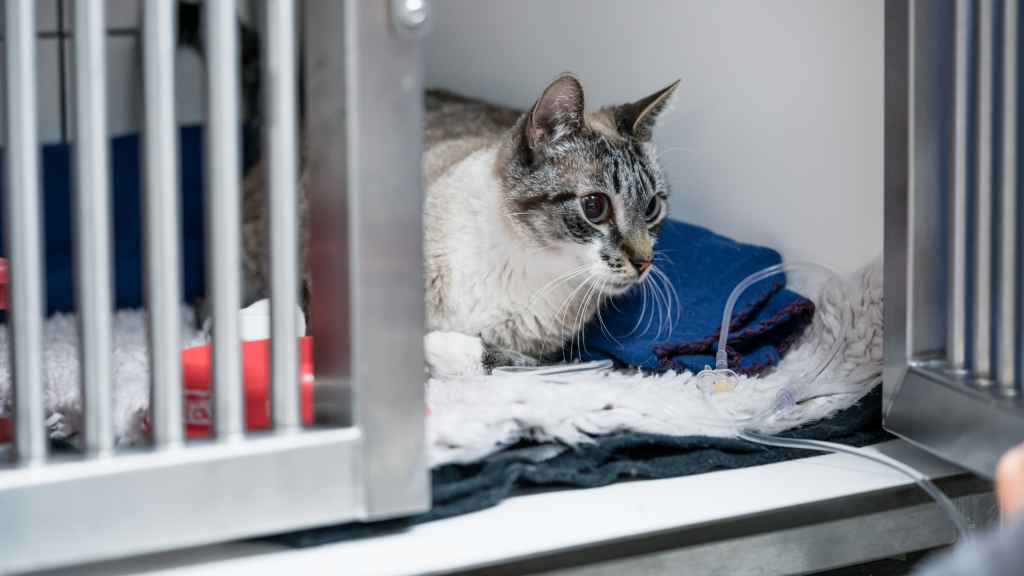
How to regulate the temperature for cats in the house?
If the temperature is just above or below normal and your pet still seems quite active and has no other noticeable symptoms, you can try helping him at home. In mild cases, certain measures can help stabilize the condition and prevent further worsening.
Leer mas Epilepsy in dogs and what to do during a seizure
How to reduce the temperature in your home?
If you notice that your cat’s temperature is slightly elevated, it is important to first ensure that he is receiving enough fluids. Give him fresh water and move him to a cooler place, away from direct sunlight.
To safely lower your cat’s body temperature at home, you can:
- Gently wet your cat’s fur with warm water or place a damp towel over his body (for example, his back or sides).
- Use a fan or air conditioner to lower the room temperature. However, avoid direct airflow to prevent the cat from getting cold.
Important: Do not give your cat any medications without your vet’s permission! Many medications intended for humans (for example, acetaminophen or ibuprofen) are toxic to cats and can cause serious complications.
If the temperature does not drop within 30 to 60 minutes or the cat still seems lethargic or unwell, you should consult a vet – this could be a sign of a more serious condition.
How to raise the temperature in your home?
If your cat’s body temperature has dropped below normal, it is important to respond quickly but responsibly. In milder cases, you can raise the temperature in your home: the most important thing is to do it gradually and safely so as not to cause further damage.
- Move the cat to a warm and quiet place.
- Cover him with a warm blanket or use a heating pad, but make sure it’s not too hot.
- Gently pet the cat can stimulate blood circulation and help the body warm up gradually.
- Do not give drugs or stimulants without veterinary advice, as this can be dangerous.
If your cat’s temperature does not rise or seems weak, contact your veterinarian as soon as possible.
How to protect cats from summer overheating?
Heatstroke in cats is a dangerous condition in which the cat’s body temperature rises so much that the body is unable to regulate it naturally. This condition can cause heat stroke, damage to internal organs or even be life-threatening, so it is important to take preventative measures, especially on hot summer days.
Cats are sensitive to heat, especially if they can’t cool down or drink enough fluids. To protect your pet from overheating:
- Provide sufficient water – Cats should always have access to fresh water.
- Keep cats in the shade – don’t let them stay in the sun for too long.
- Use fans or air conditioning – this will avoid overheating of the environment (room or apartment).
- A damp towel or cool surface will help cool your cat. On particularly hot summer days, consider purchasing a cooling mat for your pet.
These simple measures help prevent dangerous increases in your cat’s temperature and ensure your pet’s well-being even during the hottest days.
Signs your cat is overheating
Heat stroke in cats is an extremely dangerous condition, so it is important to recognize the early signs. A cat suffering from heatstroke may behave unusually, and some symptoms require immediate attention.
The most common signs of overheating in cats:
- Lethargy – the cat appears tired, sleepy and unwilling to move.
- Rapid breathing – the cat breathes heavily, breathes with its mouth open – pant (unusual for cats).
- Excessive salivation – saliva becomes more abundant than usual.
- Hot, dry skin – when you touch the cat, its body seems too warm.
- Red gums – this could be a sign of overheating.
- Vomiting or diarrhea – in more serious cases, the cat may vomit or have diarrhea.
- Loss of consciousness or seizures – these are critical signals that require immediate attention.
If you notice any of these signs, immediately move your cat to a cooler location, offer him water, and if his condition does not improve within 15 to 30 minutes, contact your veterinarian. A cat’s high fever is not only annoying, but also a serious threat to its life.
When to contact a vet?
If your cat’s body temperature deviates from normal or you notice other worrying signs – lethargy, refusal to eat, changes in breathing or other unusual behavior – it’s important not to delay. Prompt care can help prevent more serious health problems.
Begemotas veterinary clinic in Vilnius employs experienced specialists who are ready to quickly assess the condition of your pet and provide the necessary assistance. If you have questions or need an exam, register by phone or online.
latest posts published

Belgian Malinois: characteristics of the dog breed

Norwegian Buhund: characteristics of the dog breed

Caring for the Chinese Water Dragon

The best brushes for cats

How to choose the best chew toys and treats for your dog

How to train your puppy to walk on a leash

Czech Terrier (Cesky Terrier): characteristics of the dog breed

Pembroke Welsh Corgi: characteristics of the dog breed

The best bags for carrying cats