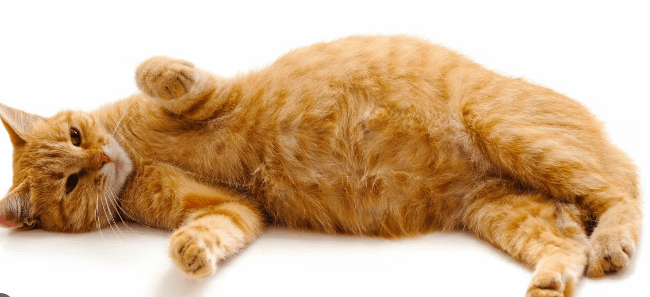
Cats, like all living organisms, can be allergic to both food and the environment. Cat allergy is an increasingly common diagnosis in veterinary medicine. Cat allergy is an incurable but manageable disease, so it is very important to understand what causes allergies in your cat and how to take care of it.
What is cat allergy?
Cat allergies occur when a cat’s immune system overreacts or is hypersensitive to foreign substances called allergens. Allergens are foreign proteins that the body’s immune system tries to eliminate.
Examples of allergens common to humans include pollen, dust, mold and pet dander. Hypersensitivity, otherwise known as allergy in cats, can manifest itself in three ways:
- The most common in cats is itching of the skin, localized to one spot or a general reaction throughout the cat’s body. The cat begins to intensively scratch its groin, armpits, between its toes, ears, eyes, or other areas of the muzzle.
- The second and common symptom of cat allergy is coughing, sneezing and wheezing. Sometimes discharge from the nose or eyes may occur.
- A third expression of the cat’s allergic reaction involves the digestive system and can cause vomiting, flatulence and/or diarrhea in the cat. This is the most common cause of food allergies in cats. The most common allergens found in cats’ diets are meat and/or fish proteins.
Types of cat allergies
There are four common types of cat allergies:
Leer mas Epilepsy in dogs and what to do during a seizure
- Fur and skin parasites – especially fleas;
- Food allergy;
- Atopic dermatitis (house dust and mites, pollen and mold);
- Contact allergy..
Each type of cat allergy has both common symptoms and unique clinical manifestations, usually observed by veterinarians – allergists.
Allergies in cats to fleas and other skin and fur parasites
Flea allergy is the most common form of cat allergy. A cat with flea allergy has difficulty reacting to even a single flea. This reaction is an allergic reaction to proteins or antigens present in flea saliva.
When a flea bites a cat to feed on blood, it injects saliva into the skin. A single flea can cause an allergic cat to itch so badly that the cat may scratch or chew itself brutally, which can lead to hair loss, wounds and, if not treated in time, secondary inflammation of the skin in the affected areas of the body.
Often, sores or scabs appear on the skin, leading to a secondary bacterial skin infection (pyoderma). The most commonly affected area is above the back of the head or the base of the tail. Additionally, the cat may have many small scales around the head and neck. These scabs are often called miliary dermatitis, a term that originates because they resemble millet seeds.
Leer mas Skin Diseases in Dogs: Common Causes, Treatment and Prevention
Methods of treating cat flea allergy
Any form of treatment for cat allergies should be prescribed by a veterinary allergist. Since the cat’s allergic reaction is caused by flea saliva, the most important treatment for flea allergy is to prevent its occurrence. Strict year-round flea control is the foundation of successful cat allergy treatment.
There are many highly effective flea products available for treating cats and controlling fleas in the environment. Modern flea prevention products make it easier than ever for your allergic cat to protect themselves from fleas on your cat.
If the cat is infected with fleas and the allergic reaction is strong, veterinarians also use other drugs. Properly selected corticosteroids can block the allergic reaction and immediately relieve the cat’s allergic reaction (severe itching).
This is often a necessary part of treatment, especially in the early stages. If a secondary bacterial skin infection is due to flea allergy dermatitis, it is important to use antibiotics appropriately prescribed by a veterinary allergist, usually for two to four weeks.
Leer mas What to give a dog for pain and what to avoid?
Cat food allergy
Food allergies in cats are caused by an immune reaction to a protein or food additive in the food. Allergies are usually caused by a protein component of food (such as beef, pork, chicken, or turkey).
Plant proteins, such as those found in corn and wheat, and food additives and preservatives can cause food allergies in cats in some cases. Food allergies can cause any of the clinical signs listed above, including itching, indigestion, and breathing problems.
Diagnostic testing for cat allergies is initially performed using an elimination or hypoallergenic diet. This means that an allergic cat must be fed for 8-12 weeks with a special veterinary diet selected by the veterinary allergist, the ingredients of which have not been given to the cat before or whose proteins are hydrolyzed and processed so that they do not cause an immune reaction. Since it takes at least eight weeks for all other foods to be eliminated from the body, the cat must eat only the special diet for at least eight to twelve weeks.
What is cat allergic atopic dermatitis or atopy?
Feline atopic dermatitis, or atopy, usually refers to allergic reactions to environmental allergens such as pollen, grass, mold, fungi and house dust mites. Many of these allergies occur seasonally, such as when certain plants in your home or outdoors begin to bloom in the spring.
Leer mas Dog Pregnancy: What Should Dog Owners Know?
However, other allergens are always with us and our pets, such as mold and house dust mites. When an allergic cat inhales these allergens, the primary atopy reaction is severe generalized itching.
It is important to remember that atopic dermatitis is a lifelong disease with frequent relapses. There is no «cure» for allergic skin diseases, but only treatments that reduce clinical symptoms and improve quality of life. Although side effects associated with chronic steroid use are less likely in cats than in dogs or humans, long-term use should be carefully monitored. It is very important to work closely with your veterinarian to ensure the best care for your cat’s allergic condition and to fully understand the risks and benefits of each treatment.
Atopic dermatitis caused by allergies in cats should be treated as prescribed by the veterinarian who diagnosed the allergy. Each treatment method is selected based on the exact diagnosis and individually based on the weight, breed and lifestyle of the cat.
Sometimes systemic drugs alone are not enough, so it is necessary to apply several treatment methods at once, both externally and internally (allowing or taking medications). Only an experienced veterinary dermatologist-allergist will choose the most appropriate and effective treatment.
Contact allergy in cats and how it is treated
Contact allergy is the rarest type of cat allergy. Due to contact with an allergic substance, they cause a local skin reaction. Examples of contact allergies include reactions to shampoos, flea collars, or certain types of bedding such as wool.
If the cat is allergic to these substances, skin irritation and itching appear in the contact areas. Removing the contact irritant solves the problem. However, identifying the allergen can be difficult in many cases.
In addition, if the allergen is not removed from the cat’s environment in time, secondary inflammation of the skin may occur due to intense biting, biting or rubbing against environmental objects. For this reason, it is important to always consult a veterinarian, who will help not only determine the type of cat allergy, but also prevent secondary diseases.

What should I do if my cat has one of the allergies listed above?
The answer is quite simple: contact a competent veterinary clinic and get all the necessary information. Vilnius Veterinary Clinic – Begemots employs only experienced veterinarians. Milda Vasaitytė, a veterinarian working at Behemoth, has been deepening her knowledge of allergies, skin and the digestive tract for many years.
The knowledge accumulated and constantly accumulated by Dr. Milda guarantees the selection of the most suitable treatment, the most innovative and best diagnostic methods. In the Begemots veterinary clinic your pet will receive the best care and examinations, and you will receive detailed and sincere advice.
latest posts published

Belgian Malinois: characteristics of the dog breed

Norwegian Buhund: characteristics of the dog breed
Caring for the Chinese Water Dragon

The best brushes for cats

How to choose the best chew toys and treats for your dog

How to train your puppy to walk on a leash

Czech Terrier (Cesky Terrier): characteristics of the dog breed

Pembroke Welsh Corgi: characteristics of the dog breed

The best bags for carrying cats