The dwarf hamster Roborowski (Phodopus roborovskii) has been kept as a pet since the 1990s. It differs from Djungarian dwarf hamsters (Phodopus sangorus), Campbell Zwerhamstern (P. Campbell) and Chinese striped hamsters (Cricetulus griseus) on the one hand due to its small size. The Roborowski dwarf hamster is considered the smallest hamster species in the world! On the other hand, the dwarf hamster, also known simply as «Robo», always seems very busy and almost a little frenetic when he wakes up.
Roborowski dwarf hamsters originally hail from the Gobi Desert and adjacent desert regions of northern China and Mongolia. The back fur of the wild form is ocher, the side of the belly is white and the soles of the feet are finely haired. With this fur color the animals camouflage themselves optimally in their natural environment and the furry soles allow them to move safely on the sand. In the wild, Roborowski dwarf hamsters inhabit self-dug underground burrows or also colonize existing burrows of other animals, into which they retreat during the day. Activity outside buildings occurs at dusk or at night.
Color shapes
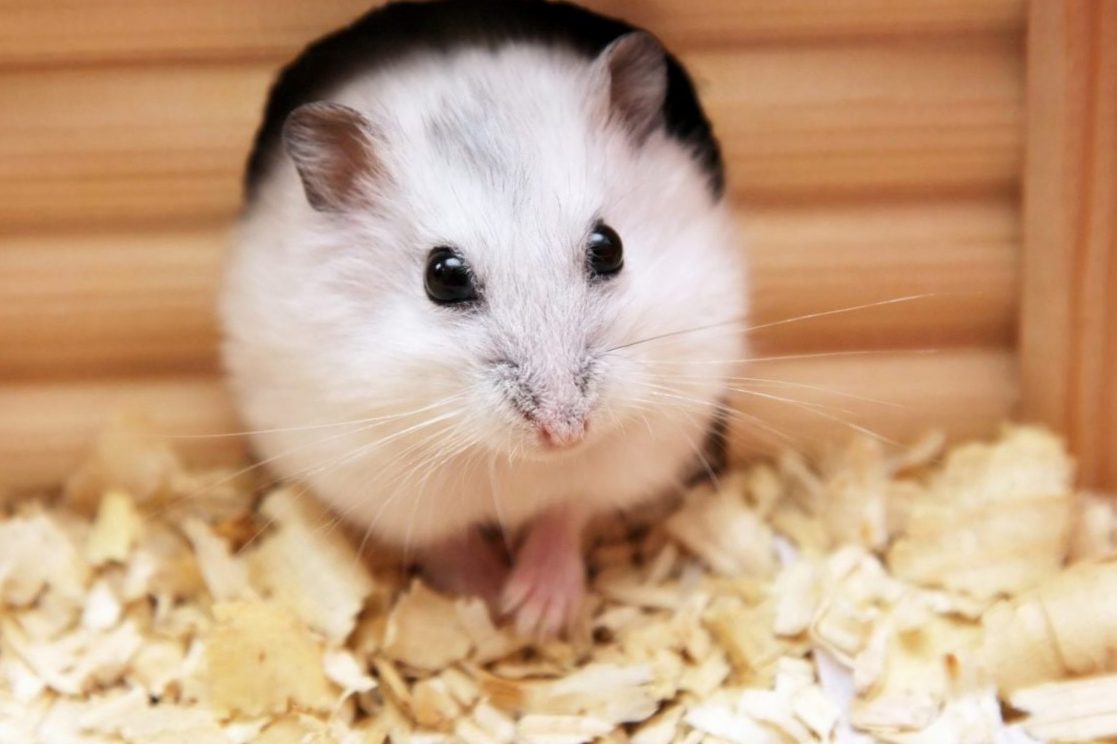
In addition to the wild form, Roborowski dwarf hamsters also come with a greater amount of white on their faces. These animals are called “whitefaces”. There are also pied and pure white animals.
Leer mas Supply of iodine to BARF
Behave
Little is known about the social behavior of Roborowski dwarf hamsters in the wild. The animals are assumed to live together in pairs, at least temporarily, and also gather in larger colonies. However, the animals are territorial and will push away members of their species that they don’t want to get close to. When it comes to keeping pets, raising dwarf hamsters individually is recommended, especially for pet owners with little experience. Despite their small size, dwarf hamsters can fight aggressively and seriously injure and even kill each other. In the wild, Roborowski dwarf hamsters only come out of their dens at dusk and at night. If kept as pets, it is sometimes possible to observe these agile and somewhat frenetic-looking animals even during the day.
Animal-friendly breeding
To ensure that it has enough space, your Roborowski dwarf hamster needs an enclosure of at least 100 x 50 x 50 cm (length x width x height). Ideally, you should place his enclosure in a quiet place, protected from drafts and sunlight and not in your bedroom. Otherwise your hamster may wake you up during his activities. To create dens, your dwarf hamster needs a layer of bedding of different materials at least 20 cm high. Bedding for small animals, straw, hay, cork and cardboard tubes, natural branches and leaves are suitable. It builds its nest with hay and cotton waste. Your dwarf hamster will also be happy to move into an underground kennel, but there should still be opportunities for above-ground retreat. Be sure to offer your «Robo» a sand bath filled with chinchilla sand so he can take care of his fur. Make sure any heavy furniture can’t dig underneath. To do this, place them on intermediate levels, on a stone base that reaches up to the floor of the enclosure, or directly on the floor of the cage. To satisfy his need for movement, your dwarf hamster needs a plate or running wheel (at least 20 cm in diameter).
Animal-friendly diet
Roborowski dwarf hamsters, like all hamsters, are mixed food eaters. They eat mixtures of seeds and grains, but also require animal protein. To cover their nutritional needs, we recommend feeding a complete food for dwarf hamsters. Fresh foods such as herbs, sprouts and non-flatulent vegetables (e.g. cucumbers, courgettes, carrots) should not be missing from the menu. The dwarf hamster is not used to fruiting in its sterile homeland. It is best to avoid feeding them completely, as it can quickly cause diarrhea and promote diabetes. You also generally shouldn’t give sticky food, as this could cause your hamster’s cheek pouches to stick together. Like all hamsters, “Robos” also store food. However, you should regularly check hiding places for uneaten fresh food and remove it to avoid mold growth.
Suggestion: As a special activity you can give your dwarf hamster its favorite food, e.g. For example. hide a dried worm in a clever toy, hay bag or digging box!
Leer mas The smartest dog breeds: Just Russel
Who are Roborowski dwarf hamsters suitable for?
Roborowski dwarf hamsters are suitable as observation animals. Animals usually quickly lose fear of “their” humans, but hamsters don’t like to be picked up or taken out of the enclosure. Since animals are very delicate, small and agile, the risk of injury to the animal is very high if handled improperly. It is difficult to predict exactly when your “Robos” will be active for observation. However, the pace of activity usually stabilizes after a while and when your dwarf hamster is awake, that’s right! The life expectancy of a Roborowski dwarf hamster is quite short. It’s only 1.5 – 2.5 years. During this time, the little housemate gives a lot of joy to his people. 15 – 20 minutes are needed for basic daily care (health checks, feeding, cleaning toilet corners, removing uneaten fresh food) and an additional hour weekly for more thorough cleaning of the enclosure and cleaning of furnishings.
latest posts published

Belgian Malinois: characteristics of the dog breed

Norwegian Buhund: characteristics of the dog breed
Caring for the Chinese Water Dragon

The best brushes for cats
How to choose the best chew toys and treats for your dog
How to train your puppy to walk on a leash

Czech Terrier (Cesky Terrier): characteristics of the dog breed

Pembroke Welsh Corgi: characteristics of the dog breed

The best bags for carrying cats