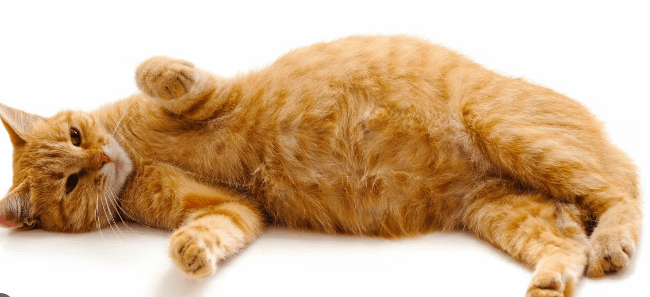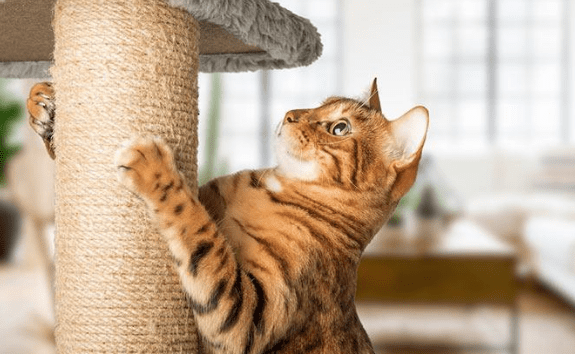
Before or after eating or drinking, the kitten or cat may jump, scratch, or paw the floor as if digging or burying something. This is not unusual behavior; there is nothing wrong with your cat.
In fact, your pet demonstrates an instinct shared even by big cats, and it is a very positive sign that he feels comfortable in your home. However, if you find the behavior annoying, there are simple steps you can take to change it.
What does digging behavior really mean for cats?
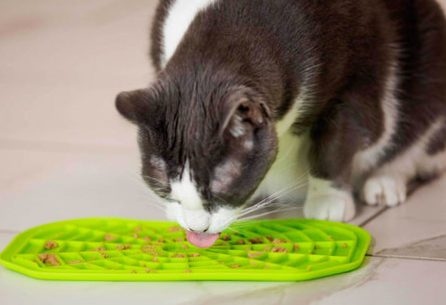
Many cats scratch or knead the ground around the food bowl before or after eating. It’s an example of instinctive behavior, meaning your cat didn’t learn it from its mother.
Leer mas The best probiotic supplements for cats
Some cats may take this behavior to the extreme, spending a lot of time scratching the floor or kneading the carpet around the food bowl. In some cases, cats also place objects such as towels on their food bowls.
See also: The best automatic feeders for cats
Store, protect or dispose of food
In the wild, feral cats often bury food scraps (and even feces) as a protective measure so that their enemies cannot track them: buried food has little odor and does not attract insects or predators.
If they are females nursing their kittens, they will do so to prevent other cats from finding their waste. Likewise, uncastrated males will spray their territory with urine as a warning to other predators to stay away. (Be sure to have your cat neutered at the appropriate age so no signs of urine follow!)
Leer mas All the ways a puppy plays
Cats all over the world demonstrate this behavior. It is similar to the «food hoarding» practiced by big cats. The leopard is best known for its food safety, which involves storing it high in trees to keep it safe from lions and hyenas. The North American bobcat also displays this protective measure by covering the remains of its prey with debris to hide them from other animals.
If you place newspapers under the plates, you may notice that your cat scratches under the plate, shreds the newspapers, and even piles them on top of the food bowl to hide it completely. This is another type of «food preservation».
In some cases, cats scratch or bury food or other objects they don’t like. This behavior is similar to burying feces in a sandbox or in the ground. As with hoarding behavior, burying allows the cat to «disappear» by getting rid of its waste. Additionally, since cats often sleep where they eat, burying leftovers can be a way to «tidy up» their personal space.
It may not make sense that a domestic cat, without food in danger, would display such behavior. And it makes no sense, really, except that this behavior is instinctive and cats do it naturally.
Leer mas Australian Shepherd (Aussie): characteristics of the dog breed
See also: The best cat beds
Knead the floor
Kneading, even if it resembles scraping, is a sign of pleasure. Cats and kittens rub each other by gently alternating paws, just as one person might give another person a back rub.
Kneading is a sign of contentment; when your cat paws at you, he may anticipate a pleasant experience, such as eating a meal. Kneading is more likely if the area around the food bowl is soft (such as a carpet).
How to stop your cat from scratching or kneading the floor
Neither scratching nor kneading are harmful behaviors in themselves. It cannot hurt your cat and is unlikely to cause you any harm. In fact, some cat owners find it really cute.
Leer mas Baby cat: characteristics of the cat breed
On the other hand, it can be annoying and messy if your pet tears up documents or damages the carpet. If you find these behaviors to be a problem, there are steps you can take to manage them.
Place the food on a hard surface, away from objects that could be damaged or dragged to cover the food.
Stay with the pet while he eats and remove the food bowl when he is finished eating. In general, it is best to remove wet food within a few minutes if it is not completely consumed, as it can spoil easily.
If your cat starts hitting the floor, distract him with a toy or game.
Avoid leaving dry cat food ‘free range’ as this may encourage the behaviour.
Don’t punish your cat for scratching or scratching, as this is a natural behavior and not inherently harmful. Punishing your cat by spraying him with water or hitting him leads to more problem behavior and can also make your relationship with your pet more difficult.
Read also: The best collars for cats
latest posts published

Belgian Malinois: characteristics of the dog breed

Norwegian Buhund: characteristics of the dog breed
Caring for the Chinese Water Dragon

The best brushes for cats
How to choose the best chew toys and treats for your dog

How to train your puppy to walk on a leash

Czech Terrier (Cesky Terrier): characteristics of the dog breed

Pembroke Welsh Corgi: characteristics of the dog breed

The best bags for carrying cats