Hookworms are common intestinal parasites in dogs, and while most infections are not life-threatening, they can cause fatal blood loss in puppies. There are several species of worms that affect dogs, the most common in North America being Ancylostoma caninum. Hookworm larvae can also affect humans by migrating through the skin.
Characteristics
Hookworms are small, thin worms, less than 2 cm long. The appearance of the mouthparts varies depending on the species, but all have hook-shaped teeth or plates. These structures help them attach to the intestinal wall.
Unlike roundworms, which float around the intestines and steal nutrients from your dog’s meals, hookworms attach to the intestinal wall and feed on blood and/or tissue. They can break off and move to other locations, leaving small bleeding ulcers where they previously fed.
Symptoms vary in severity, but anemia due to blood loss can be debilitating for adults and fatal for puppies.
Leer mas Separation anxiety. A problem of dogs adopted in the pandemic
Life cycle

Worm eggs are expelled in the feces. After a few days and in warm, humid conditions, the larvae hatch. These larvae have several ways to infect dogs:
- They can be ingested directly, when dogs lick the ground or groom themselves and the larvae are present on their fur.
- They can migrate through the skin, usually through the belly or paws.
- They can be ingested by another animal, such as a rodent, and then ingested by a dog that eats the infected animal.
- Puppies can also become infected by larvae in their mother’s milk.
Once the worm larvae reach a dog, they can develop into adult worms while living in the intestine. They can also migrate through the tissues to the dog’s lungs if he coughs and swallows, and eventually develop into adults in the intestine. In older dogs, migrating larvae usually become dormant within body tissues and may become motile again later.
The larvae often become active during gestation, which is why they are so frequently passed to puppies. Some types of larvae can reach the mammary glands. Others develop into adults in the mother’s intestines and serve as a source of infection for the pups.
Leer mas How to Teach Your Puppy the “Go Away!” Command
Symptoms
Hookworms can cause any of the following symptoms, although these may only occur in severe infections:
- Inability to gain weight or lose weight
- Loss of appetite
- Diarrhea
- Anemia (pale gums, weakness), which is life-threatening for the puppy
- Bloody stools
- Cough, due to the migration of the larvae through the lungs (in case of very serious infections)
- Skin irritation, most often on the feet between the toes, due to burrowing larvae
See also: Best toothpaste for dogs
Symptoms vary depending on the species of hookworm involved, as well as the number of worms, age and health of the infected dog.
Worm eggs can be detected under a microscope during a routine check of a stool sample. It takes some time for infected chickens to shed their eggs, so routine deworming is recommended even if no signs of worms are yet visible.
Leer mas The best probiotic supplements for cats
Treatment
Treatment is the same regardless of the species of hookworm. There are numerous medications that can be used, and your vet can help you choose the right one for your dog.
The medicines will only affect the worms in the intestine, not the migrating larvae. The treatment must be repeated to eliminate the larvae as they mature. For example, your vet may recommend treatment at two-week intervals. The number of treatments needed will depend on the age of the dog and its specific situation.
If you have a pregnant dog, consult your veterinarian for a deworming protocol for both mother and puppy.
prevention
Once dewormed, many of the monthly medications designed to control heartworm and other parasites contain drugs that prevent ongoing hookworm infections.
Leer mas How to train your dog to run next to the bicycle
If your dog is not taking one of these preventative medications, your vet will recommend regular fecal testing and/or a deworming protocol to keep worms at bay. Removing pet waste and preventing them from eating rodents can also help prevent worm infection.
Hookworms in humans
Worm larvae can infect both humans and dogs, but do not usually develop into adult worms in humans. However, larvae that migrate through the skin can cause irritation and inflammation, although in most cases they are not serious.
The migration of larvae through human skin is called «cutaneous larva migrans». People become infected when their skin comes into contact with contaminated soil or sand.
Proper treatment and prevention of hookworm infections are important to eliminate these human health problems, as is good hygiene. The same protocols that can prevent the spread of worms from dog to dog—cleaning up waste and using dewormers correctly—can also prevent people from becoming infected.
Read also: The best dog kennels
latest posts published

Belgian Malinois: characteristics of the dog breed

Norwegian Buhund: characteristics of the dog breed
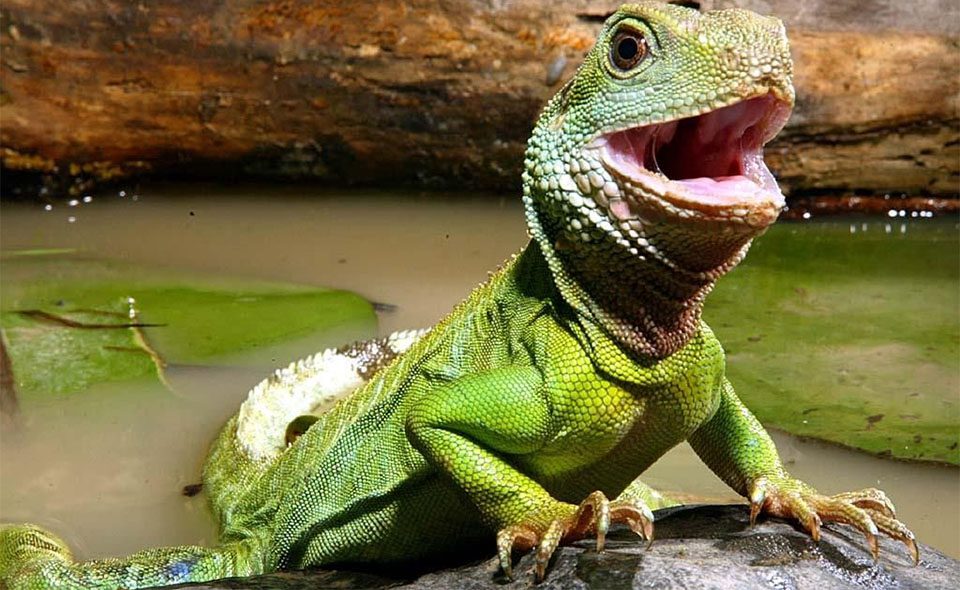
Caring for the Chinese Water Dragon

The best brushes for cats

How to choose the best chew toys and treats for your dog

How to train your puppy to walk on a leash

Czech Terrier (Cesky Terrier): characteristics of the dog breed

Pembroke Welsh Corgi: characteristics of the dog breed

The best bags for carrying cats