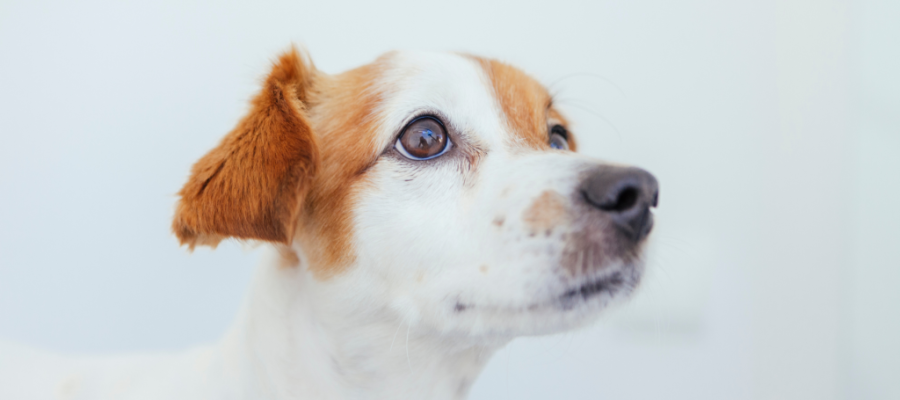
Dog eye diseases can arise for various reasons and manifest themselves with different symptoms, such as tearing, redness of the dog’s eyes or visible damage to the eyes.
Eye diseases in dogs are most commonly caused by inflammation, allergies, or infections. Increased tearing in dogs is the most common symptom of eye diseases.
Veterinary ophthalmologists, who can prescribe special eye drops, perform surgeries or recommend preventative measures, can help properly diagnose and treat eye diseases in dogs.
Viral eye diseases in dogs
Dog eye diseases are caused by several viruses that often affect not only the eyes but also the entire body. Here are some viruses associated with dog eye diseases:
Leer mas Dog’s normal temperature and how to measure it
- Canine adenovirus (CAV-1) – causes infectious hepatitis, but can also affect the eyes, causing inflammation of the iris (uveitis) and the so-called “blue eye” (corneal edema). This causes clouding of the eye and accumulation of fluid in the cornea.
- Canine distemper (CDV) – the distemper virus can damage various tissues, including the cornea, retina and conjunctiva. Dogs affected by this virus often develop eye redness, discharge, and even vision problems. The virus can cause secondary eye inflammation or even retinitis, an inflammation of the retina.
- Herpes virus (CHV-1) – this virus is more common in young puppies and causes inflammation of the mucosa and cornea, which can lead to eye ulcers, scarring and vision loss.
- Parvovirus – although most commonly associated with gastrointestinal problems, in some cases parvovirus can complicate and affect the eyes, especially when the immune system is weakened.
- Canine influenza virus (CIV) – most commonly manifests as a respiratory infection, but can sometimes cause conjunctivitis (inflammation of the conjunctiva), causing redness and discharge from the eyes.
Protection against these viruses includes regular vaccinations for dogs, which helps reduce the risk of infection and prevent the development of eye disease.
Bacterial eye diseases in dogs
- Bacterial conjunctivitis It is one of the most common eye diseases caused by bacteria. Most often it is caused by bacteria such as Staphylococcus, StreptococcusOR Escherichia coli. Bacterial conjunctivitis manifests itself with redness, purulent discharge and itchy eyes.
- Bacterial keratitis is an inflammation of the cornea that often occurs due to a bacterial infection after an eye injury or damage to the cornea. The most commonly found bacteria are Pseudomonas aeruginosa AND Staphylococcus species. Bacterial keratitis causes corneal cloudiness, tearing, sensitivity to light, and severe pain.
- Blepharitis is an inflammation of the eyelids that can be caused by bacteria such as Staphylococcus OR Streptococcus. This inflammation can cause redness, swelling, itching, and pus-filled discharge from the eyelids. Blepharitis is often chronic and requires long-term treatment.
- Dacryocystitis it is an inflammation of the lacrimal sac that can occur if the tear ducts become blocked and conditions favorable to the multiplication of bacteria are created. Symptoms of this condition include watery eyes, redness around the eyes, and pus-filled discharge. The most common causes are Staphylococcus AND Streptococcus bacteria.
- Uveitis – although most often caused by disorders or trauma to the immune system, uveitis can also be caused by bacterial infections that reach the eye from other parts of the body, for example through the bloodstream. This inflammation can cause redness, tearing, pain, and even vision loss.
Veterinary ophthalmologists diagnose bacterial eye diseases in dogs by performing eye exams and often taking samples to identify the bacteria causing the infection.
Treatment usually involves antibiotic eye drops or ointments, and in more severe cases, oral antibiotics may also be prescribed.
Diagnosis of eye diseases in dogs
- Schirmer test. This test helps veterinarians diagnose excessive tearing in dogs during exams. Specialists at the Begemoto Veterinary Clinic can measure the amount of tears produced using this test. The Schirmer test is performed by placing a special, small absorbent strip in the lower eyelid for one minute.
- Fluorescein test. This test is performed at the Begemoto Veterinary Clinic when the veterinarian-ophthalmologist suspects eye damage. During the fluorescein test, the cornea is stained with fluorescein and the integrity of the cornea is observed using a special LED lamp.
- Ocular tonometry. This is a painless procedure that measures the pressure in the eye. During the exam, Begemoto veterinarians can measure eye pressure and determine whether your dog’s eyes are watering due to the development of glaucoma.
- Bacteriological and virological tests. If, during the examination, the veterinarian suspects a bacterial or viral eye disease in your dog, special rapid tests blood samples, or samples of cornea, eyelids or secretions may be performed at foreign partner laboratories for the most accurate diagnosis and treatment plan.
Every pet owner should consult a veterinarian if the tears are accompanied by greenish, yellowish, or greenish-yellow discharge or if the dog squints. This may indicate eye injury or bacterial or viral eye disease in dogs.
Leer mas Cat allergy – Begemotas
How are dog eye diseases treated?
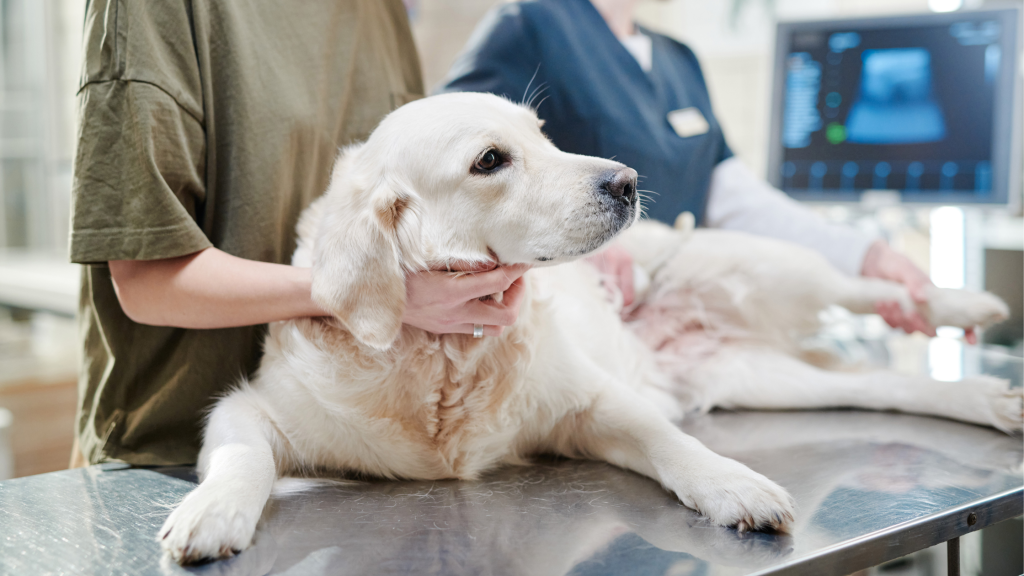
Dog eye diseases can be treated in many different ways, depending on the underlying cause. Treatment of bacterial and viral eye diseases in dogs requires accurate diagnosis, veterinary care, and treatment with prescription medications.
- Bacterial infections, such as conjunctivitis or corneal ulcers, are treated with antibiotic eye drops or ointments, often containing neomycin or chloramphenicol.
- Viral diseases, such as adenovirus keratoconjunctivitis, are treated with antiviral drops, such as interferon, and artificial tears. Eye cleansers or saline solutions may be used to relieve symptoms, and in severe cases, surgery may be necessary.
- If the cause of eye disease in dogs is an allergy, such as pollen, or an irritation, your veterinarian may recommend using antihistamines in combination with artificial tears to flush the eyes.
Successful treatment depends on a quick response and proper care, so if you notice redness, swelling or discharge in your pet’s eyes, you should contact your vet immediately.
Timely treatment helps avoid complications such as vision loss and ensures your pet’s quick recovery.
In some cases of watery eyes, treatment is not necessary if the excessive tearing is due to shallow eye sockets or is normal for the breed.
Leer mas Vaccinations and immunizations for dogs
For these dogs, clean the tear ducts regularly with special veterinary cleaners or special soft veterinary wipes. This type of care for dogs with watery eyes can help prevent dirt buildup and secondary bacterial infections.
When should you see a vet about your dog’s eye disease or watery eyes?
The most common symptoms of eye diseases that require consultation with a veterinary ophthalmologist:
- You have noticed an unusually large amount of tears. Watery eyes in dogs can be caused by a blocked tear duct or excessive tear production.
- Redness, discoloration, or change in coat color under the eyes. Dog owners often notice that humidity causes the fur around the eyes to turn reddish-brown, which is especially noticeable in dogs with white coats. The change in coat color around the eyes is caused by a pigment in tears called porphyrin.
- The dog squints and has difficulty opening one or both eyes.
- Greenish, yellowish, or white discharge from the eyes.
- The dog rubs its eyes with its paws and scratches itself.
- The dog’s eyes became «glassy.»
Where to seek help for dog eye diseases?
Specialists working at the Begemotas Veterinary Clinic, with their innovative and modern equipment, can quickly determine the causes of eye diseases in dogs, and the canine ophthalmologist – ophthalmologist – can prescribe the most appropriate treatment method.
Begemotas Veterinary Medical Center is a veterinary clinic located in the center of Vilnius, a place where not only the health of each four-legged patient is cared for, but also the emotional well-being of the patient and his owner. Register now and give your pet a clear vision of tomorrow!
Leer mas How much does a Cane Corso cost: the secrets of the value of the breed
latest posts published

Belgian Malinois: characteristics of the dog breed

Norwegian Buhund: characteristics of the dog breed
Caring for the Chinese Water Dragon

The best brushes for cats

How to choose the best chew toys and treats for your dog

How to train your puppy to walk on a leash

Czech Terrier (Cesky Terrier): characteristics of the dog breed

Pembroke Welsh Corgi: characteristics of the dog breed

The best bags for carrying cats