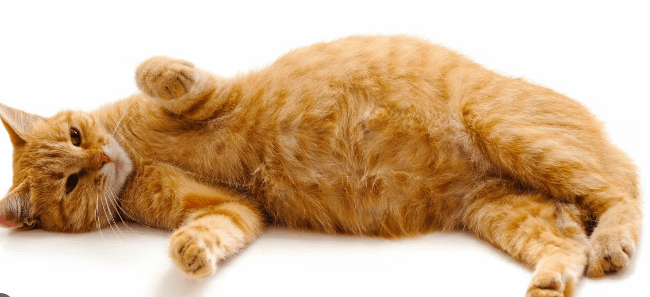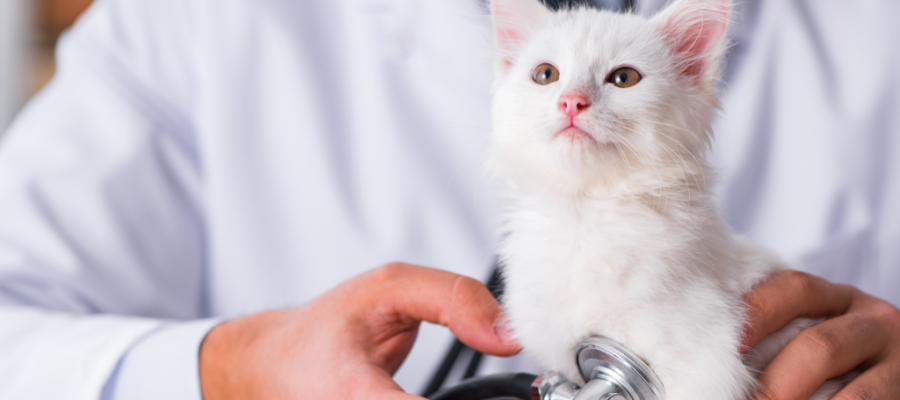
Feline urolithiasis (urolithiasis) is a fairly common urinary tract disease in which stones (uroliths) form in the bladder or urinary tract of cats.
These stones can cause pain, difficulty urinating, and dangerous complications such as urinary tract obstruction, especially in males. In this article we will talk about everything related to feline urolithiasis, from diet to medications.
Types of feline urolithiasis
Several types of uroliths commonly form in the urinary tract of cats:
- Struvite stones. These are the most common stones, consisting of magnesium and ammonium phosphate. They usually form in an alkaline urinary environment.
- Calcium oxalate stones. These stones usually form in an acidic environment of urine.
- Urate stones. These are less common stones that can form due to liver disease or a genetic predisposition in some breeds.
- Cystine and xanthine stones. These are very rare and are associated with metabolic disorders.
Symptoms of feline urolithiasis
Urinary tract stones in cats can cause a variety of symptoms, depending on the size and location of the stones and whether they are blocking the urinary tract:
Leer mas My pet is afraid of fireworks: what should I do?
- Painful and frequent urination. The cat may go to the litter box frequently but pass only small amounts of urine.
- Urinary incontinence. The cat may start urinating in inappropriate places.
- The cat urinates blood (hematuria). Urine may be pink or dark.
- Difficulty urinating. If stones are blocking the urinary tract, the cat may try to urinate but cannot. This is a medical emergency.
- Lethargy and loss of appetite. The cat may feel unwell, eat little or even vomit.
If you notice your cat exhibiting any of these symptoms, it is important to contact your veterinary clinic as soon as possible.
What are the causes of feline urolithiasis?
Urinary stones in cats can have various causes:
- Diet. An inappropriate or unbalanced cat diet (too much magnesium, calcium, phosphates and other minerals) can promote the formation of uroliths.
- Poor water intake. When cats drink too little water, their urine becomes concentrated, encouraging the formation of crystals and uroliths.
- Urine pH imbalance. Excessive acidity or alkalinity of urine contributes to the formation of different types of stones. Urine pH can change due to an unbalanced diet, infections, etc.
- Urinary tract infections. The bacteria can cause inflammation of the bladder (cystitis), which can lead to the formation of uroliths.
- Genetics. Some cat breeds, such as Persians and British Shorthairs, are prone to this disease.
- Obesity and low physical activity. These may also be contributing factors.
In Vilnius you can visit the Begemotas veterinary clinic, where experienced specialists will take care of your pet’s health. Timely treatment will help avoid dangerous complications and ensure the well-being of your cat.
What are the treatment options for feline urolithiasis?
Treatment depends on the type and sze of the stones and the health of the cat:
Leer mas Ear diseases of cats: symptoms and treatment
1. Medicines. Some types of stones, such as struvite stones, can be dissolved with medications and special diets that regulate the pH of the urine. Drugs can help reduce pain and inflammation (eg, nonsteroidal anti-inflammatory drugs).
2. Catheterization. If the urinary tract is blocked, your vet may perform a catheterization to remove excess urine and restore urinary flow.
3. Surgery. When the stones are too large or medications don’t help, surgery (cystotomy) may be needed to remove the stones.
4. Urethrostomy. If a cat suffers from recurrent urinary tract blockages, a urethrostomy may be needed to create a new opening for the urinary tract.
Leer mas The most popular cat breeds in Lithuania
The veterinarian selects a treatment plan for each case, taking into account the individual condition of the cat, the course of the disease and the type of stones.
After determining the cause of the problem and performing the necessary tests, the specialist may prescribe medications, catheterization, or even surgery if the stones are large or cause obstruction of the urinary tract.
Your doctor will also recommend a special diet to help prevent the disease from recurring. In this way, the treatment plan is individually tailored to each cat to ensure the best results and recovery of the animal.
Medicine for cats with kidney stones
Medicines for kidney stones in cats are prescribed only by a veterinarian, who evaluates the animal’s condition and adapts the treatment to the individual situation.
Leer mas Dog allergy: what to do?
Based on the test results and the type of stones found, your veterinarian will select appropriate medications, such as drugs that can help dissolve stones or regulate urine pH.
Because improper use of medications can be harmful, only a veterinary specialist can safely and effectively determine the appropriate treatment plan for your pet.
Various medications can be used to treat urinary tract stones:
- Antibiotics. If there is a bacterial urinary tract infection.
- Nonsteroidal anti-inflammatory drugs (NSAIDs). To reduce pain and suppress inflammation.
- Medicines to dissolve stones. For example, struvite stones can be dissolved by using drugs that alter the pH of the urine (eg, drugs that acidify the urine).
- Muscle relaxants. Sometimes used to reduce bladder spasms.
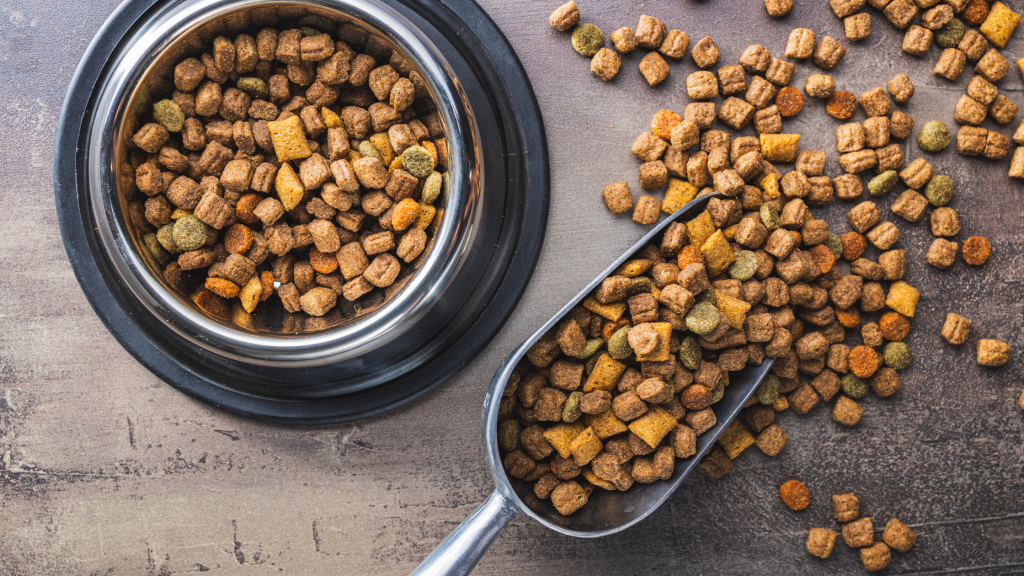
Food for cats with kidney stones. Special feed
In cases of feline urinary tract stones, diet plays a particularly important role both in treating the disease and preventing recurrences.
Some special foods help control urine pH and mineral content and encourage increased water consumption.
- Cat food with struvite stones
- Foods that lower urine pH (acidify the urine), such as Hill’s Prescription Diet c/d. These foods limit the amount of magnesium, phosphate and other minerals that promote the formation of struvite.
- Cat food with calcium oxalate stones
- Foods that keep urine slightly more alkaline and help reduce the formation of calcium oxalate crystals, such as Hill’s Prescription Diet k/d. These foods are low in oxalates and also limit the calcium content.
- Cat food with stones should increase water intake
How to reduce the risk of kidney stones? Prevention methods
To reduce the risk of urinary stones in cats, it is important to ensure:
- Correct nutrition. Use balanced foods with low mineral content.
- High fluid intake. Cats need to drink lots of water, so encourage them to drink using drinking fountains or wet food, for example.
- Regular check-ups with your vet. Especially if your cat is prone to urinary tract problems.
Urinary tract stones in cats are a serious condition that requires proper care and treatment to avoid complications.
When to contact a veterinary clinic?
Urinary tract stones in cats are a complex condition that can only be so carefully diagnosed and properly treated in a veterinary clinic.
A veterinarian will perform necessary tests, such as urinalysis, X-rays, or ultrasound, to determine the type of stones and their location.
Treatment also depends on the decisions of the veterinary specialist: from prescribing drugs to surgery or special diets.
If you notice that your cat has urination problems, we advise you not to delay and make an appointment at the Begemotas veterinary clinic, where specialists will provide all the necessary help for your pet. Early treatment can help prevent serious complications and ensure your cat’s health!
latest posts published

Belgian Malinois: characteristics of the dog breed

Norwegian Buhund: characteristics of the dog breed
Caring for the Chinese Water Dragon

The best brushes for cats

How to choose the best chew toys and treats for your dog

How to train your puppy to walk on a leash

Czech Terrier (Cesky Terrier): characteristics of the dog breed

Pembroke Welsh Corgi: characteristics of the dog breed

The best bags for carrying cats