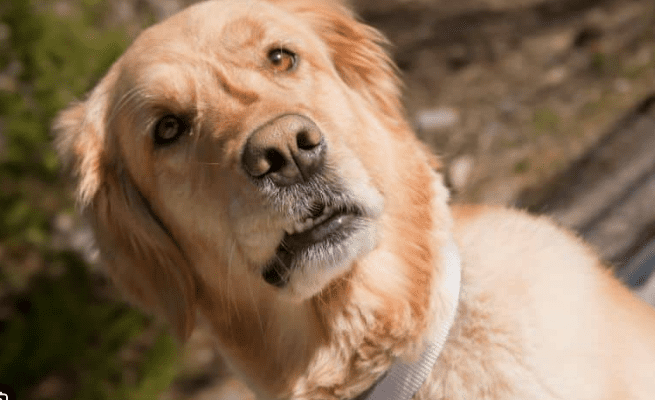
Even if you love your cute dog, when he leans in for a kiss, you recoil in horror from his stench. Has it turned into something dead? Did it end up in the trash again? There are several causes of dog odor, and if you can’t get rid of it with a good bath, a visit to the vet will likely be necessary to diagnose an underlying medical condition. Here are seven reasons why your dog might smell bad.
Dental disease
Did you know that the majority of pets, up to 85%, over the age of three years suffer from some form of dental disease? You would do the same if you didn’t brush your teeth for three years. Within a few hours of eating, plaque begins to build up on your pet’s teeth slowly turning into cement-like tartar. Plaque and tartar are rich in bacteria that cause gingivitis and infections. While a slight odor is normal for pets, bad breath in a puppy indicates a dental infection, a diseased tooth or an oral tumor.
Nephropathy
Pets with kidney disease suffer from an inability to remove waste from the bloodstream, which builds up and can create an ammonia-like odor in the dog’s breath. Some people also say that pets with kidney failure have a metallic odor in their breath.
If your puppy’s kidney function is low, you will also notice increased thirst and urination. As kidney disease progresses and your pet cannot absorb enough fluids to eliminate toxins that build up, your dog may vomit or lose his appetite.
Leer mas Komondor: Characteristics of the dog breed – Animal kingdom
Diabetes
Pets with advanced diabetes may also have a unique breath odor. When your dog doesn’t produce enough insulin or doesn’t use insulin properly, the body won’t be able to use the food it eats to get nutrients. Without proper nutrition, no matter how much you eat, your body will begin to break down for nutrients, generating ketones. When your puppy produces ketones, the breath will have a distinctive odor that some say resembles nail polish remover, while others say the odor is sweet.
See also: The best dog collars
Skin infections

Dogs with wrinkled skin, such as English bulldogs, Shar Peis or pugs, are prone to skin dermatitis. This skin problem occurs due to close contact with the skin, creating a warm, moist environment perfect for the overgrowth of surface microbes such as bacteria and yeast. These organisms produce toxins that cause irritation and inflammation, breaking down the skin barrier and causing infections.
Leer mas Bedlington Terrier: characteristics of the dog breed
Allergies can cause other skin infections. Allergies in dogs manifest themselves with itchy skin, rather than watery eyes and sneezing, as in humans. When your puppy scratches, licks, and nips at his skin, he traumatizes it enough to damage the skin barrier, allowing bacteria to enter through the skin’s pores, causing a smelly infection.
Ear infection
Pet allergies are also a common cause of ear infections. Some dogs may simply be prone to ear infections due to their anatomy, such as dogs with long, droopy ears that trap moisture. Dogs who swim frequently without a proper ear drying routine later risk developing recurring ear infections. Similar to skin infections, the warm, moist environment in the ears is ideal for yeast and bacteria to establish themselves and take over. Your dog’s normal earwax should be odorless, but when you notice a certain odor coming from his ears, or excessive head shaking and scratching, it’s time to visit the vet.
Anal sac disease
Anal sacs are two small glands located on either side of your dog’s rectum that emit a thin, foul-smelling fluid when your pet defecates. Occasionally, pets may suffer from anal sac infections, causing them to excessively lick their rear ends or rub their bottoms on the floor to relieve pressure from full anal sacs. If your pet shows signs of anal sac problems, schedule a visit to the vet for a manual extraction before they rupture and form an abscess, which can also create a foul odor.
flatulence
Some dogs have gas strong enough to clear a room, usually after eating something particularly unpleasant, such as moldy garbage or a rotting carcass. Often these severe cases of flatulence are accompanied by vomiting and diarrhea if the pet has eaten something it shouldn’t. Sometimes your pet’s diet may not agree with their gastrointestinal system and changing foods is fine.
Leer mas Human food: allowed or not for puppies?
If you notice an unpleasant odor coming from your dog and can’t get rid of it with a good bath, there may be an underlying health problem. If in doubt, contact your vet to get to the root of the problem.
Read also: The best food with natural ingredients for dogs
latest posts published

Belgian Malinois: characteristics of the dog breed

Norwegian Buhund: characteristics of the dog breed
Caring for the Chinese Water Dragon

The best brushes for cats
How to choose the best chew toys and treats for your dog
How to train your puppy to walk on a leash

Czech Terrier (Cesky Terrier): characteristics of the dog breed

Pembroke Welsh Corgi: characteristics of the dog breed

The best bags for carrying cats