Dogs’ eyes can be very sensitive. There are many reasons why a dog’s eyes may turn red: some cause inflammation and redness of the skin or conjunctiva around the eye, while others affect the eyeball itself. As always, the best way to find the answer to the question “why does my dog have red eyes?” is to talk to an eye doctor, a veterinary ophthalmologist, because untreated eye irritation can cause long-term damage.
Allergies
As spring and summer arrive, allergy sufferers will begin to experience the familiar sneezing, itchy eyes and congestion. And while allergies can occur any time of year, your four-legged family member may also be more prone to allergies depending on the season.
Modern veterinary medicine has established that hay fever affects dogs and that their bodies mount an immune response to something they have mistakenly identified as harmful, such as pollen in the air. To relieve irritating symptoms of canine allergies, such as red eyes, talk to your veterinarian about the best allergy management plan for your pet.
Environmental irritants
There are many potential irritants both inside and outside our homes that can cause redness in a dog’s eyes. Perfumes, cleaning products, sprays, smoke, and even dust can be culprits if they get into your pet’s eyes. So, if you notice that your dog is suffering from red eyes, it’s worth considering what possible irritants your furry friend may have encountered on his daily adventures.
Leer mas Pet Allergies: What Owners Need to Know
Conjunctivitis
Conjunctivitis is an inflammation of the conjunctiva. Conjunctivitis in dogs can be caused by various types of viral infections, bacteria, fungi, allergens and chemical reagents. Although conjunctivitis itself is not dangerous to your dog’s health, this inflammation can develop into more serious problems related to the eyes and vision.
This condition occurs when the membrane lining the inside of the eyelids, called the conjunctiva, becomes inflamed and can have many underlying causes, ranging from infectious diseases to allergies or injuries.
Depending on the cause of your dog’s conjunctivitis, many treatments are available to relieve symptoms.
The first sign of conjunctivitis is redness in the dog’s eyes. Depending on the cause, conjunctivitis in dogs can affect one or both eyes.
Leer mas Diabetes in dogs: symptoms, treatment and prevention
Eye injuries
Eye trauma is another possible explanation for why one of your dog’s eyes has suddenly become red and swollen. If you have a particularly rowdy puppy, you know how easy it is to get hurt while playing and chasing. If you notice that your pet has been squinting or closing his eyes during play, or if there are visible eye injuries, seek veterinary care immediately, especially if you see blood.
If the blow to the eye was particularly strong, the cornea (th surface of the eye) may be damaged, causing painful ulcers to form in the eye itself.
This, in turn, can turn into a scar that obscures vision and can cause many other vision problems, so it is important to seek professional help from a veterinary ophthalmologist promptly.
Uveitis
Uveitis is an inflammation of the vascular membrane structures of the eye. It affects the iris and some other middle layers of the eye. Uveitis is a very painful eye disease, so you may notice that not only are your dog’s eyes red, but your pet also avoids bright light or keeps the affected eye closed.
Leer mas Tick bite in cats: is it dangerous? What to do
Corneal ulcers
The film that covers the front of the eye is called the cornea, and it can sometimes become scratched, especially if you have a dog who likes to run through tall grass, sniff bushes, or bump into objects while playing. It is very important to notice and treat corneal damage in time, because a scratched cornea is like an «invitation» for bacteria to penetrate it and damage it even more.
Damage to the cornea causes redness in dogs’ eyes and a lot of discomfort for our beloved four-legged family members.
Glaucoma
Could red eyes in dogs be hiding a more serious condition, such as glaucoma? Although it is most commonly diagnosed in older dogs, any dog can be affected. Blurry eyes, redness, and eye discharge are some of the most common symptoms that owners should watch out for.
Glaucoma is characterized by a buildup of fluid in the front of the eye, which increases pressure on the optic nerve and causes vision problems. Therefore, it is very important to consult a veterinary ophthalmologist immediately if you notice changes in your dog’s gaze or redness in the eyes.
Leer mas Animal Therapy: How Dogs and Cats Heal People
Dry eyes
Sometimes a dog’s eyes don’t produce enough moisture to adequately lubricate the surface. When the tear glands dry out, the cornea also dries out. With reduced eye lubrication, a dog’s red eyes will appear to be on fire. The clinical manifestation of dry eyes can be redness of the eyes in dogs.
Cherry eye
Cherry eye is a condition that affects the third eyelid gland in dogs. This disease is called so because when the gland in the third eyelid falls off (protrudes from its normal position), it may appear red and swollen.
Breeds with droopy lower eyelids are more prone to this type of disorder. Unfortunately, a prolapsed third eyelid and its glands must be treated surgically by a veterinary ophthalmologist.
Foreign body in the eye
Red eyes in dogs can signal the presence of a foreign object in the eye that has fallen from the environment. This can be quite common in dogs eager for adventure. If your dog likes to walk through bushes and tall grass, something could get into his eyes, causing redness and swelling.
Foreign bodies that enter your dog’s eyes can be as small as a grass seed or as large as a piece of twig. While it’s impossible to reduce the risk to zero, try to avoid tall grass and be sure to check your pet from head to toe after a walk to spot any problems early.
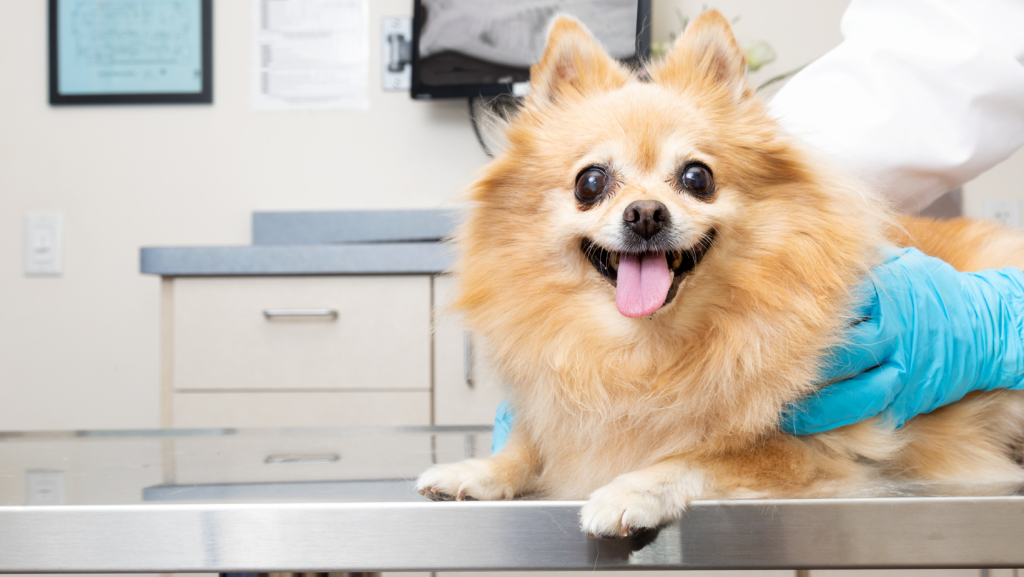
Where to go if your dog has eye problems?
Specialists working at the Begemotas Veterinary Clinic and modern, innovative equipment allow us to determine the causes of red eyes as quickly as possible, and once an accurate diagnosis is made, the veterinary ophthalmologist can prescribe the most appropriate treatment method.
The Begemotas Veterinary Medical Center is a place where not only the health of each four-legged patient is taken care of, but also the emotional state of the patient and his owner. Located in the central part of Vilnius, in Paupys, the veterinary clinic offers a wide range of services and for the specialists working in the clinic veterinary medicine is a vocation. If you suspect your pet is unwell, contact us today.
latest posts published

Belgian Malinois: characteristics of the dog breed

Norwegian Buhund: characteristics of the dog breed
Caring for the Chinese Water Dragon

The best brushes for cats

How to choose the best chew toys and treats for your dog

How to train your puppy to walk on a leash

Czech Terrier (Cesky Terrier): characteristics of the dog breed

Pembroke Welsh Corgi: characteristics of the dog breed

The best bags for carrying cats