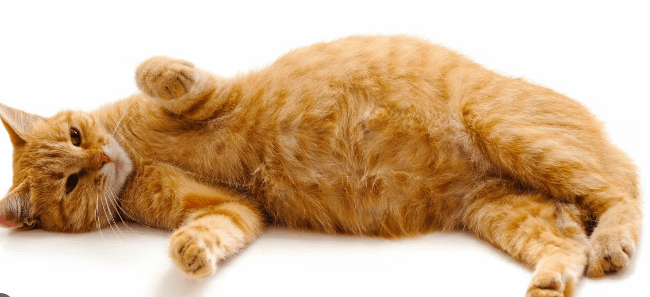
Cat diseases and their symptoms are a topic that every loving pet owner should be interested in. Cats, while appearing strong and independent, tend to hide pain or discomfort. Therefore, it is extremely important to notice the first signs in time.
Cat diseases and their symptoms can manifest themselves in a variety of ways, from behavioral changes (e.g. aggression) to physical signs such as loss of appetite, lethargy or deterioration of the coat. By understanding the most common cat diseases and their symptoms, we can prevent more serious problems and ensure the well-being of our pet.
Diseases diagnosed early are treated faster and easier, so delay can be costly. Cat diseases cannot be cured independently, since improperly selected drugs or doses can further harm the cat’s health.
The most common diseases in cats and their symptoms
Cats can suffer from various diseases that affect different body systems: eyes, skin, teeth, ears, kidneys or digestive tract. Next, let’s look at the most common diseases of cats and their symptoms.
Leer mas Dog breathing and dyspnea | Hippopotamus
Eye diseases
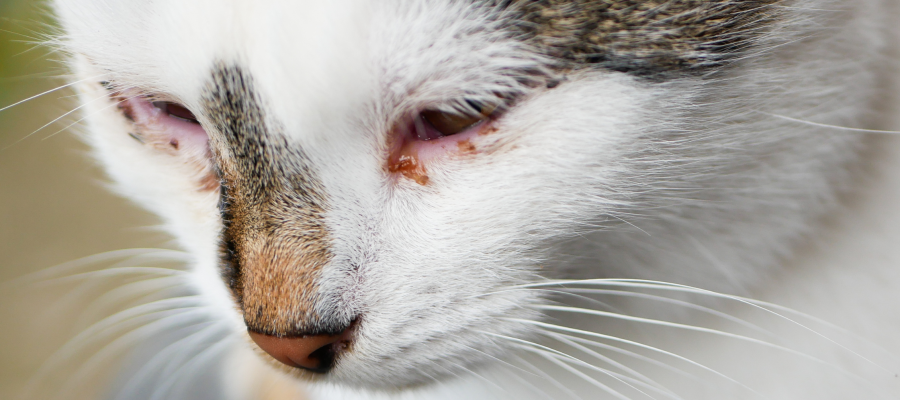
Eye diseases in cats often manifest themselves with watery, red and watery eyes, itching or sensitivity to light. The reasons can be different: viral or bacterial infections, allergies, injuries or foreign bodies in the eye. Untreated eye diseases can lead to vision loss.
Skin diseases
Skin problems are one of the most common problems faced by cats. Itching, hair loss, sores, flaking or redness are clear signs that something is wrong.
The causes of cat skin diseases can also be very different: fur parasites – fleas or ticks, fungal and bacterial infections or allergies to food and the environment. Timely treatment helps to quickly restore skin health and reduce discomfort.
Diseases of the teeth and mouth
Bad breath, plaque, bleeding gums or difficulty ching are all signs of oral disease in cats. Gingivitis or periodontitis is often diagnosed in cats’ teeth. Without treatment, these conditions cause pain and loss of appetite.
Leer mas Cat eye diseases: what to do?
Regular cleaning of cats’ teeth, oral hygiene and examination by a veterinary dentist are necessary and recommended even for healthy-looking cats.
Intestinal diseases
Digestive disorders are common in cats. Diarrhoea, vomiting, weight loss or bloating are the main symptoms. The causes can be various: parasites, unsuitable or spoiled food, intoxication or stress. Persistent digestive problems require a thorough examination by a veterinarian, as they could signal more serious illnesses in cats and kittens.
Kidney disease in cats
Feline kidney disease is a common problem in older cats. Symptoms: frequent urination, thirst, bad breath, weight loss. Kidney failure progresses slowly, so early diagnosis is vital. Treatment helps slow the progression of the disease and improve quality of life.
Ear diseases
Cat ear diseases are manifested by constant scratching of the ears, shaking of the head, dark discharge or unpleasant odors. The most common causes are ear mites, fungal infections or bacteria. Untreated diseases can damage hearing or cause severe pain and neurological complications.
Leer mas Dog eye diseases. Why do dogs’ eyes water?

Feline viral diseases
Viral illnesses and symptoms in cats can be similar to the common cold in humans: sneezing, coughing, discharge from the nose or eyes, fever. Parainfluenza or feline coryza is often contagious, therefore vaccination is recommended. It is important to prevent a healthy cat from coming into contact with sick animals.
Feline diabetes
Feline diabetes is characterized by increased thirst, urination, unexplained weight loss or growth, and lethargy. It is a chronic disease in which the body does not produce enough insulin or does not use it correctly. Treatment includes a special diet and insulin therapy.
The most common diseases of neutered cats
Spaying and neutering cats helps prevent many feline diseases, especially those related to the reproductive system. Although neutered cats can still contract some diseases, the risk is much lower.
Spayed cats and neutered cats can suffer from:
Leer mas Dog’s normal temperature and how to measure it
- Urinary tract infections;
- Obesity.
To avoid this, it is important to ensure a balanced diet, sufficient exercise and regular preventive veterinary checks.
Unsterilized cats and kittens
Unneutered cats and kittens are at a much higher risk of feline diseases and injuries:
- in older age. There is also a risk of complications during pregnancy and birth, and infected females can transmit infectious diseases to their young.
- Unneutered males (cats) are more often injured in fights with other cats – the most common consequence is bite abscesses. During fights, they can spread dangerous viruses: feline immunodeficiency virus (FIV) and feline leukemia virus (FeLV), transmitted by direct contact.
When to go to the vet?
If you notice that your cat:
- Does not eat or drink for more than 12 hours;
- Vomiting and/or diarrhea;
- Difficulty breathing or coughing;
- He’s apathetic, hiding, limping or behaving strangely: don’t delay!
Cat diseases and their symptoms can be very diverse, and some can go completely unnoticed for a long time. Therefore If you notice any unusual signs or changes in behavior, it is best to contact your vet immediately. At the Begemoto Veterinary Clinic, urgent care is provided without queues, so your cat will always receive the necessary care in a timely manner.
Even if your cat appears healthy and happy, regular health checks are the best way to ensure that silent changes aren’t occurring in her body that could turn into serious illness. If the disease is diagnosed early, it can be treated more quickly and your pet can regain strength and well-being more quickly.
latest posts published

Belgian Malinois: characteristics of the dog breed

Norwegian Buhund: characteristics of the dog breed
Caring for the Chinese Water Dragon

The best brushes for cats

How to choose the best chew toys and treats for your dog

How to train your puppy to walk on a leash

Czech Terrier (Cesky Terrier): characteristics of the dog breed

Pembroke Welsh Corgi: characteristics of the dog breed

The best bags for carrying cats