

Dog skin diseases are a variety of conditions that affect the skin of dogs and can cause discomfort and health problems. While some dog skin conditions may be mild and easily treatable, others may be more serious and require constant care.
Skin diseases in dogs can be caused by many reasons, including allergies, infections, parasites, or even genetic factors.
The most common skin diseases in dogs
Canine dermatitis
A frequently diagnosed and widespread dog skin disease is inflammation of the dog’s skin: dermatitis, which can be caused by bacteria, fungi or even autoimmune diseases. Dog skin fungi or inflammation caused by bacteria must be treated as precisely and urgently as possible.
This skin condition often manifests itself with itching, redness of the skin, peeling, and even infections. Allergies can be related to food, air pollution, plant pollen.
Leer mas active and loyal family dog
Canine seborrheic dermatitis
Another common skin condition in dogs is seborrheic dermatitis, characterized by flaking, greasiness and blistering of the skin. This condition can be caused by a variety of factors, including genetics, hormonal imbalances, or bacterial infections.
Canine skin fungus
Canine ringworm is a common skin infection caused by a variety of fungal organisms, most commonly dermatophytes Microspore AND Trichophyton species. This condition is often referred to as a «fungal infection» or «fungal skin disease» and can occur in dogs of any age, size, and breed. Canine ringworm is highly contagious and can spread through direct contact with an infected animal or contaminated objects such as combs, bedding or toys.
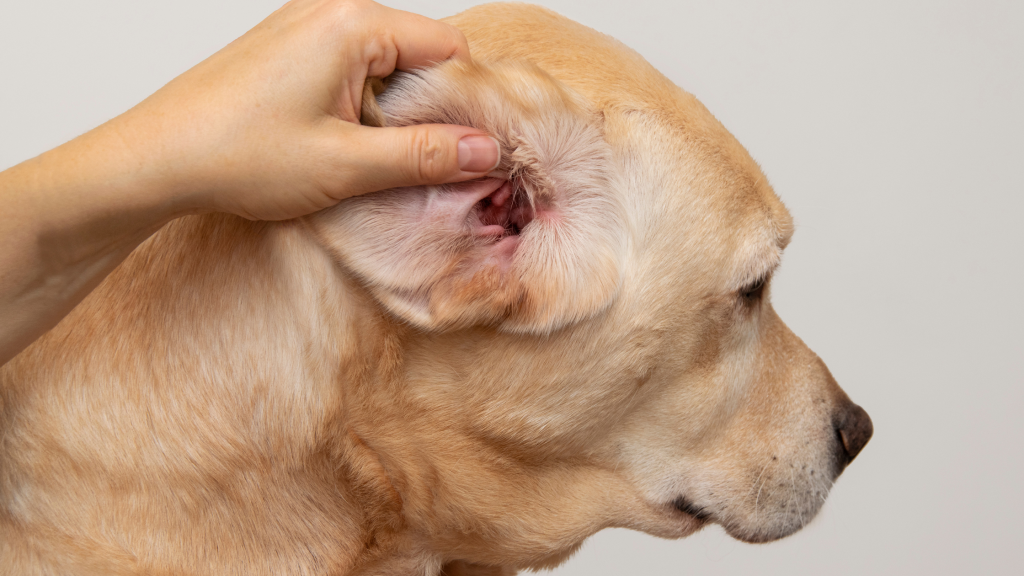
The main symptoms of ringworm in dogs are red, itchy, fking skin and hair loss, usually around the «armpits», ears, muzzle, paws and tail. Skin lesions are often round in shape. Dogs may frequently lick or scratch the infected area, which can make the situation worse and lead to secondary infections, so it is very important to see your vet as soon as possible.
Delayed or inadequately treated skin fungus or dermatitis of bacterial origin can be complicated by secondary infections of the deep layers of the skin and internal organs. Dog skin fungus – can be dangerous not only for other animals living in the house, but also for the owners themselves.
Leer mas Euthanasia of a dog – Begemotas
How to diagnose skin fungus in dogs?
Canine skin fungus can only be diagnosed by veterinarians by performing skin tests under a special lamp and looking at skin and fur samples under a microscope. Treatment usually includes antifungal medications such as shampoos or creams, and in more severe cases, oral medications may be prescribed.
It is also important to keep the dog’s environment clean, wash his things regularly and, if possible, avoid contact with infected and healthy animals to prevent the spread of the infection. Although recovery may take several weeks, proper care and treatment help ensure a successful recovery.
Parasitic skin diseases in dogs
Parasitic skin diseases in dogs, the cause of which are invasions of fleas or ticks, can cause various problems not only to the skin, but also to other functions of the internal organs of dogs. Dog fleas and ticks can cause itching, redness and allergic reactions, while demodectic mange can cause hair loss and skin lesions.
Demodectic mange is a disease caused by small parasites that live in the hair follicles and sebaceous glands of dogs. Skin diseases in dogs caused by fleas often cause secondary skin inflammation in the deeper layers of the skin. Parasitic skin diseases in dogs can only be diagnosed and treated by a veterinarian.
Leer mas Belgian Malinois: characteristics of the dog breed
Dogs can suffer not only from various bacterial or fungal infections, but also from skin tumors or autoimmune diseases that can affect the skin.
It is important to understand that each skin condition in dogs may require different treatment. However, regardless of the nature of the disease, it is important to promptly consult a veterinarian-dermatologist. If you notice any skin changes such as itching, redness, scaling or skin lesions – sores – it is best to contact a veterinary clinic immediately.
What can happen if I don’t take treatment for dog skin diseases?
Unreasonable or incorrect treatment of dog skin diseases can have serious consequences for your pet’s health.
For example, despite atopic dermatitis, persistent itching and skin damage can lead to secondary infections and long-term skin damage.
Leer mas Caring for the Chinese Water Dragon
Additionally, an untreated or inadequately treated bacterial infection can spread to deeper tissues and cause serious health problems. Untreated skin diseases in dogs can lead to constant discomfort for your pet and reduce their quality of life.
Additionally, some skin diseases in dogs can cause long-term:
- hair loss
- scars on the skin
- hair loss and skin sensitivity;
- cracked skin, bleeding, pain;
- aesthetic problems of the dog’s skin and coat.
Therefore, treatment is necessary not only for the dog’s health, but also for its quality of life and general well-being.
Why do black spots appear on my dog’s skin?
One of the most common reasons why dogs have black spots on their skin is increased melanin in certain areas of the skin. It may be a hereditary characteristic or simply a natural pigmentation of the dog’s skin. These spots can be the result of an increased concentration of the pigment – melanin in the skin, or they can appear for other reasons – age, genetics or even the sun.
Some dog breeds, such as retrievers, cocker spaniels or Labradors, may be prone to increased melanin levels and therefore have more black or brown spots on their skin.
Another reason that can cause black spots on your dog’s skin is exposure to the sun. Just like humans, dogs can develop pigmented spots due to the sun or other external factors. Some dogs may be sensitive to sunlight and therefore may have increased pigmentation in some areas of their skin. Therefore, if you notice that the black spots on the dog’s skin change in size, shape or color, or if you notice other unusual changes on the skin – itching, licking of the affected skin, it is important to immediately consult a veterinarian – a dermatologist who will determine the causes of pigmentary spots, provide an accurate diagnosis and prescribe the best treatment plan.
Why does dog hair fall out?
A dog’s coat sheds for a variety of reasons, ranging from simple health conditions to serious illnesses. One of the most common causes is dog allergy, which can be caused by food, environmental factors or even parasites such as fleas.
- When a dog’s coat turns grey, it can also be a sign of a hormonal imbalance, such as thyroid or adrenal disease.
- Another common cause is skin infections, including bacterial, fungal, or parasitic infections, which can cause hair loss in certain areas of the body.
- Stress or a dog’s poor diet can also affect the condition of the coat. If you notice that your dog’s coat is shedding, it is important to consult your veterinarian to determine the exact cause and begin the appropriate treatment. With proper care, your dog’s coat can become thick and healthy again.
Where to go for skin diseases in dogs?
It is important to remember that each dog’s skin condition may require different treatment, so it is important to consult a veterinary dermatologist to get the diagnosis and treatment plan appropriate for your pet’s needs.
Proper hygiene, nutrition and regular health checks can help prevent many dog skin diseases and ensure your dog’s health and well-being.
Vets in Behemoth knows how important it is to have a vet, thanks to whom owners can feel comfortable with their four-legged family member. The mission of the veterinary clinic is to provide treatment services of the highest quality, ensure professional service and every kind of comfort for domestic patients.
latest posts published

Belgian Malinois: characteristics of the dog breed

Norwegian Buhund: characteristics of the dog breed

Caring for the Chinese Water Dragon

The best brushes for cats

How to choose the best chew toys and treats for your dog

How to train your puppy to walk on a leash

Czech Terrier (Cesky Terrier): characteristics of the dog breed

Pembroke Welsh Corgi: characteristics of the dog breed

The best bags for carrying cats
