
Symptoms, treatment and prevention
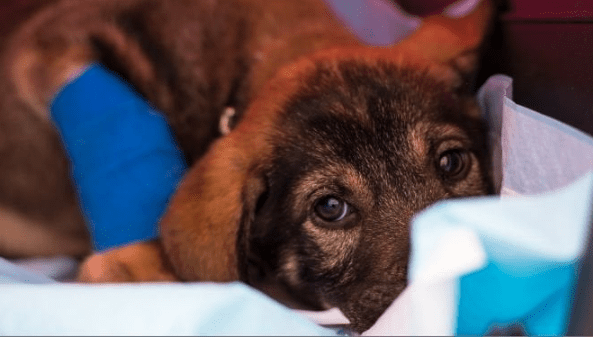
Canine parvovirus (also called CPV or parvo) is a highly contagious and potentially fatal viral disease found in dogs. Most commonly, Parvovirus causes severe inflammation of the gastrointestinal tract that leads to destruction of the intestinal villi. It also affects bone marrow cells and the heart.
Canine parvovirus is contagious and can survive for several months (some experts say up to two years) in the environment and is resistant to many disinfectants. To protect dogs, especially puppies, vaccination on the appropriate schedule is necessary.
Parvovirus infection in dogs
Parvo is a common and potentially serious viral disease in dogs. The virus is officially known as Parvovirus. Canine parvovirus is believed to be a mutation of feline parvovirus, also known as feline panleukopenia virus.
The canine version of this disease is commonly called Parvo. The virus first appeared clinically in 1978, and there has been a widespread epidemic in dogs of all ages.
Leer mas How to stop your cat from gnawing on electrical cords
Breeds such as Rottweilers, Dobermans, German Shepherds, Pitbulls and Labrador Retrievers are at increased risk for this disease. But any breed can be infected by Parvovirus. Be sure to keep your dog’s vaccinations up to date.
Signs and symptoms of parvovirus (Parvo) infection.

Parvovirus infection is a serious disease that primarily affects the gastrointestinal system and bone marrow of dogs. This virus can also affect the heart. Parvo is a highly contagious and often sudden viral disease; chickens are particularly sensitive to it. This virus can trigger different patterns of symptoms:
Asymptomatic: No symptoms appear. This is common in dogs older than one year and in vaccinated dogs.
Leer mas Australian Shepherd (Aussie): characteristics of the dog breed
Intestinal: You may notice behavioral changes in your dog, such as loss of appetite, vomiting, diarrhea and lethargy. This virus can cause external damage to the intestinal tract, leaving the dog susceptible to secondary bacterial infections.
In severe cases, septicemia, shock and death may occur. Parvo is often seen in dogs too young to have received the full set of vaccinations.
Cardiac: Very young puppies (less than eight weeks old) can have severe inflammation of the heart muscle, which can lead to breathing difficulties and death. This does not occur as often as intestinal symptoms.
Parvovirus transmission
Parvovirus is most commonly spread through feces, infected soil, saliva, vomit, and contaminated objects (shoes, hands, or other objects contaminated with the virus). An infected dog will excrete large amounts in the feces for two to three weeks after infection. It is highly contagious and unvaccinated dogs become infected easily.
Leer mas What you need to know before choosing a bird as a pet
An infected dog can shed the virus for three weeks or more after being infected. During this period it is necessary to keep the dog at home to avoid infecting other dogs.
Due to the risk of Parvo, it is recommended that puppies not be taken to public places until they have reached 17 weeks of age when fully vaccinated.
Environmental disinfection against Parvovirus
One of the most common questions and concerns about Parvovirus is how long it lasts and how to disinfect the environment. This is especially important if a new puppy will be brought into a potentially contaminated area.
Parvovirus can survive for months in the environment, especially if conditions are cold and damp. Most disinfectants do not kill parvovirus, which is why chlorine cleaning is considered the most effective way for homeowners to kill parvovirus in the environment.
Leer mas The best canned products for cats
Prevention of canine parvovirus
Vaccination is the key to preventing this disease and protecting your dog. Breeding puppies should be vaccinated before becoming pregnant to ensure the puppies have the best start to immunity. Vaccinations should begin at six weeks of age, with repeats at 9, 12, and 16 weeks of age.
Some vets also offer another vaccine at the 20th week, depending on the breed and the risk of Parvovirus in the area where you live. Talk to your veterinarian about the best vaccination protocol for your pet and your lifestyle.
Treatment and prognosis
Once a dog is infected with Parvovirus, the only treatment is to take care of the symptoms. Oral or intravenous fluids may be needed to make up for losses due to vomiting and diarrhea. Anti-vomiting/nausea medications may help. Antibiotics are given to try to prevent infections caused by the loss of the intestinal lining. Many times puppies need to be hospitalized.
Read also: The best pet hair removal products
latest posts published

Belgian Malinois: characteristics of the dog breed

Norwegian Buhund: characteristics of the dog breed

Caring for the Chinese Water Dragon

The best brushes for cats

How to choose the best chew toys and treats for your dog

How to train your puppy to walk on a leash

Czech Terrier (Cesky Terrier): characteristics of the dog breed

Pembroke Welsh Corgi: characteristics of the dog breed

The best bags for carrying cats
